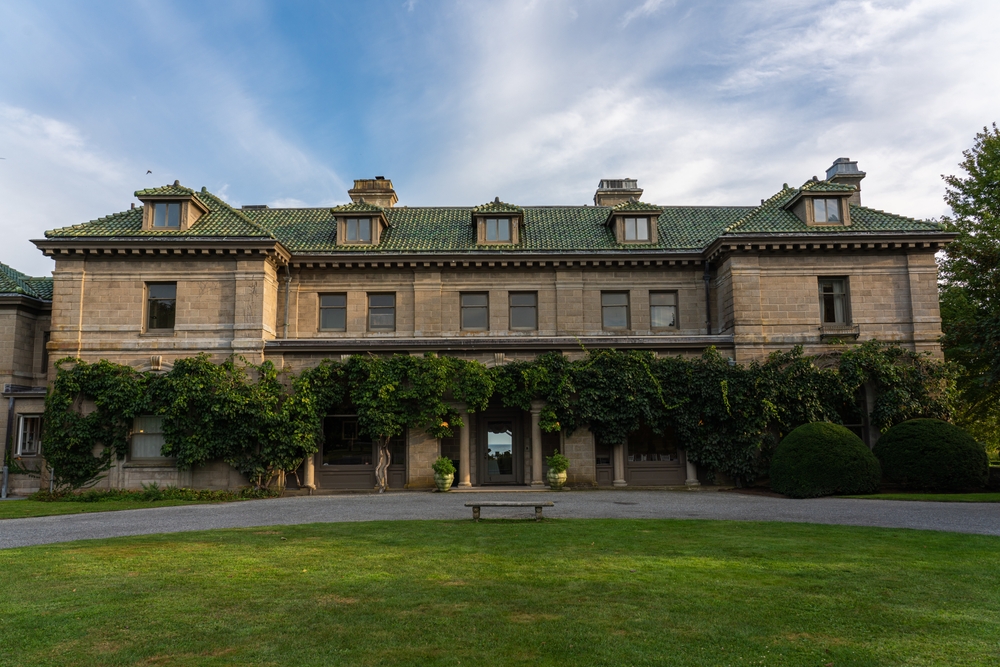
The biggest real estate deals follow a different set or rules – from pricing without comps to the privacy demands that shape the process.
By Chris Caggiano
How do you sell a property when there’s no precedent to base the sale on? When tennis legend Ivan Lendl’s more than 400-acre Cornwall, Connecticut estate came to market, nothing in Litchfield County had ever sold above $9 million – and the county’s previous record, a $10 million sale, had only been set a couple of years earlier. The Lendl estate would ultimately sell for $12 million, becoming the highest recorded transaction in the county’s history. But getting there meant operating without the one tool that governs most residential sales: comparable sales.
“Pricing is everything, even at that end of the market,” said Bill Melnick, a broker with Elyse Harney Real Estate who handled the sale alongside Elyse Harney Morris. A trophy property can have a great deal of value, he said, but that doesn’t mean buyers will pay any amount for it – with the rare exception of the occasional buyer who genuinely doesn’t care about price. For nearly everyone else, even at the top of the market, pricing discipline still applies. It’s simply harder to apply when there’s nothing nearby to measure against.
What Melnick’s recent work illustrates is that high-end properties in Litchfield County – and in the neighboring stretches of New York and Massachusetts where he also holds a license – aren’t simply expensive versions of an ordinary listing. They require a different approach to everything that a property sale includes: pricing, marketing, networking, even how a deal originates in the first place.
Defining the Category
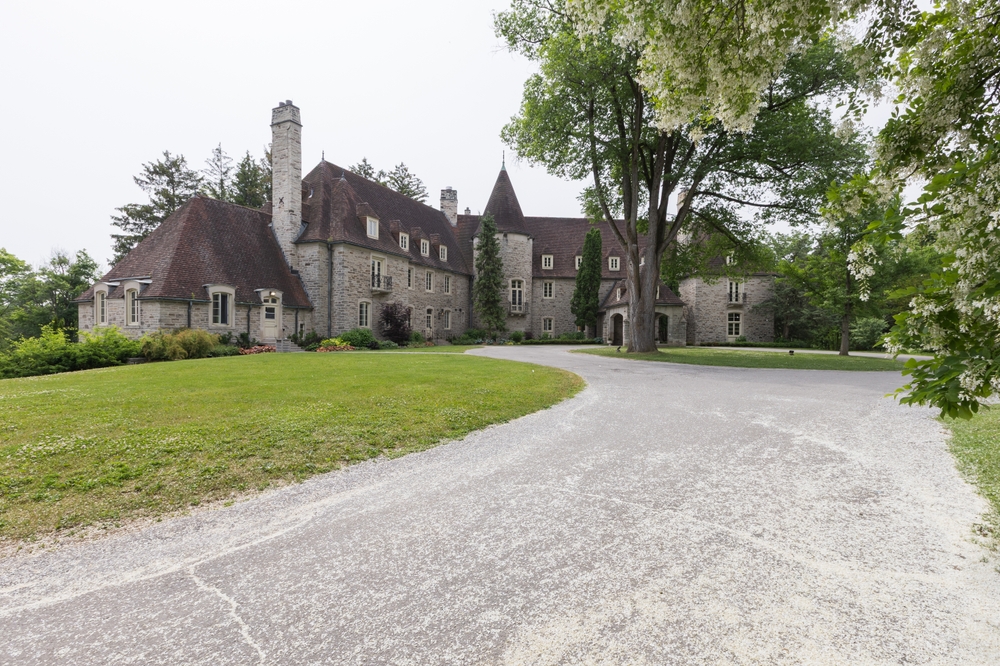
A trophy property in this market has a fairly specific shape, according to Melnick: a significant house, a guest house, a pool, meaningful acreage, and – increasingly non-negotiable – a view, ideally facing west. Some prospective buyers won’t tour a property at all if it lacks a westward vista toward the sunset. It’s a detail that can’t be retrofitted; a house’s orientation is fixed at construction, which narrows the pool of properties that qualify regardless of price.
That fixed quality shows up elsewhere in buyer expectations, too. Many buyers at this level picture an antique farmhouse set well back from the road. But authentic 18th- and 19th-century houses were built close to the road by necessity, since that was the transportation standard of the era. A genuinely antique, deeply private farmhouse is largely a contradiction – so buyers looking for both often have to accept landscaping as a mitigation rather than true distance.
A Different Marketing Radius
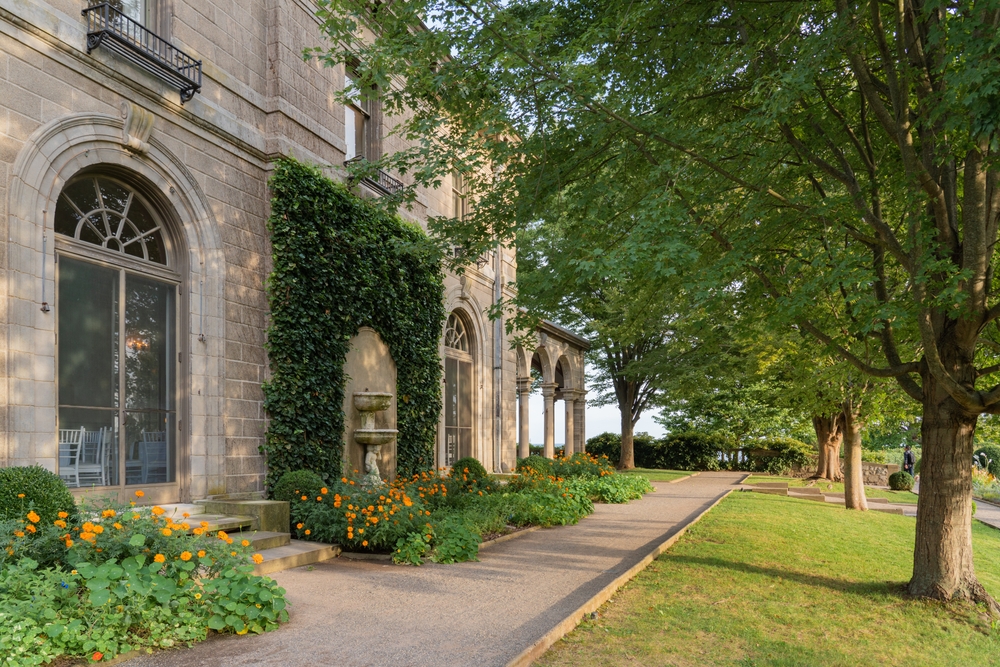
For a median-priced property, marketing tends to stay local. Trophy properties expand that radius substantially. In the Lendl sale, Melnick’s team pursued a multi-market strategy that included placement with the Wall Street Journal and the New York Times, part of a broader push for national and international visibility rather than a single-county audience.
Press interest in the Lendl estate came from two directions at once: the Lendl name itself, and the reputation of the estate’s architect, Allan Greenberg, known for his New Classical-style work, who has a following of his own. That created an unusual filtering problem. Some inquiries came from people drawn to the fame of the owner or the cachet of the designer, rather than genuine interest in buying the house.
Beyond press, trophy-level marketing relies on relationships that extend past a single county. These might be fellow brokers in New York City or other high-end markets around the world, agents who may have buyers already in mind. Presentation matters more at this level than at any other – professional photography, drone footage, and a deluxe digital brochure are central to how a listing is positioned. And the audience it needs to reach is considerably more far flung.
Privacy Required
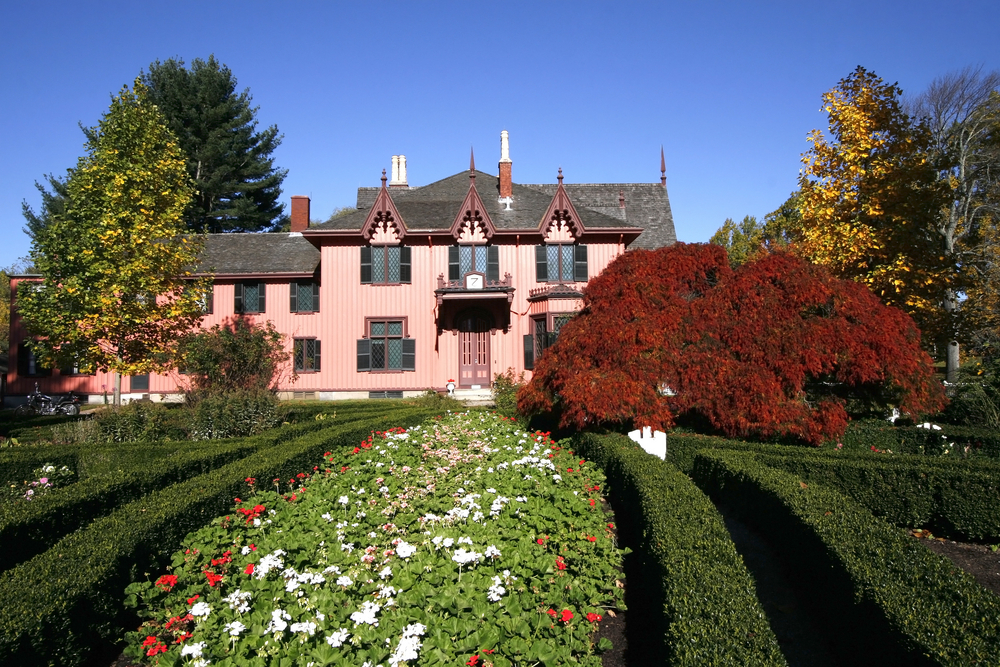
Discretion shapes trophy-level transactions in ways that go beyond a general desire for quiet. Non-disclosure agreements appear on both sides of the table more frequently at this level, according to Melnick, sometimes to the point that a broker never learns the identity of the person they’re representing.
That kind of anonymity often extends beyond paperwork and into how the purchase itself is structured. Buyers seeking to keep their name out of the transaction frequently form an LLC or trust before an offer is even written, since the deed becomes public record, typically indexed by county systems and real estate sites within a few days of closing. Of the two structures, a blind trust is generally considered the stronger option, since a trustee’s name stands in for the buyer’s and the underlying beneficiary is never filed publicly, while an LLC’s paperwork can sometimes be traced back to an individual through state records.
Even with those structures in place, agents who work this end of the market caution that they aren’t foolproof. NDAs are typically extended to everyone who touches the deal – agents, inspectors, appraisers, assistants – since a single careless comment can be enough to leak a transaction.
An Off-Market Track
High-end sales often skip the conventional listing process entirely, closing privately rather than through the MLS. At this level, deals frequently move through personal networks rather than public listings, with buyers and sellers connected directly by brokers who already know who’s looking and who might be willing to sell. Melnick pointed to a recent example of this kind of off-market deal: a 40-acre property on Calkinstown Road, built around 2020 by local designer Rob Fish and bordering conservation land, that sold without ever being publicly listed.
Off-market deals in this market tend to start one of two ways. A prospective buyer with specific criteria approaches Melnick directly, and he in turn approaches an owner who hasn’t listed; or a seller who isn’t fully committed to selling indicates a price at which they’d consider an offer, without ever putting the property on the market. For sellers, the appeal is price certainty without negotiation; for buyers, it removes the risk of a competitive bidding situation on a property they specifically want.
Local Institutions Drive Demand
Every luxury market has its own local anchor – a specific feature or institution that draws buyers who might otherwise never have considered the area. In ski country, it can be proximity to the mountain; in parts of Kentucky or Florida, it can be horse racing; in a college town, it can be the university itself. In Litchfield County, alongside the familiar pattern of New York City weekenders, Melnick identified a second, less visible driver of demand: secondary boarding schools.
Litchfield County and its surrounding towns are home to several highly regarded schools, including Hotchkiss, Salisbury School, Kent School, Berkshire School, and Indian Mountain School. The last of these is a private grade school that has become a significant feeder into the secondary schools above it.
Some families relocate to the area specifically to be closer to children enrolled at these schools, sometimes for the full run from grade school through graduation, sometimes buying sight unseen from as far away as London. It’s a pattern Melnick describes as somewhat counterintuitive: parents send children to boarding school in part for independence, yet often end up relocating nearby regardless, staying involved through parents’ weekends, sporting events, and alumni gatherings.
A Different Bird Entirely
What all of this adds up to is a market that doesn’t just command higher prices than an ordinary listing – it operates by a different set of rules altogether. Pricing works without the comps that anchor a typical sale. Marketing stretches from local MLS listings to a national press strategy built for an audience that might be reading in London as easily as New York. Discretion isn’t a preference but a structural requirement, built into NDAs, entity purchases, and sometimes the driveway itself. And the deal often never touches a public listing at all, moving instead through the personal networks brokers spend decades building.
Underneath all of it is the same throughline: at the top of the market, a house is rarely just a house. It’s a school district, a ski hill, a stretch of coastline, or – as with the Lendl estate – a piece of architecture with its own reputation. Selling it means communicating all of that to a buyer who may be as interested in what surrounds the property as in the property itself.
About the Expert: Bill Melnick is a broker with Elyse Harney Real Estate, serving Litchfield County, Connecticut, along with the neighboring Hudson Valley in New York and southern Berkshires in Massachusetts.
This article is intended for informational purposes only and does not constitute legal, financial, or investment advice. The views and opinions expressed herein reflect those of the individuals quoted and do not represent an endorsement of any company, product, or service mentioned. Readers should conduct their own due diligence and consult qualified professionals before making any investment decisions.