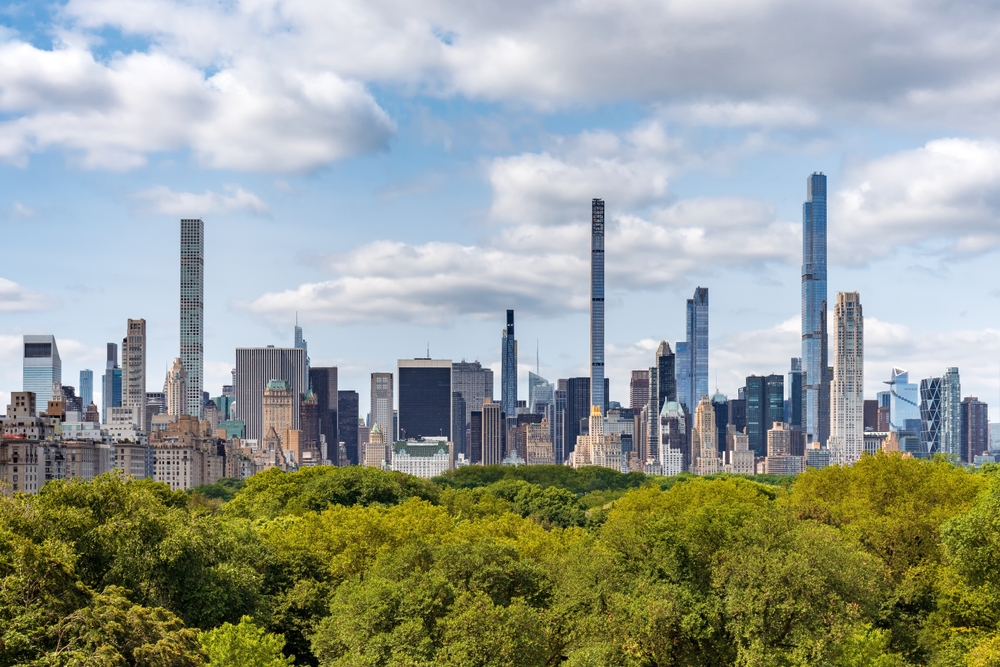
Behind the record-breaking sales and headline-grabbing prices, the data reveals a more complicated story about who has the power in Manhattan’s luxury market, where prices are headed after a decade-long plateau, and how the New York suburbs fit into the picture.
By Chris Caggiano
New York City is home to some of the most valuable real estate in the world. But media coverage tends to focus on the extremes. We’ve all seen the headlines: the penthouse on Billionaires’ Row that sells for well over $100 million. The Gilded Age mansion that changes hands at eye-watering prices. Those numbers make for a good story, but they don’t capture what is actually happening in the market that supports them.
For a clearer picture, let’s take a look at the numbers. Jared Antin, Executive Director at Brown Harris Stevens, works closely with the company’s internal market data, and breaks down what the data actually shows – and how the high-profile mega-sales fit into the bigger picture.
“They’re attention-grabbing, and they’re sexy as hell,” Antin says of the record-setting sales that dominate coverage of the city’s luxury market. “But they are definitely outliers from the meat of the market.”
Positioning Beats Timing
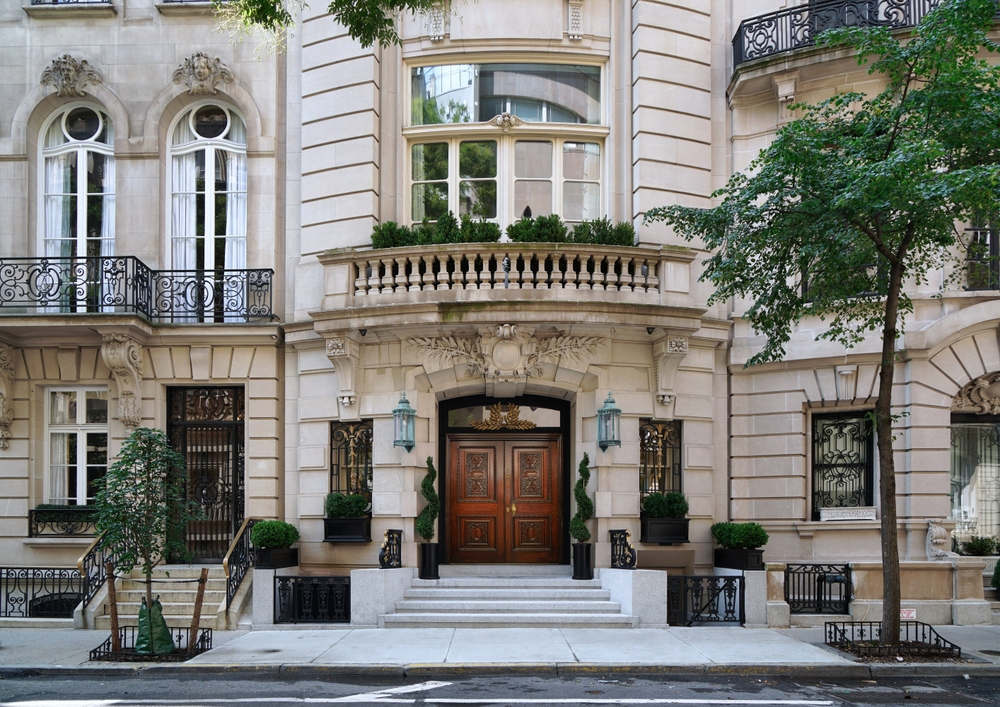
New York buyers at the top of the market are not shopping under pressure. With no fear that prices or rates are about to run away from them, and more listing and pricing data available than ever, they are free to be exceptionally selective, filtering out anything that doesn’t meet their criteria.
As a result, whether a property sells quickly or sits for months has less to do with the market than with the property itself. Two listings at the same price, in the same neighborhood, can have completely different outcomes, and the difference isn’t timing, or luck, or even the broader direction of the market. It’s positioning.
That selectivity plays out in real time. A well-priced, move-in-ready apartment above $4 million in Manhattan can go under contract in under a month, often at or above asking price – because it clears the bar that buyers have already set for themselves. A property that misses on layout, condition, or price doesn’t just sell more slowly; it can sit for months with little buyer interest at all. According to Antin, both scenarios are happening in the same market, at the same time, at the same price points.

The 30,000 Foot View
Zoom out to the citywide numbers, and the same dynamic exists, although it may be easy to miss. According to Antin, Manhattan posted its second-highest number of signed contracts in at least a decade this past June, trailing only 2021. Year to date, contract volume is running 2 percent ahead of last year, even as new listings have fallen 9 percent. If you only look at those data points, it might look like the market is accelerating uniformly. Antin reads it differently.
“If you take the average, it looks like a fairly balanced market, and it seems that neither buyers nor sellers really have the power,” he says. But that average is hiding two different markets. Turnkey, well-proportioned, correctly priced properties are moving in under 30 days, often at or above asking price – a seller’s market, in effect. Everything else is a buyer’s market by comparison: sellers are still holding the line on price, but with far less leverage to do so. “Everything else is basically sitting there and languishing,” Antin says.
That divide is sharpest at the upper end of the market, where buyers have both the means and the information to be selective. Listing portals and pricing data are more accessible than ever, and buyers at the $10-million-and-up level – the threshold Antin uses to define ultra-luxury in Manhattan – are quick to filter out anything that does not meet their criteria.
Seller Resistance
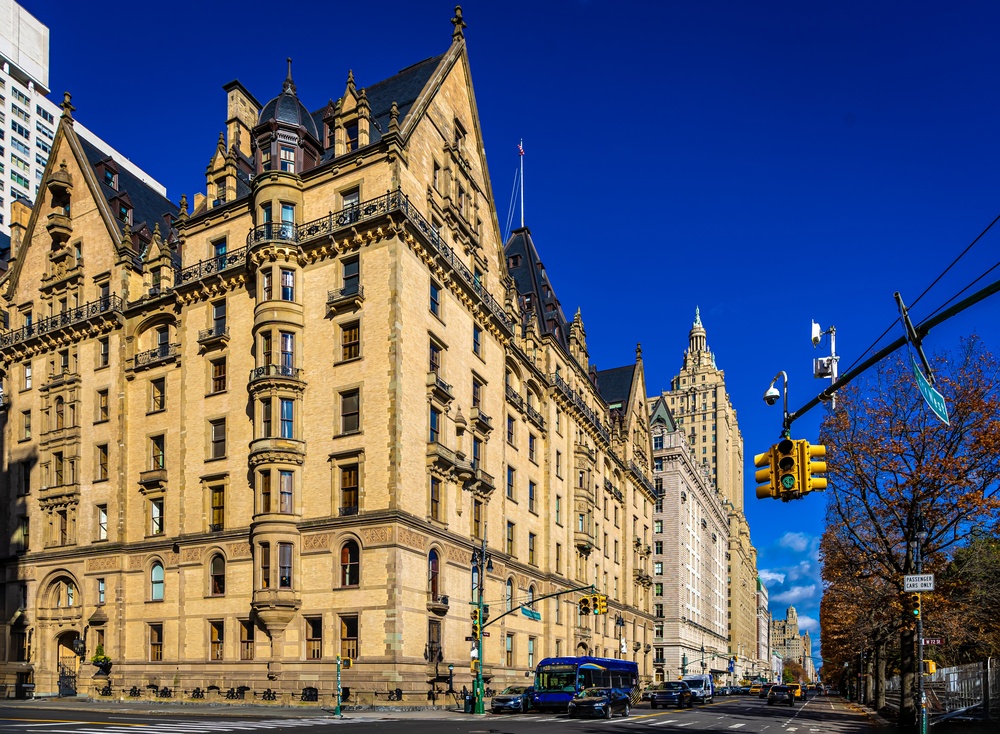
Sellers, in turn, are not under pressure to negotiate. Much of that, in Antin’s view, traces back to how these deals get financed – or don’t.
The discipline starts with how much of their own money buyers are putting in. An estimated 60 to 70 percent of transactions in the city over the past several years have been all-cash, a figure that climbed as interest rates rose and traditional financing became less attractive. Even buyers who decide to finance are typically required to put down at least 20 percent, with some buildings requiring 25 percent or more – leaving owners with substantial equity from the moment they close.
“This creates an environment where people have a lot more equity, a lot more skin in the game,” Antin says. “It is not like in other parts of the country, where they’re financing with as little as three and a half percent down. So when prices aren’t moving in a favorable direction, people are generally resistant to selling. They have enough equity that they can absorb some of those pluses and minuses.”
That equity cushion is central to how Antin describes the city’s price behavior relative to faster-moving markets elsewhere. “I call New York City a blue chip stock,” he says. “If you look at Austin or Miami, for instance, they perform more akin to a tech stock – they rise or fall fairly quickly.” In Manhattan, sellers with substantial equity simply hold rather than sell at a loss, which dampens both the downside and the upside: prices move more slowly in either direction than in markets where buyers have less skin in the game.
An Upward Trend?
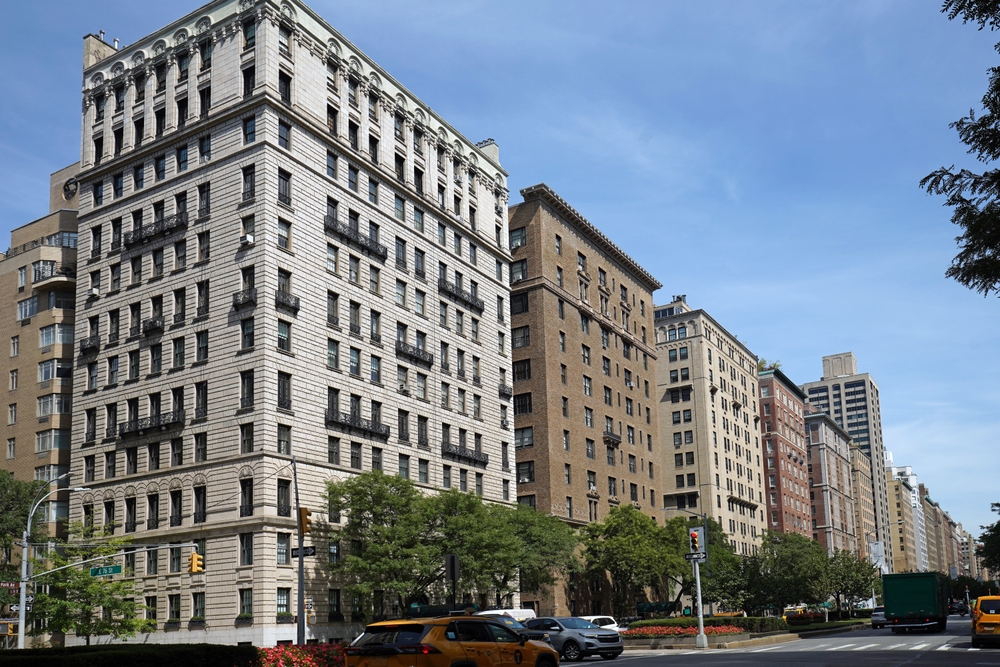
That stability has come at a cost. Manhattan’s average price per square foot is only now sitting 4 to 5 percent above its previous peak, set back in 2016. Antin’s own analysis of resale data from the past year found that roughly a third of sellers ended up losing money on their properties relative to their original purchase price.
Even so, Antin sees the ground shifting. “It seems like the fundamentals are now in place for Manhattan to see an upward trend in price,” he says, pointing to the same setup that preceded the market’s last major upswing, which began in 2009 and took roughly two years to become apparent. “We’re seeing lower supply, we’re seeing stable and growing demand, and more and more people are wanting to get back to what makes New York, New York.”
Antin is careful to note that hasn’t happened yet. Buyers are not rushing in out of fear that prices or rates are about to move. “There’s no fear that prices are running away,” he says. “People are buying because they have some intrinsic life needs.” That could be a new baby, a desire to stop renting, or a wish to own a piece of the city rather than a race to beat the market.
In the Suburbs, a Different Story
Just outside the city, the same seller behavior produces a very different outcome. Luxury markets in the New York suburbs – Fairfield County, Westchester, Long Island – have spent the past several years appreciating steadily rather than stagnating. The mechanism is identical to Manhattan’s: owners who have equity to protect simply decline to sell rather than accept a discount. The difference is what each market inherited going in.
“We moved from a demand-driven market to a supply-constrained market,” Antin says of the shift that began in spring 2022, when interest rates started climbing. Demand did soften as financing costs rose, he notes, but available supply fell even further, producing a scarcity effect that has kept prices climbing. Unlike Manhattan, which entered this cycle with a decade’s worth of supply still working through the system, the suburbs never had a glut to absorb, so the same reluctance to sell that merely held Manhattan’s prices flat has instead pushed suburban prices steadily upward.
Demand at the luxury tier in these markets – generally starting at $3 to $4 million, with ultra-luxury beginning around $10 million, by Antin’s estimation – has remained steady, driven by buyers who need to stay within commuting distance of Manhattan’s employment centers. The result: two adjacent luxury markets, governed by the identical equity dynamic, sitting at opposite points in the same story. One is just beginning to climb out of a decade-long plateau caused by that dynamic holding prices flat. The other has been climbing the entire time because that dynamic never had a surplus to work against.

Relative Value
One byproduct of Manhattan’s long period of price stagnation, Antin points out, is a shift in how the city compares to other high-end markets. He cites a cost-of-living analysis published this year finding that Miami has now surpassed New York City in overall cost of living, driven in large part by insurance costs that have climbed to among the highest in the nation, along with rising dining and retail prices.
“New York doesn’t seem as expensive as it once was,” Antin says.
For buyers weighing markets at the luxury level, that comparison complicates the assumption that New York is reflexively the more expensive choice. A decade of flat pricing, paired with rising costs elsewhere, has left Manhattan’s luxury market looking less like an outlier on price and more like a market that responds logically to its own conditions and dynamics.
About the Expert: Jared Antin is Executive Director at Brown Harris Stevens, based in New York City, specializing in Manhattan and Northeast suburban residential real estate.
This article is intended for informational purposes only and does not constitute legal, financial, or investment advice. The views and opinions expressed herein reflect those of the individuals quoted and do not represent an endorsement of any company, product, or service mentioned. Readers should conduct their own due diligence and consult qualified professionals before making any investment decisions.