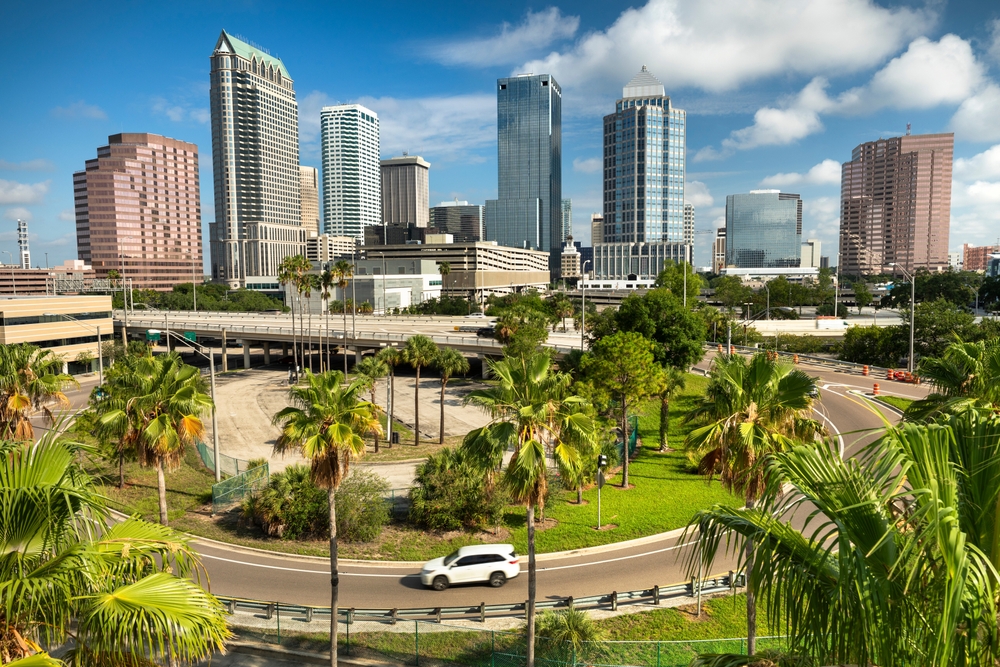
Branded residential towers, record-setting condo sales, and a thriving dining and civic scene are pulling Tampa Bay into Florida’s top luxury tier
By Chris Caggiano
For years, Tampa Bay was the market that Florida’s luxury buyers considered only after they’d priced out Miami, Naples, or Palm Beach. That’s no longer the case. Branded residential towers, record-setting condo sales, and a thriving dining and civic scene have pushed the region into the same conversation as the state’s long-established luxury addresses. Janice Mason of Coastal Property Group, who has worked the Tampa Bay market for decades, has watched the shift happen from the inside.
With the Gulf of Mexico marking a hard edge to the west, the region’s growth has gone in two directions: north and east. Mason has watched entire areas materialize along that path. When she first moved to Tampa Bay, Apollo Beach and Riverview were largely undeveloped and not places buyers were seeking out. Both have since become major growth areas, filled in with new, upscale development.
A Secret No More
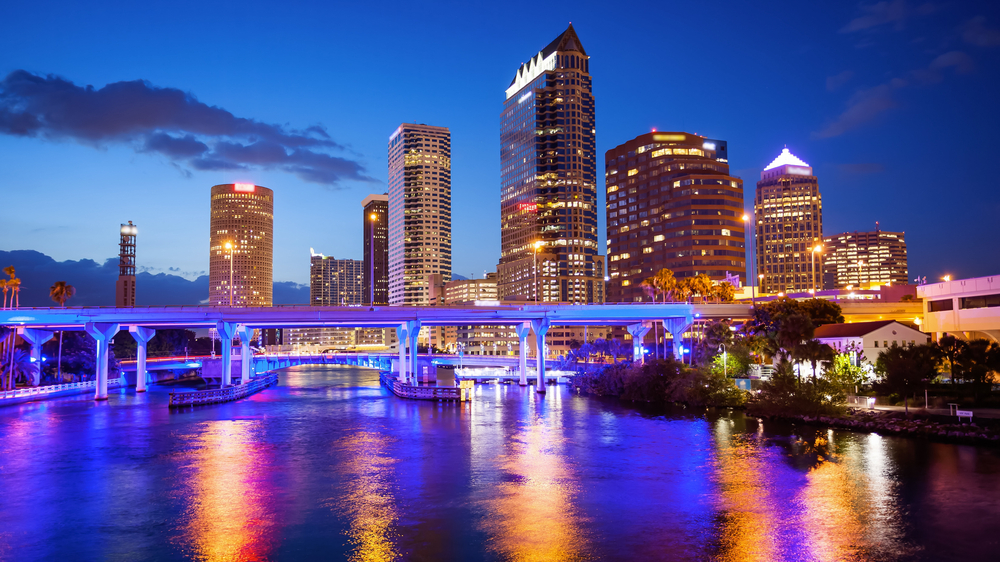
The clearest evidence of Tampa Bay’s arrival rests in its newest buildings. The Tampa EDITION, anchoring the Water Street district, is the city’s first five-star hotel, and the accompanying Residences at the Tampa EDITION, the branded condo tower attached to it, have listed penthouses approaching $9 million. The Ritz-Carlton Residences Tampa have set similarly high expectations on the skyline.
Across the bay in downtown St. Petersburg, the shift has been just as dramatic: a penthouse at the Waldorf Astoria Residences reportedly went under contract near $27 million, the highest condo price the region has ever recorded, while listings at 400 Beach Drive and buildings like Vinoy Place, Ovation, Art House, Saltaire, and The Sanctuary have redefined what buyers expect to pay – and receive – for downtown waterfront living.
Mason has seen a parallel shift in her own client base. Big-name businesses continue relocating to the region, hospitals are recruiting internationally, and buyers increasingly arrive with multi-generational families in tow. Mason has personally represented a number of doctors relocating from other countries, professionals who have been brought in to staff the area’s expanding hospital systems, including a new Johns Hopkins facility going up in Wesley Chapel. It’s a different kind of buyer from what the market saw a decade ago, someone relocating for a career, not simply a winter address.
That distinction matters, because it points to why the current wave of investment reads as durable rather than speculative. Buyers aren’t just purchasing adjunct property; they’re relocating their working lives, which tends to outlast a market cycle in a way a second home doesn’t.
Room to Grow
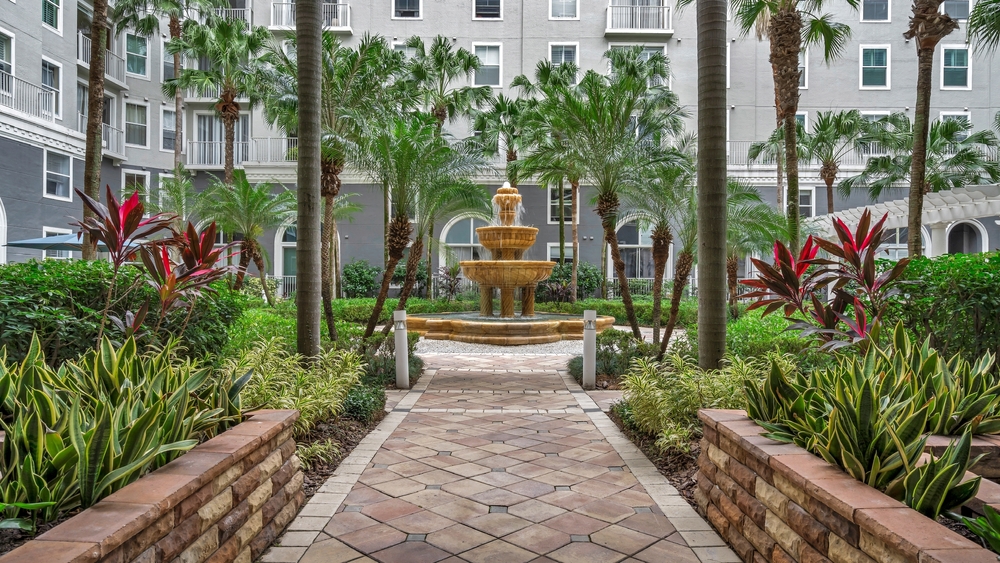
Outward growth has meant a steady push north into Wesley Chapel, Odessa, and Lutz, where new construction offers what South Tampa increasingly can’t: acreage, lakefront, and a generous amount of land around the house. “They’re looking for bigger properties or lakefront properties where they get a little land buffer,” Mason says, specifically of buyers leaving denser, established neighborhoods like Davis Islands for more space while staying within reach of the urban core.
Avila, the gated community straddling the Tampa–Lutz line, sits at the center of that outward migration. Built around a Jack Nicklaus-designed course, the community’s country club has operated on an invitation-only basis since 1980, requiring sponsorship from two existing members. That’s a genuine gatekeeping structure rather than a marketing conceit, in a market where most new luxury inventory is available to anyone who can write a check. It’s a great example of Tampa Bay institution that functions the way old-money clubs do in more established luxury markets, as the community around it keeps building new estates.
Moving on up
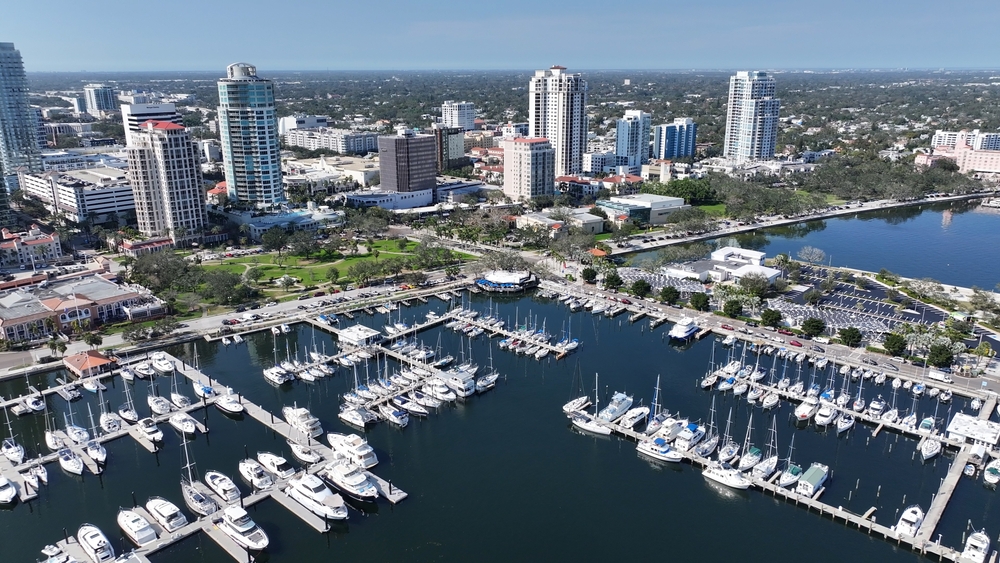
The other direction for growth is vertical. Downtown St. Petersburg, which Mason remembers as a comparatively sleepy arts-and-parks city, has become one of the region’s most active luxury condo markets, its towers stacked with the amenity packages – concierge service, resort-style pools, private spas – that used to be the province of hotel brands alone.
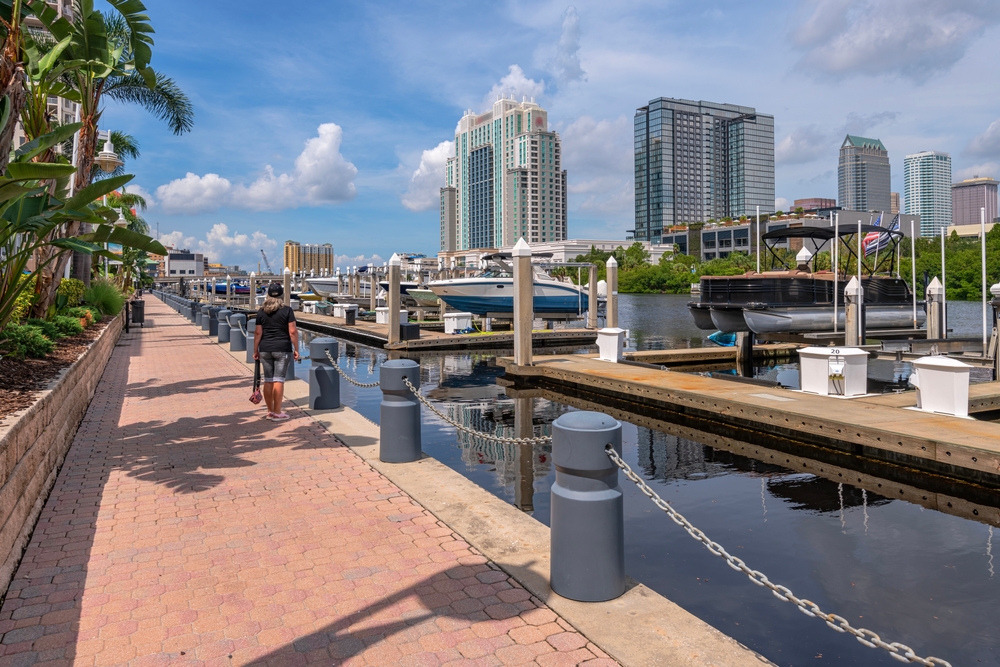
In Tampa proper, Water Street and Channelside have undergone a parallel transformation, with new residential towers built alongside a walkable restaurant scene that Mason has watched fill in over the years. “It’s really the Channelside, the downtown Tampa area, especially,” she says. “They’re really getting some wonderful restaurants.”
Tampa now counts several Michelin-starred restaurants, including Koya, Rocca, K?sen, and Ebbe. And Lilac – the Mediterranean restaurant inside the Tampa EDITION helmed by chef John Fraser – remains one of the clearest examples of branded-hotel dining doing serious culinary work. Kinjo, a Japanese-Italian restaurant in Hyde Park, picked up Michelin’s Young Chef Award in 2026. Across the bay, St. Petersburg’s Fortu, Il Ritorno, and Sushi Sho Rexley have earned their own recognition. It’s the kind of dining infrastructure that luxury buyers now expect to find waiting for them, rather than something they have to travel to Miami for.
Built for the Long Haul
If branded towers and Michelin stars make the case that Tampa Bay has arrived, the region’s infrastructure argues that it’s here to stay. Tampa International Airport is in the middle of its largest expansion in nearly two decades: a $1.5 billion, 16-gate terminal with glass boarding bridges and premium lounges, aimed at supporting the region’s growing international routes.
That growth has compounded with the arrival of major-league sports – the Tampa Bay Lightning hockey team have taken root since Mason moved to the area, and the Buccaneers have become a bigger draw. There’s also a growing calendar of festivals that runs nearly year-round: Plant City’s strawberry festival, the monthly “First Friday” street events that roll through Tarpon Springs, St. Petersburg, and Safety Harbor, and days built entirely around local pride, like Pinellas County’s own 727 Day. All of this is part of what Mason points to when she explains why buyers priced out of Florida’s east coast keep landing in Tampa Bay.
Still Moving
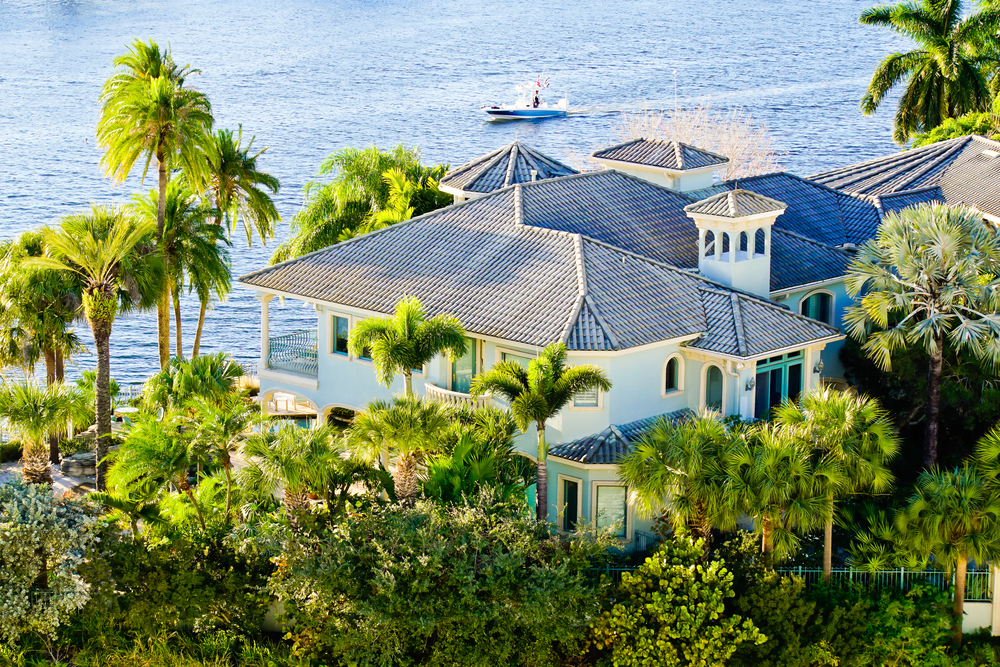
For all the infrastructure and investment, Mason is quick to point out that the ultra-luxury buyer remains fundamentally unpredictable. She recalls listing a high-end home with a boat dock deep enough to accommodate a large yacht, only to sell it to a buyer who doesn’t own a boat and has no interest in one. “They just wanted the view and the dock to be able to walk out on,” she says, “and sit out there at night.” Another client, an international buyer, spent over a million dollars converting an acre of his property into a Japanese-style Zen garden. A third wanted enough land to land his own small planes.
None of that unpredictability has slowed the market down, in Mason’s telling. The luxury and ultra-luxury tiers continue to move well, she says, confidence she attributes less to any single deal than to everything the region has stacked up around it over the past several years. Buyers may still be unpredictable in the specifics, but where they’re choosing to live is no longer in question – Tampa Bay has landed in the same conversation as Miami and Naples when it comes to ultra-luxury living.
About the Expert: Janice Mason is a real estate agent based in the Tampa Bay area, working across Pinellas, Hillsborough, and Pasco counties.
This article is intended for informational purposes only and does not constitute legal, financial, or investment advice. The views and opinions expressed herein reflect those of the individuals quoted and do not represent an endorsement of any company, product, or service mentioned. Readers should conduct their own due diligence and consult qualified professionals before making any investment decisions.