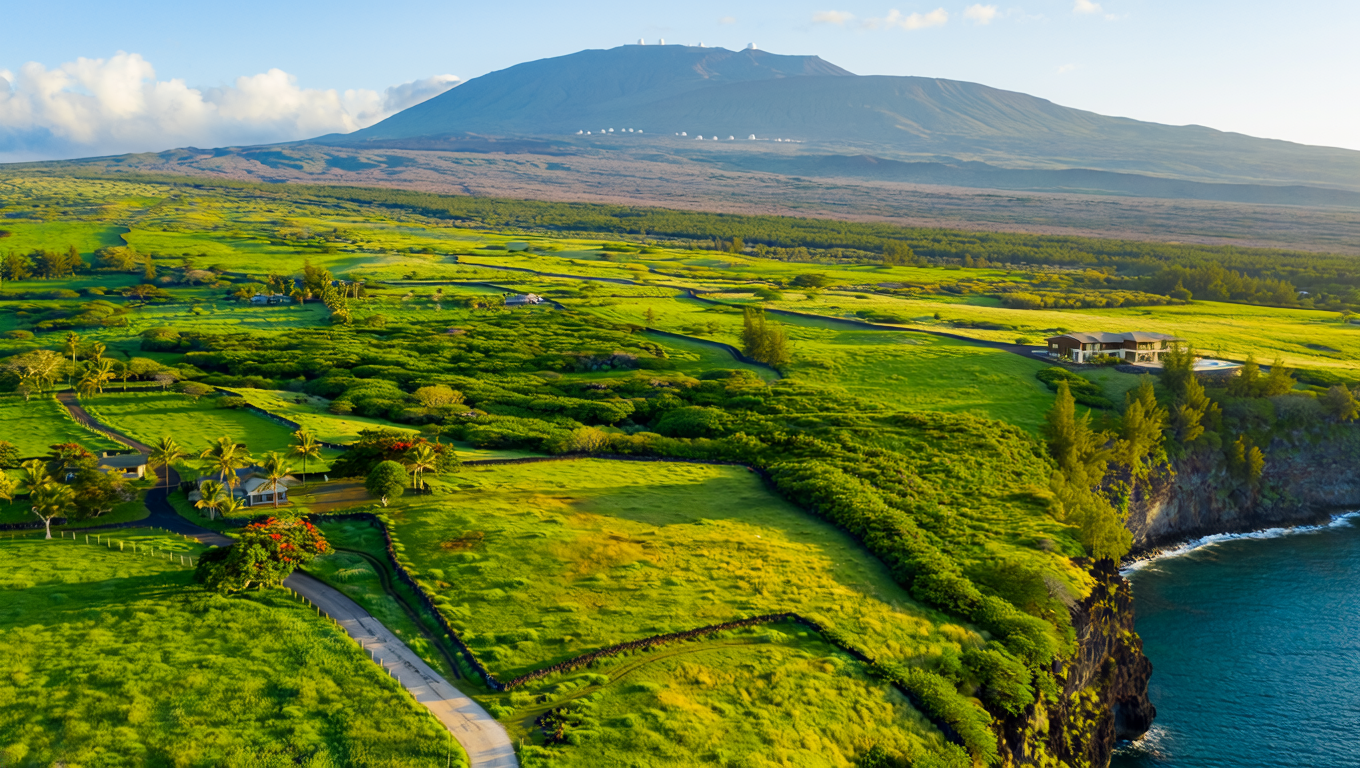
The Kona-Kohala Coast waited decades for a road. The gated communities and $30 million-plus estates that followed are something the rest of Hawaii never had room for.
By Chris Caggiano
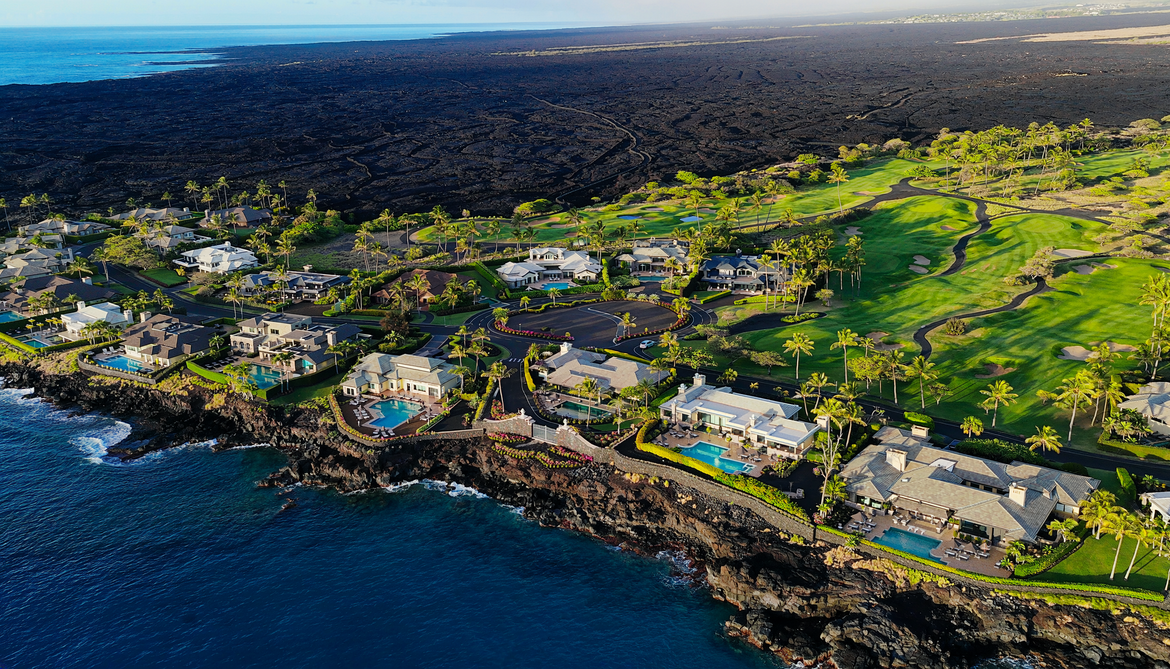
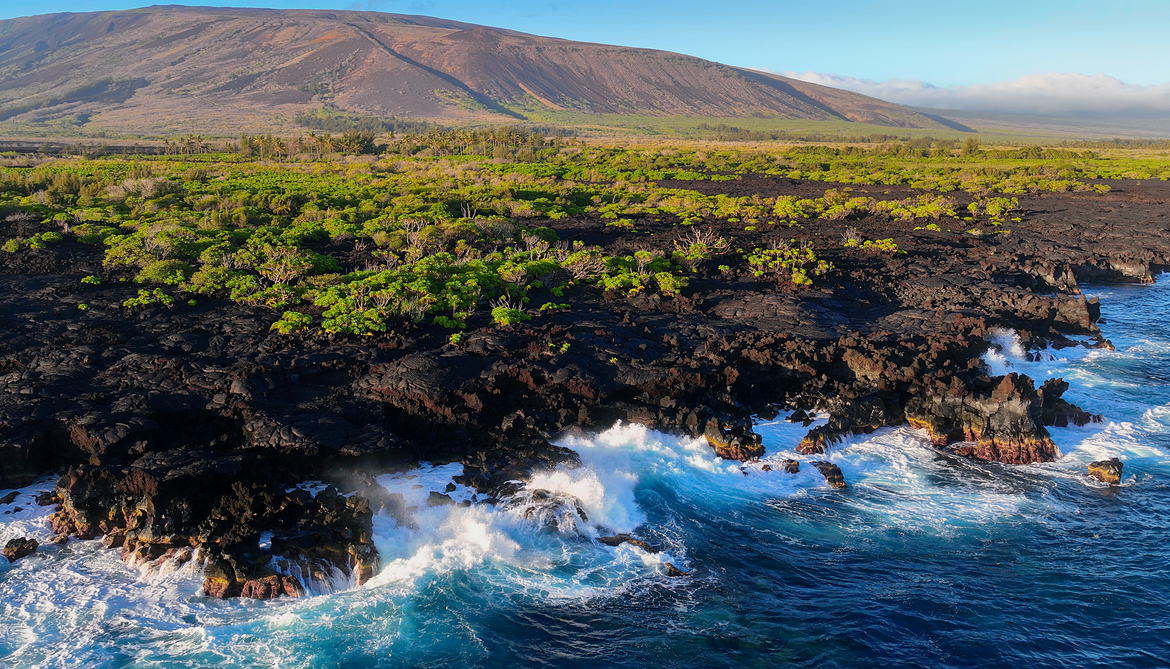
Fly into Kona and the first thing you see out the window isn’t beach. It’s lava: miles of black and rust-colored rock running down the volcanoes’ slopes to the water, crossed by a single thread of highway. Every few miles the black breaks into something that looks almost painted on: a green fairway, a cluster of roofs, a small curve of pale sand. Then it closes back up. Those patches of green hold some of the most expensive real estate in Hawaii, and nearly all of it is younger than the road that reaches it.
That is the Kona-Kohala Coast’s defining fact: it came to luxury later than anywhere else in the islands. For most of the 20th century, this stretch of coast had no coastal highway and no water infrastructure, and the arid lava fields offered little reason to build. There were early exceptions, including Kona Village in 1965 and Laurance Rockefeller’s Mauna Kea in the same decade. But Queen Ka?ahumanu Highway didn’t connect the coast until 1975. The master-planned communities that now define it arrived in the 1980s, 1990s and early 2000s, long after Oahu and Maui had filled in.
Arriving last turned out to be an advantage. With no older, denser development to work around, the coast could be planned at a scale the other islands no longer had room for. It became a string of master-planned resort communities spread across thousands of acres, several of them gated, with club membership tied to home ownership. That scale is why Hawaii’s highest-priced estates are concentrated here. Yvonne Khouri-Morgan of Corcoran Pacific Properties is a longtime agent on the coast. In her experience, luxury here runs from roughly $5 million to $20 million. Ultra-luxury starts at $30 million and has no obvious ceiling.
Buying Into a Club, Not a House
Communities this large can hold their own golf courses, beach clubs and spas, which changes what a buyer is actually purchasing. Elsewhere, a buyer at this level chooses a house. Here, the house is more like the price of admission, and what’s really being bought is a place in a community.
At Hualalai, which is anchored by a Four Seasons resort, club membership comes with ownership and covers the resort’s golf, spa and beach facilities. Next door, Kukio is private in a way a resort can’t be. With no hotel, every amenity is reserved for owners and their guests. Its Golf and Beach Club is a members-only equity club, open only to owners in Kukio and its neighboring enclaves, and its gates stay closed to anyone without an owner’s invitation. Owners there include Michael Dell, whose 18,500-square-foot Raptor Residence carries an assessed value of $64.7 million.
That access carries its own price, on top of the property. Kukio’s club lists a $275,000 joining fee, and Khouri-Morgan puts annual fees at Hualalai and Kukio at roughly $100,000. At the lower end of the luxury tier, where homes start around $5 million to $7 million, that cost turns some buyers away. At the top of the market it has the opposite effect, because the cost keeps the communities small, private, and filled with people who can afford the same things. “The high end is going to buy in those communities because of that,” Khouri-Morgan says.
What the fees buy, above all, is control. Buyers want privacy and security, and Khouri-Morgan says security in particular has shifted from a preference to a requirement. They also want everything close at hand, from concierge service to club dining. That self-contained quality shapes how residents spend their days here.
Up Early, Quiet by 10
Life inside these communities runs on daylight. “It’s an outdoors day place,” Khouri-Morgan says, and nearly everything owners do here happens between an early start and an early dinner.
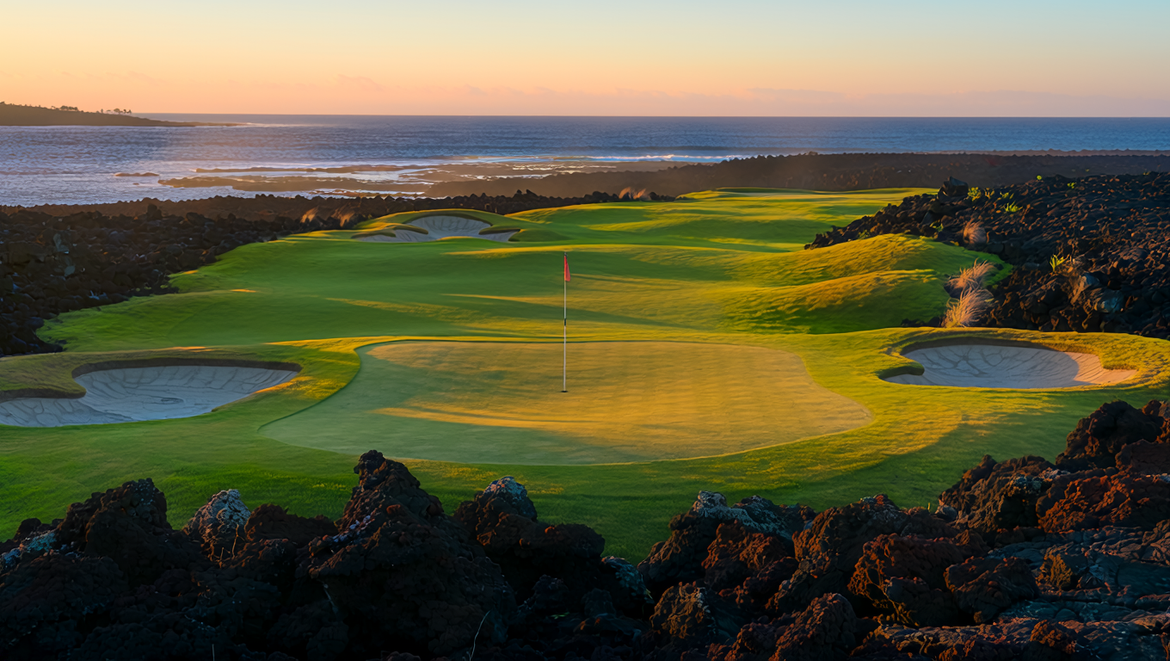
Golf comes first. Hualalai and Kukio both have private courses where members walk on without a tee time. Nearby Nanea, a private club developed by Charles Schwab and George Roberts, is open only to members and the guests they bring. Farther up the coast, the courses at Mauna Kea and Mauna Lani share their fairways with hotel guests, a difference that matters to buyers who want the game to themselves.
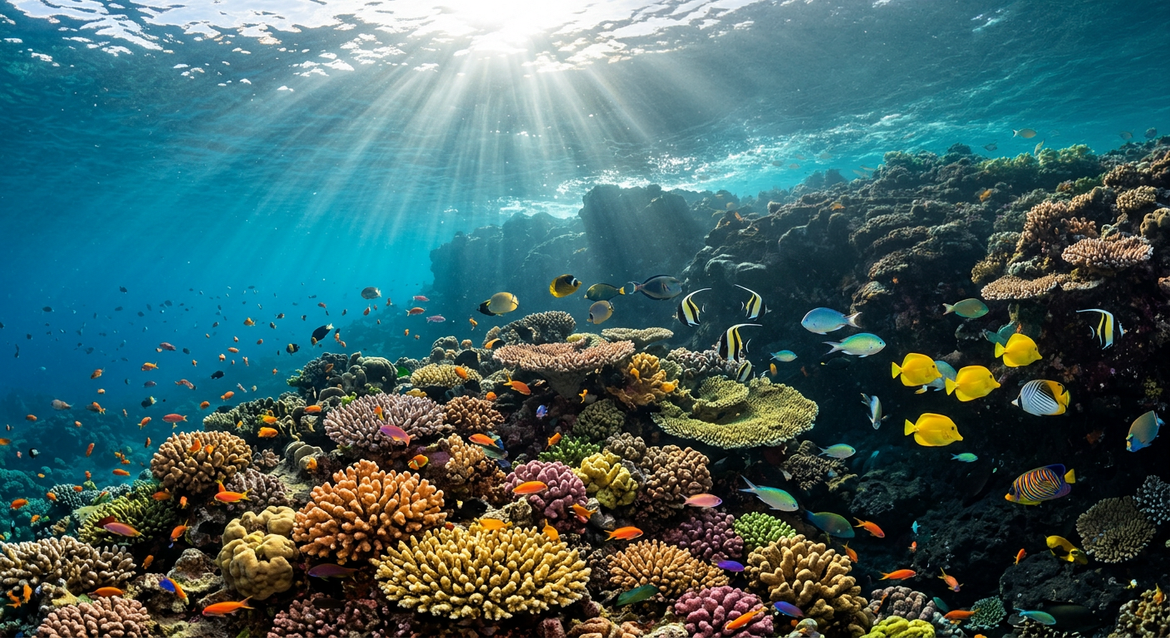
Beyond golf, owners play tennis and pickleball, go canoeing, kayaking, and stand-up paddling, hike, and train for triathlons. Diving has caught on with younger owners. Khouri-Morgan, a longtime scuba diver herself, credits the lava coastline, which she says limits the soil runoff that damages reefs elsewhere. Families with children tend to start with snorkeling.
What makes that rhythm possible year-round is weather that barely changes. By Khouri-Morgan’s count, the west side of the island gets about eight inches of rain a year. Shoreline temperatures run from the low 80s in winter to the low 90s at the peak of summer, close enough that “you can wear the same kind of clothes, summer, winter, and night and day.” That consistency has become an advantage over the mainland. Owners who also keep homes in California’s desert resort areas are watching summer heat shorten the golf season there. Here, there’s no off-season to plan around.
The flip side of an early day is an early night. Dinner starts between 7 and 8 and is usually over by 9:30 or 10. Restaurants have bars, but there’s no club scene. “There isn’t any nightlife,” Khouri-Morgan says, and after 10 the coast is quiet. Social life runs instead through the communities themselves and a calendar of charity events, often with Hawaiian music, among owners she describes as wanting “a community of like-minded people.”
Shopping follows the same pattern. There are a few shops, but a lot of the buying happens online, and anyone who pictures a long lunch followed by an afternoon of browsing will be disappointed. “This is not the place,” she says. For clubs, concerts and serious shopping, owners take a short flight to Honolulu for the weekend. Khouri-Morgan does it herself: “We go shopping. We go to the clubs. We go to listen to live music.” Then they come back.
For buyers at this level, the nightlife and shopping scene were never the draw, and Honolulu’s are a short flight away whenever they want them. What brought them here is the quiet, the outdoors, and the privacy.
Built for Long Stays
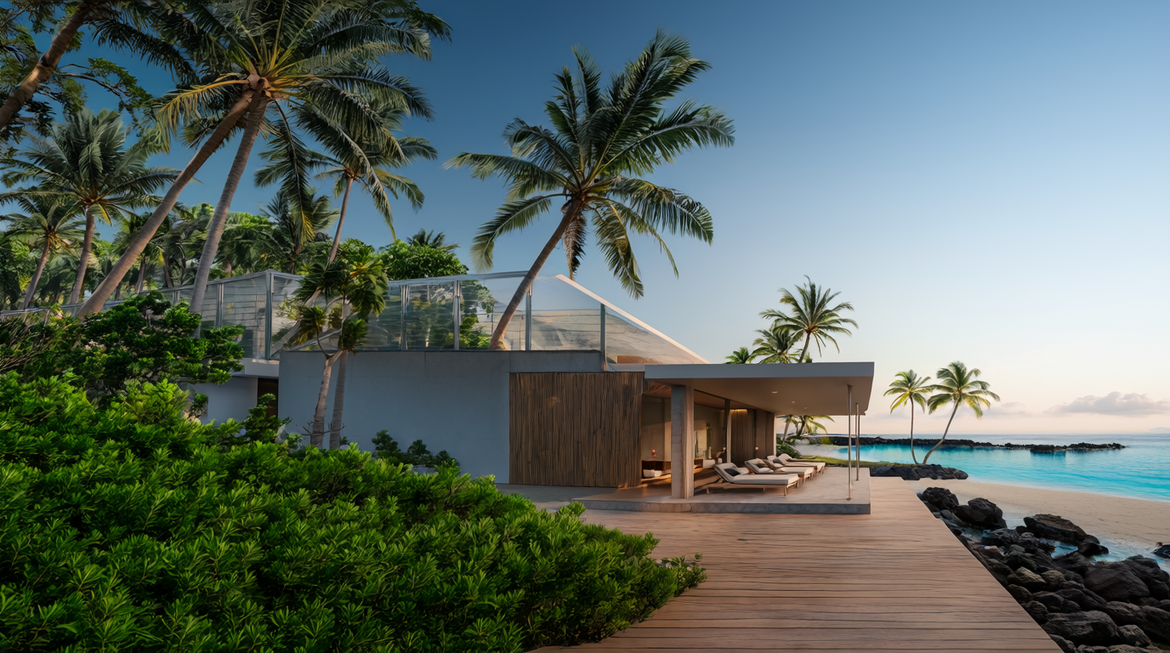
Those long, family-centered days also explain what people are building. Khouri-Morgan sees buyers moving away from traditional Hawaii architecture, with its heavy woods and deep overhangs designed to work with the trade winds, toward contemporary homes, and away from anything modest. A three- or four-bedroom house isn’t big enough. Most buyers want five, six or seven bedrooms. Residents come for weeks at a time with extended family and friends, often bringing a nanny or a chef, while the working parent flies back and forth to the mainland. The house has to run as a full household, not a getaway.
Few of these are primary residences. During the pandemic, many buyers moved here full-time. Since then that pattern has reversed, and most owners now treat the coast as a second, third, or fourth home, alongside a house on the West Coast and often another in ski country.
Those owners come from a consistent set of places. By Khouri-Morgan’s count, 37 percent of buyers come from California, followed by Washington, Texas and Colorado. Many work in tech and come from San Francisco, Los Angeles, and Seattle. Japan supplies the most international buyers, followed by Korea, Canada, Singapore, and Hong Kong. The market is also turning over by generation: owners who bought 20 years ago, now in their 70s, are selling, and most new buyers are in their 40s and 50s.
Even as buyers take longer to decide, the prices they pay keep climbing. Hawaii Island recorded 36 sales above $3 million in the first half of 2026, and the median sold price in that tier rose about 27 percent from a year earlier to $8.56 million, the highest of any island. Those homes spent an average of about five months on the market. That points to buyers who are choosy, not buyers who have been priced out.
Choosing a Community
With five major resort communities along one coast (Hualalai, Kukio, Mauna Lani, Mauna Kea and Waikoloa), the harder decision for a buyer isn’t whether to buy here but where. Khouri-Morgan starts every client the same way: “Picture yourself as you wake up in the morning. What do you see yourself doing every day?”
The answer does most of the sorting. A buyer who pictures a long walk on sand belongs at Mauna Kea, which has one of the coast’s few long, sandy beaches. A buyer who wants to step straight onto a golf course belongs in one of the more private communities, most likely Hualalai or Kukio. Cost narrows the field further, but it’s a second filter, not the first. At the top of the market, the club fees confirm a choice more often than they block one.
Running Out of Room
Of course, the advantage that built this coast has a limit, and the coast is approaching it. Much of the undeveloped shoreline belongs to the state and is protected from development. New building happens only inside the resort areas, and those are filling up. By Khouri-Morgan’s count, only about 100 oceanfront lots exist on the entire coastline. With building costs also rising, she expects prices to keep climbing over the next two or three years, provided travel stays affordable. “We don’t want to try to get here on kayaks,” she says.
From the air, the pattern still looks the way it did when the road first went in: black lava, and every few miles a patch of green. The coast waited decades for a highway and water. That wait left room for communities and estates on a scale no other island could match. Now the room itself is running out, and its scarcity has become part of what buyers are paying for.
About the Expert: Yvonne Khouri-Morgan is a real estate agent based on the Kona-Kohala Coast of Hawaii Island, working in the coast’s resort communities. [Brokerage/title to confirm]
This article is intended for informational purposes only and does not constitute legal, financial, or investment advice. The views and opinions expressed herein reflect those of the individuals quoted and do not represent an endorsement of any company, product, or service mentioned. Readers should conduct their own due diligence and consult qualified professionals before making any investment decisions.