On Sea Island and St. Simons, families return generation after generation, and new buyers wait patiently for the chance to join them.
Many of the people buying homes on Sea Island aren’t discovering it for the first time. For generations, this barrier island in Georgia’s Golden Isles has been a vacation ritual for Southern families, and the children who spent their summers there are now buying homes so their own children can have the same summers.
“It’s always been a generational community,” says Susan Imhoff, a real estate agent who works primarily on Sea Island and neighboring St. Simons Island. “The grandchildren were raised on a Sea Island vacation property, and now they want their children to be here.”
That continuity explains a great deal about the Golden Isles today. It is why buyers value the islands’ long history, why families treat certain traditions as part of what they are purchasing, why they are willing to wait for the right property, and why life on the water keeps them returning.
Deeper Roots
Many resort communities along the Southeastern coast were built from scratch in the mid-20th century, and for Imhoff, the Golden Isles’ longer history is what sets them apart. She lived on Hilton Head before settling in Georgia and remembers it as a wonderful community, but one whose character took shape in the 1950s and that, to her, lacked deep roots. “Here we have history that spans back to the early 1800s, late 1700s here,” she says.
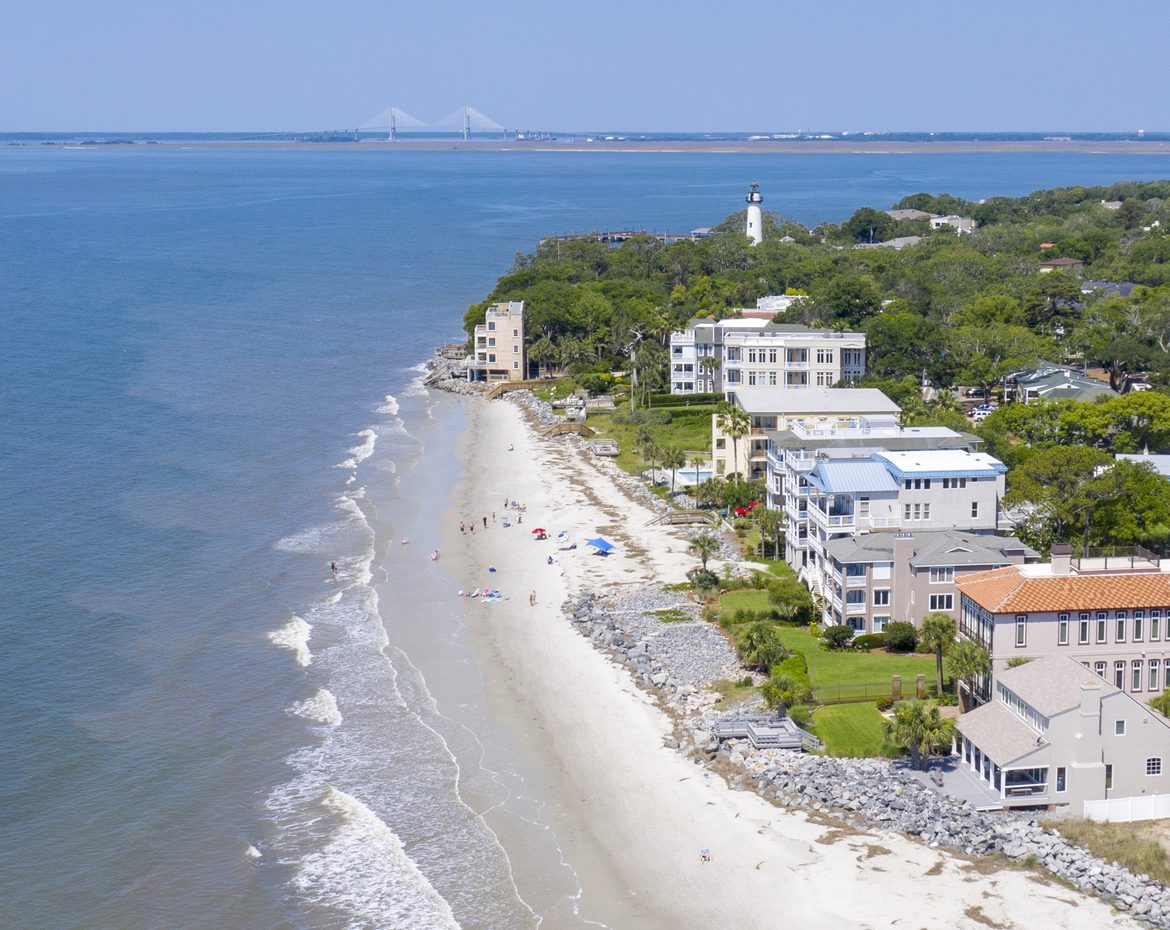
Sea Island adds a more recent history of its own, one that is written into the real estate. The island’s Cottage Colony dates to 1927, and many of its early cottages were designed by Francis Abreu, the architect who arrived on the island in 1928 and shaped much of its early residential character. Nearly a century of building has produced a neighborhood where styles vary from house to house.
That variety is deliberate. Contemporary architecture is rare, but tradition here does not mean uniformity. A New England-style home might sit beside a classically Southern one, and the owner’s personality is expected to come through in the design. “The integrity of the community is not cookie cutter,” Imhoff says. “It really is the individual design.” There is a standard of quality, in other words, but no template to fill.
Traditions Worth Returning to
The same respect for continuity that shapes the houses shapes how families live in them, and for many Sea Island buyers the real draw is a set of rituals rather than a list of amenities. The most beloved is Family Bingo. Little boys wear blazers, little girls wear dresses, and after the game the children dance while parents and grandparents look on. Imhoff admits it can sound silly to outsiders. For the people who grew up with it, though, it is exactly what they want to come back to as adults, and what they want their children to experience.
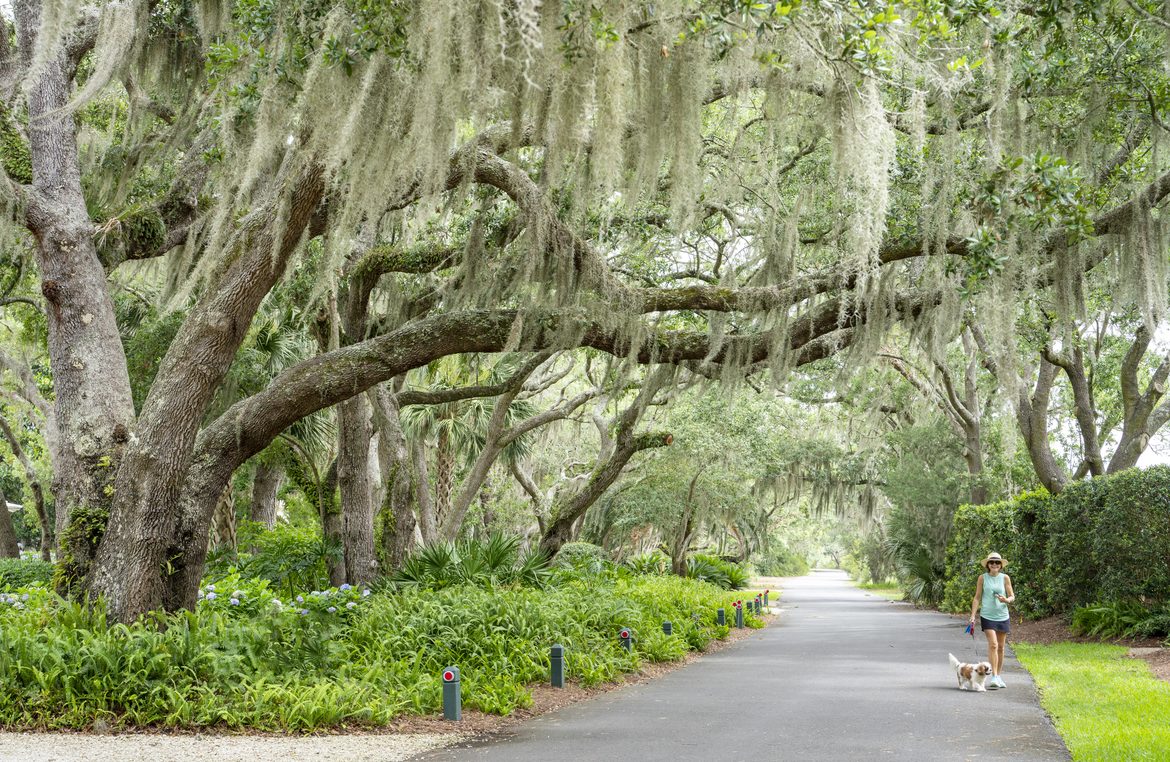
The rest of island life gives children a freedom many of their parents remember from their own summers here. Children ride their bikes down streets shaded by live oaks draped in Spanish moss. At the beach club, junior staff play with the kids while parents head out for a round of golf, so the children spend the day at the beach rather than at home with a sitter. “They really are getting to have a vacation experience while they’re down here as well,” Imhoff says. For that reason, she notes, the club is often part of a buyer’s decision from the start. It is not included in any sales price, but families treat membership as part of what they are buying into.
According to Imhoff, Sea Island’s buyers are younger than they used to be. Where the market once leaned toward retirees, Imhoff now sees many more families with young children. The ages may have changed, but in many cases the families haven’t: those young parents are often the grandchildren who once dressed up for Bingo, and families in their third and fourth generations on the island are common.
Newcomers are joining them, however. Locals used to joke that Sea Island was “Atlanta South,” and Atlanta and North Georgia still supply a large share of buyers. Imhoff now sees growing numbers from Houston, Dallas, the Chicago area, and California, along with a Northeast contingent that she believes is stronger than ever.
The Patience of the Island
Returning families and new arrivals are competing for very little available property, and on Sea Island, the land itself sets the pace. Only a handful of lots remain for sale on the island, so the community grows mostly through renovation rather than new construction, and buyers learn to wait.
Imhoff places entry-level luxury on Sea Island at around $3.5 million to $4 million, and she has had clients wait months for anything in that range to come available. By her account, oceanfront and riverfront condominiums near the hotel that sold for about $4 million three years ago now command more than $10 million. In December 2025, a Sea Island home sold for $30 million, the highest residential sale on record in Georgia. Because much of the buying on the island is done in cash, Imhoff says, the market has moved largely on the strength of demand rather than on interest rates.
St. Simons offers a broader range. Single-family homes begin around $600,000 and reach $10 million to $12 million, though the upper tier is far more limited.
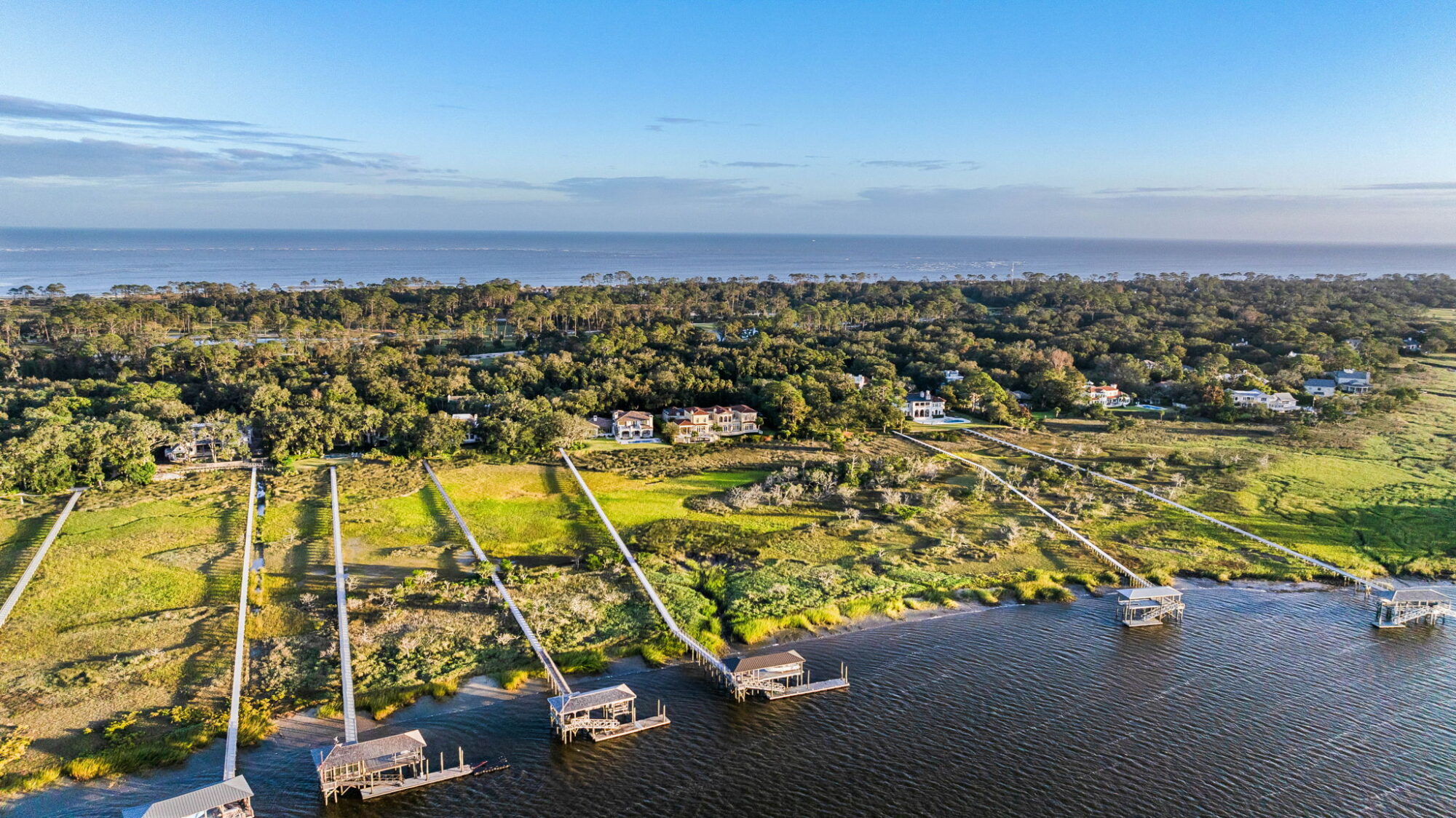
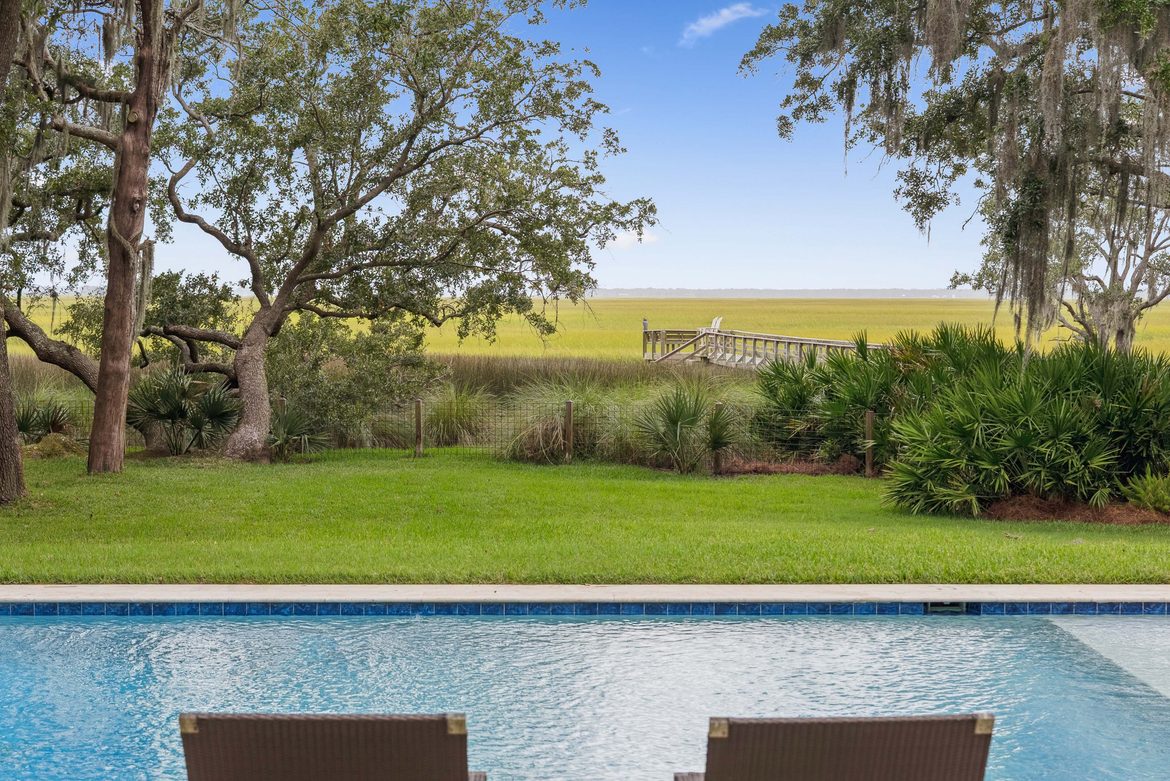
Across both islands, the most coveted properties have a view. The Golden Isles offer several kinds, overlooking golf courses, marshes, rivers, and the ocean, and buyers who can afford one pursue it. “If people can afford it, they gravitate toward a view,” Imhoff says.
Scarcity has produced a strategy she rarely sees in other markets. Rather than wait on the sidelines, many of her clients buy whatever is available in order to establish themselves in the community, then move when the property they really want appears. “They’ll take what’s available to get their foot in,” she says, “and then when the right property comes along, we’ll go ahead and transition.” Buyers accept that sequence because, for them, being part of the community matters more than any single address.
Life Along the Water
For residents, much of Golden Isles life takes place on or near the water. Beaches, golf, tennis, pickleball, and cycling fill the days, but boating and fishing have become an increasingly central part of island life. Imhoff says both have grown considerably over the past 25 years as more boaters have found their way to St. Simons and Sea Island. “We’ve been discovered,” she says.
The fishing, in particular, rivals that of far better-known sportfishing destinations. Inshore waters draw tarpon, and offshore anglers find mahi-mahi, rainbow runners, and gag grouper. Imhoff belongs to her own ladies’ fishing team, and on a recent trip with her granddaughter, the two brought in mahi-mahi and rainbow runners. It is one more tradition passed from one generation to the next.
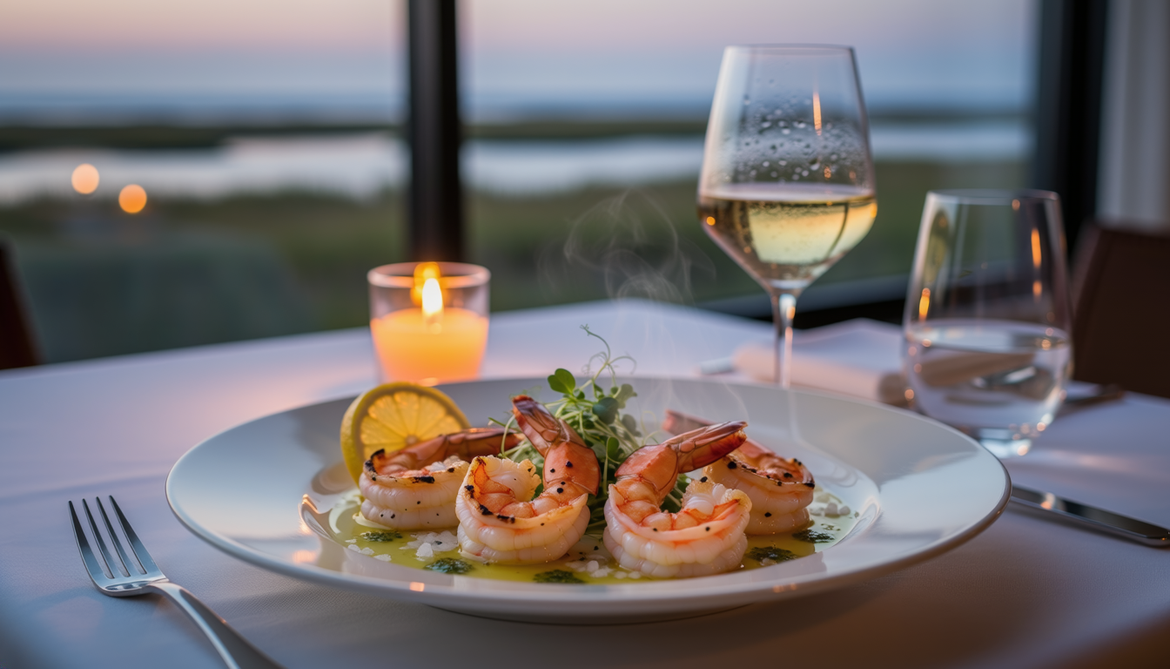
Not surprisingly, seafood and steak dominate local menus, and Imhoff is unequivocal about the local specialty. “You won’t find better shrimp than Georgia shrimp,” she says, referring to the white shrimp caught off the coast. In her experience, the dining itself has changed alongside the property market. Twenty-five years ago, she recalls, the islands were known mostly for casual restaurants. Today, residents expect tablecloth service and refined presentation, and they find it. The options are widening too, most recently with the arrival of a new sushi bar.
Beyond the water and the dinner table, the islands’ character comes through in their celebrations and their generosity. Imhoff describes a golf cart culture that extends to the holidays: on Memorial Day, the Fourth of July, and Veterans Day, residents decorate their carts for parades. She also describes a community where dogs are welcome nearly everywhere, and where some restaurants keep menus just for them. And she sees an unusually strong culture of giving: people arrive and want to contribute, supporting a wide range of nonprofits, including organizations serving the area’s military community and programs that develop the workforce that keeps its resorts running.
Sea Island’s two kinds of buyers, the families returning for another generation and the newcomers taking whatever they can find, are really at different stages of the same story. Every family now on its third or fourth generation on the island started with someone willing to wait for a way in.
About the Expert: Susan Imhoff is a sales associate with DeLoach Sotheby’s International Realty in St. Simons Island, Georgia, specializing in residential properties on Sea Island and St. Simons Island in Georgia’s Golden Isles.
This article is intended for informational purposes only and does not constitute legal, financial, or investment advice. The views and opinions expressed herein reflect those of the individuals quoted and do not represent an endorsement of any company, product, or service mentioned. Readers should conduct their own due diligence and consult qualified professionals before making any investment decisions.
Hero Image Photo Credit: Bartolotti Media