As the mountains open new ground, Park City’s finest homes are rising to meet a rarer standard: built to last generations.
By Chris Caggiano
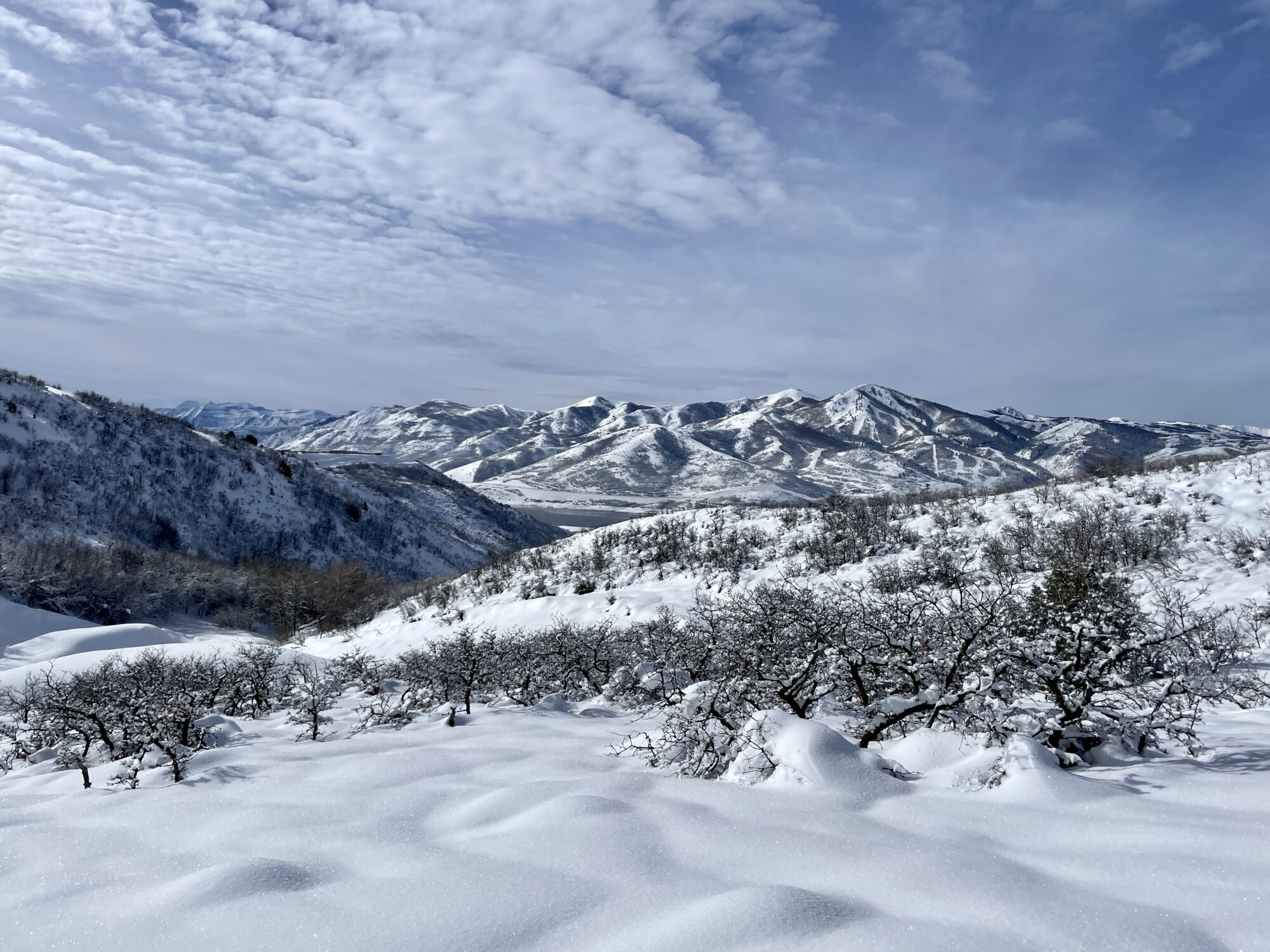
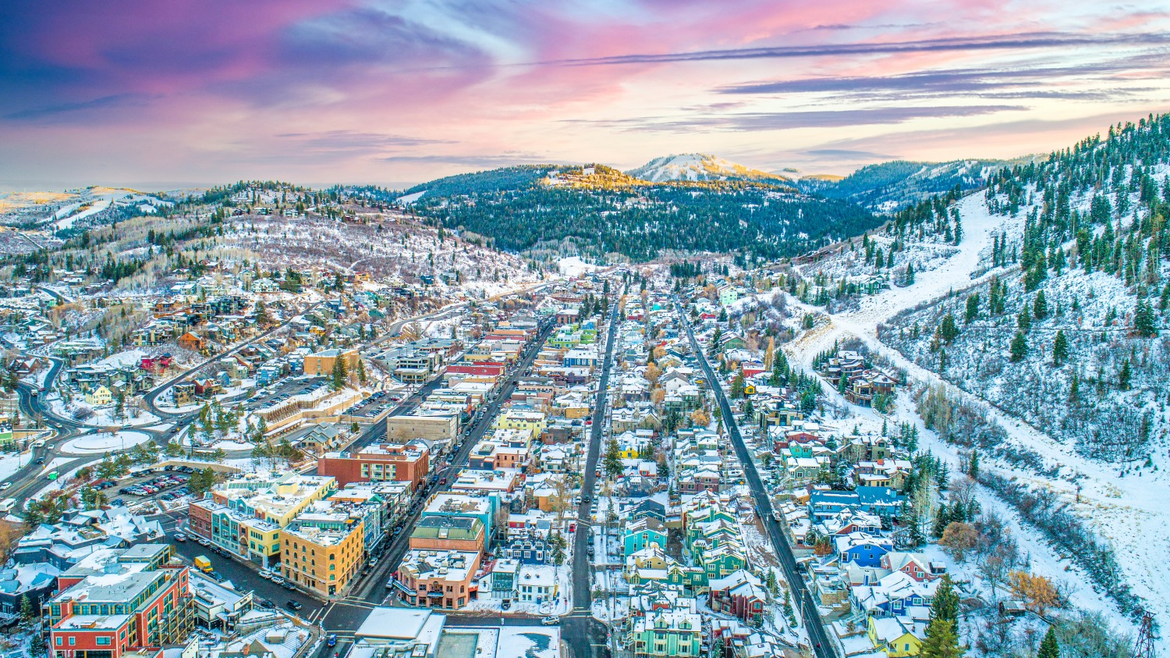
The drive out of Salt Lake City climbs fast. Within twenty minutes, the valley’s grid gives way to canyon walls, and the highway threads upward through stands of Douglas fir and blue spruce, their dark green holding steady against the exposed granite and scrub oak of the lower slopes. Then the canyon opens, and Park City appears – ringed by peaks, laced with ski runs, and, increasingly, dense with construction cranes.
For builder Charles Ochello, Founder and CEO of Vitruvius Built, that thirty-two-minute drive from a major international airport to his own front door is not incidental scenery. It is the foundation of the market’s advantage.
Park City has something rarer among high-altitude resort towns than any single amenity: room to grow. Where Aspen and Jackson Hole are hemmed in by topography and entitlement limits that have long capped what can be built and where, Park City still has open land – and that has allowed an entirely new tier of communities to rise from scratch, rather than being wedged into whatever infill remains.
Ochello has watched both types of market up close. “In our younger family days, we would summer in Aspen,” he said, “so I very much understand that kind of geographically constrained mountain town.” Park City’s ability to accommodate more is reshaping not just where people are buying, but how long they stay and what they’re asking builders to construct once they get there.
Building from Scratch
That openness is what has let three very different communities take shape simultaneously, each drawing a distinct kind of buyer. Powder Mountain, to the north, is where Netflix co-founder Reed Hastings has directed a reported nine-figure investment into Powder Haven, a membership community built around privacy and terrain rather than social scene. Its centerpiece, a roughly 73,000-square-foot clubhouse designed by Hart Howerton, is under construction now. Ochello sees that community drawing a particular type of buyer: Bay Area tech founders, often post-exit, who want skiing, snowboarding, and distance from public view. Wasatch Peaks Ranch, thirty to forty-five minutes north of Park City proper, follows a similar private-club model built around golf and skiing, comparable in spirit to Montana’s Yellowstone Club.
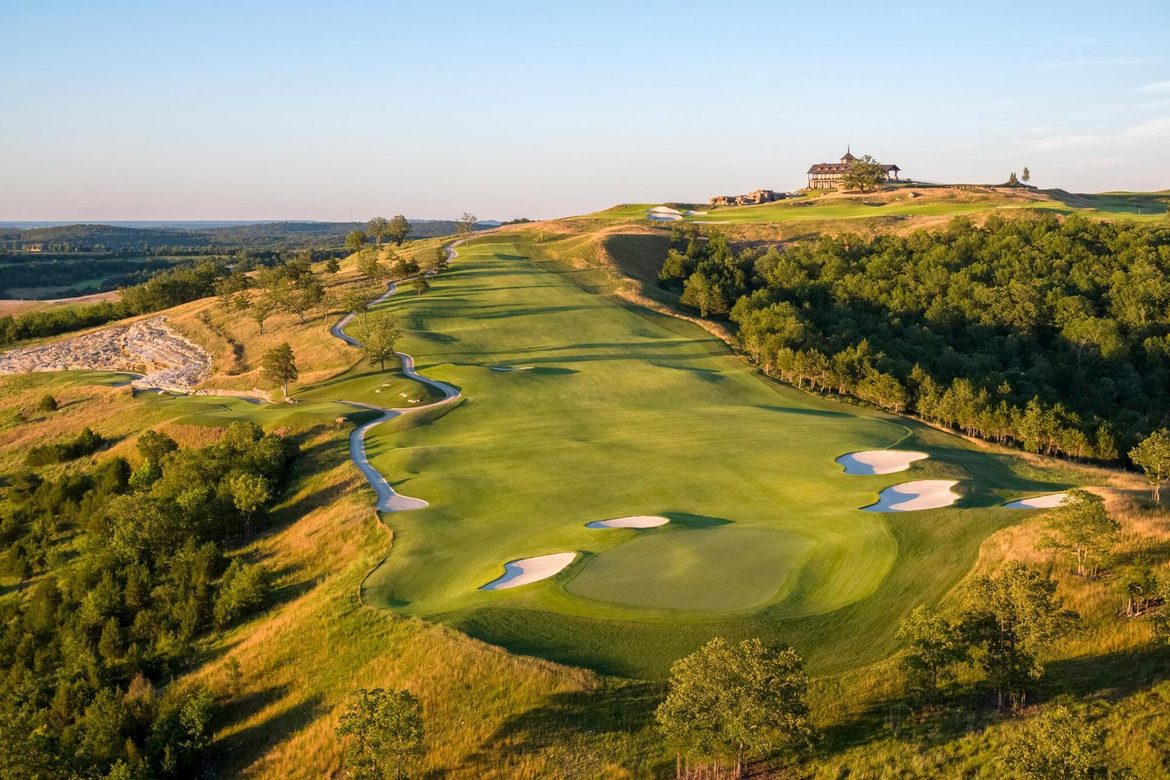
Closer to town, Marcella Club anchors the Deer Valley East Village, part of a roughly 3,700-acre terrain expansion that has more than doubled the resort’s skiable acreage and added new lifts and snowmaking infrastructure. A Four Seasons hotel and residences and a Waldorf Astoria are both under construction there, with openings projected for 2027 and 2028. Marcella’s own golf offering includes a Tiger Woods–designed course that opened in July, with a second course planned to follow. The community is platted for 500 custom homesites, and by Ochello’s account, only about the first tenth of those have broken ground. None of this expansion is happening in a vacuum. It’s arriving alongside, and in some ways because of, a shift in who’s buying and how they’re using what gets built.

From Two Weeks to Two Months
The room to build has met a real change in how buyers are using these houses. Ochello has watched the same clients who once spent two to four weeks a year in Park City start spending two to four months. Some of that shift comes from geography: alongside the traditional buyer base out of Southern and Northern California and the Northeast, he’s now seeing more clients from Dallas, Houston, Atlanta, and Florida, drawn less by skiing than by summers that don’t require sweating through them. Some of it comes from a younger, wealthier buyer pool minted by the current wave of technology fortunes, whom Ochello describes as simply wanting to be outside rather than “grinding” behind a screen.
The market data reflects that pattern of sustained, rather than seasonal, demand. Single-family home prices across Park City have held in the $2.8 million to $3.5 million median range through much of 2026, even as overall transaction volume has cooled. In Park City’s most established neighborhoods, the median held near $4 million in early 2026, essentially flat year over year – a sign that sellers in the market’s top tier aren’t discounting to move inventory; there’s simply less of it changing hands. That combination – steady pricing, thinning supply – is consistent with a market where more owners are staying put and building for the long term rather than cycling through vacation properties.
For Ochello’s clients, that long-term horizon is often explicit. Many of his clients are building with multiple generations in mind, intending the home to remain in the family well beyond their own use of it. That kind of legacy planning, paired with longer annual stays, has begun to change what these buyers are actually asking builders to construct.
Not One House
As stays lengthen and a home is expected to serve grandparents, adult children, and grandchildren at once, the single sprawling great room has started to lose its logic. Ochello has seen demand shift toward what he calls “multi-nuclear unit design” – a primary residence of perhaps 3,000 to 4,000 square feet, connected by glass bridges to separate guest structures, rather than one continuous 8,000- to 10,000-square-foot house built around a great room. Extended family can arrive, let themselves into their own wing, and never need to pass through the main house at all. It’s a floor plan built for a life where the whole family gathers for a few weeks a year and otherwise wants its own front door.
That shift toward separation is paired with a shift in scale. Even as overall spend on these homes climbs, Ochello has noticed clients pulling back from double-height living rooms and cavernous open volumes in favor of rooms sized to how they actually feel to sit in – smaller, warmer, finished in the timber and stone native to the Mountain West rather than more manufactured materials. The result is a paradox worth sitting with: homes that cost more and do more are, room by room, being built to feel smaller.
That paradox lands squarely on the builder. A house broken into several distinct wings, each finished as its own architectural moment, with more glazing and more structural complexity than a single unified great room, requires a different order of coordination than a conventional custom home. Ochello has watched plan sets for these projects grow from roughly thirty pages to well over a hundred. The room Park City has to build outward is, in other words, being matched by a demand for buildings that are considerably harder to build.
Room to Dream
Drive back down through the canyon in the evening, past the same stands of Douglas fir and blue spruce that mark the descent into Salt Lake City, and the scale of what’s being built above starts to make a different kind of sense. Ochello isn’t just describing more square footage, or more communities, or more sophisticated construction. He’s describing houses built on the assumption that they’ll be lived in by people who haven’t been born yet.
That’s the quieter story behind the cranes rising over Powder Mountain and Marcella Club. The space that Park City still has to build into isn’t only being spent on scale. It’s being spent on time – on homes engineered to hold a family together across decades, through glass bridges and guest wings that let three generations share a property without ever feeling like they’re sharing a room. Few resort markets still have the option to build that way.
About the Expert: Charles Ochello is the Founder and CEO of Vitruvius Built, a luxury residential construction company based in Park City, Utah, and is a member of REALM Global, an international network of real estate professionals working in the ultra-luxury segment.
This article is intended for informational purposes only and does not constitute legal, financial, or investment advice. The views and opinions expressed herein reflect those of the individuals quoted and do not represent an endorsement of any company, product, or service mentioned. Readers should conduct their own due diligence and consult qualified professionals before making any investment decisions.