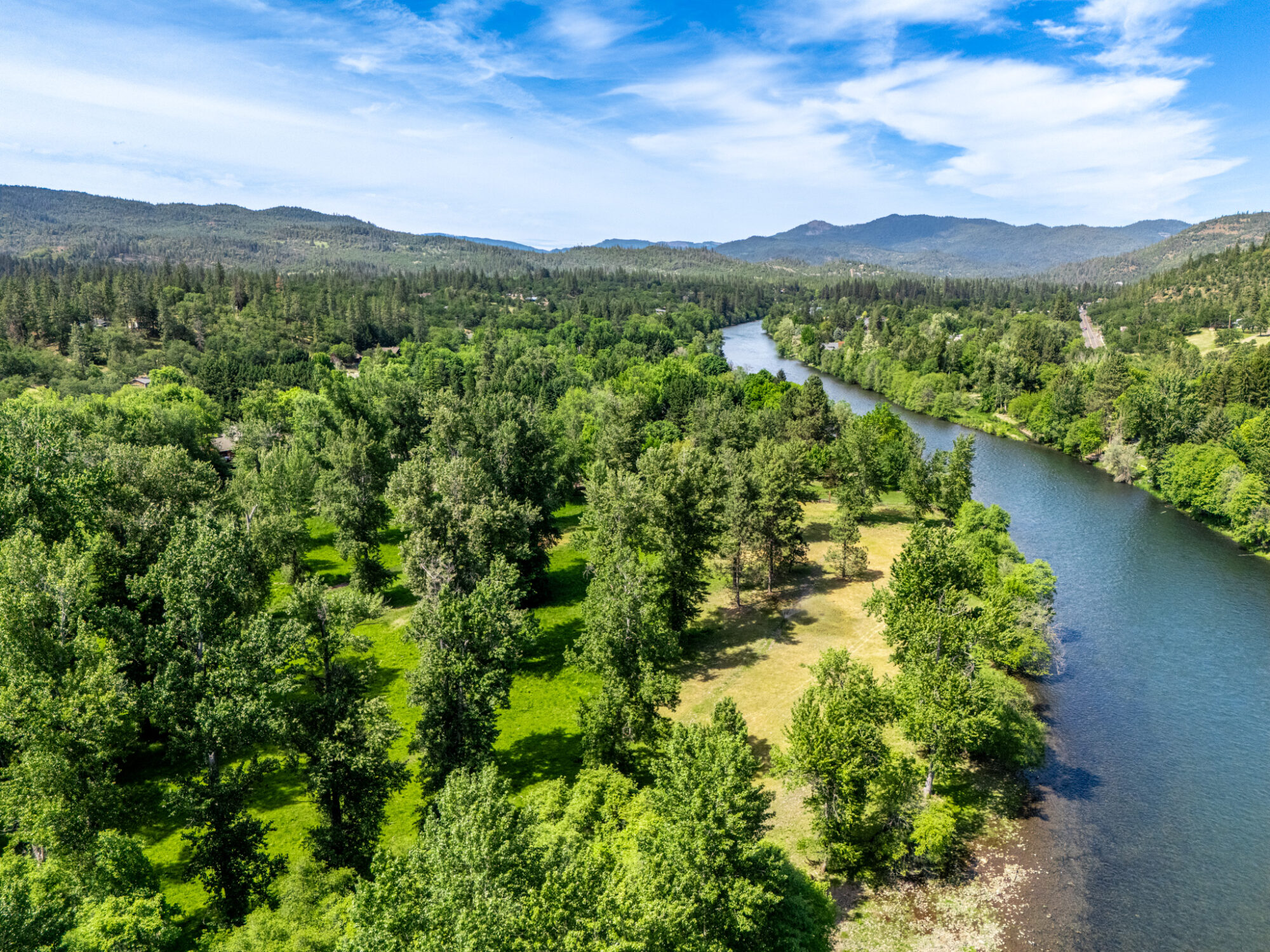
Around Jacksonville, Ashland, and the Applegate Valley, buyers trade the small urban lot for land, water, and a long-deferred vineyard dream.
By Chris Caggiano
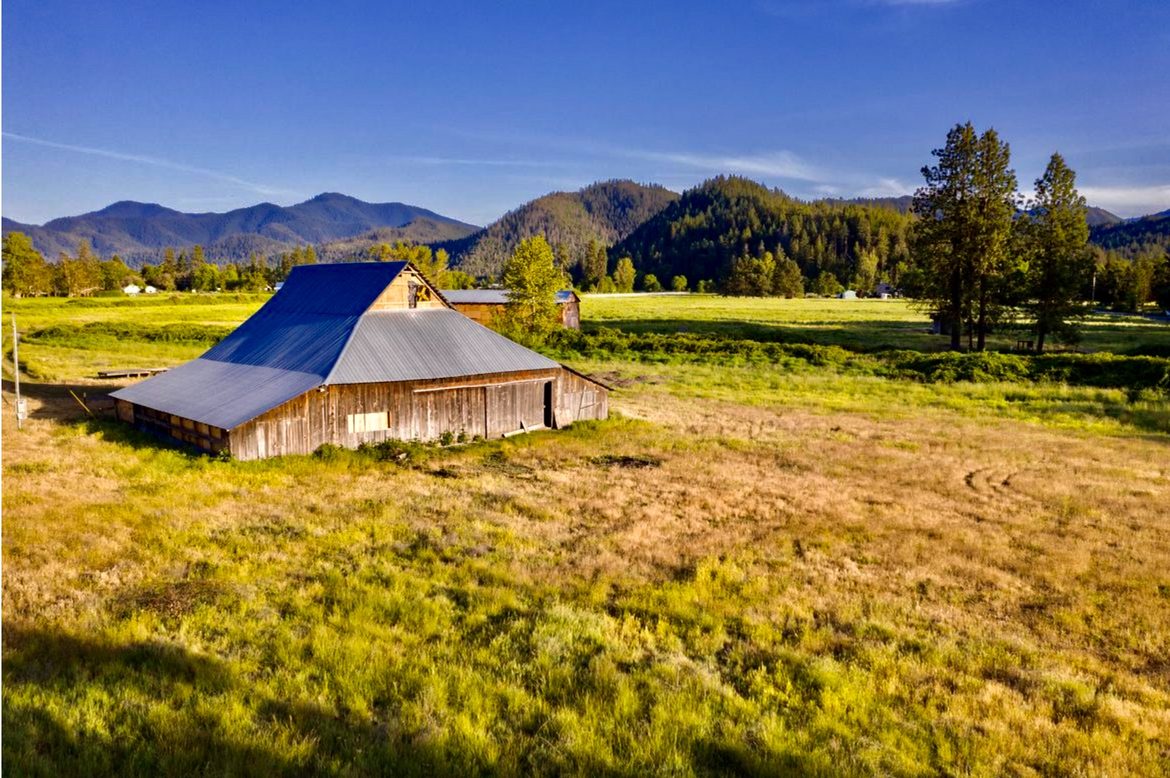
In most luxury markets, the house sets the price. In Southern Oregon, the land does. Buyers who settle in the Rogue Valley, around Jacksonville, Ashland, and the Applegate Valley, care less about a 6,000-square-foot mansion on an acre and a half than about what surrounds the house: a creek, a stretch of river, a view across the vines.
Alan DeVries, a broker with Cascade Hasson Sotheby’s International Realty in Jacksonville, sees that priority in nearly every sale. His buyers want privacy and elbow room, and they find both within reach of a wine region USA Today readers recently voted the nation’s best and one of the West’s great salmon and steelhead rivers.
Land Sets the Value
That emphasis on setting shapes what a high-end property looks like here. A typical luxury estate sits on 5 to 12 acres, with a newer house of 3,000 to 4,000 square feet, and trades from about $1.2 million to $2 million and up. Those numbers describe the frame, though, not the appeal.
What separates one property from another is what DeVries calls “sizzle factors.” A creek running through the land. A couple hundred feet of Applegate River frontage, a vineyard view, or a short drive into downtown Jacksonville. Many buyers also want a second dwelling on the property for extended family or for friends visiting from California, five hours to the south.
The preference reflects what buyers leave behind. Many arrive from large metropolitan areas, where even an expensive house sits on a quarter-acre lot. In Southern Oregon, the same budget buys acreage, water, and a view.
A Home With Some Vines
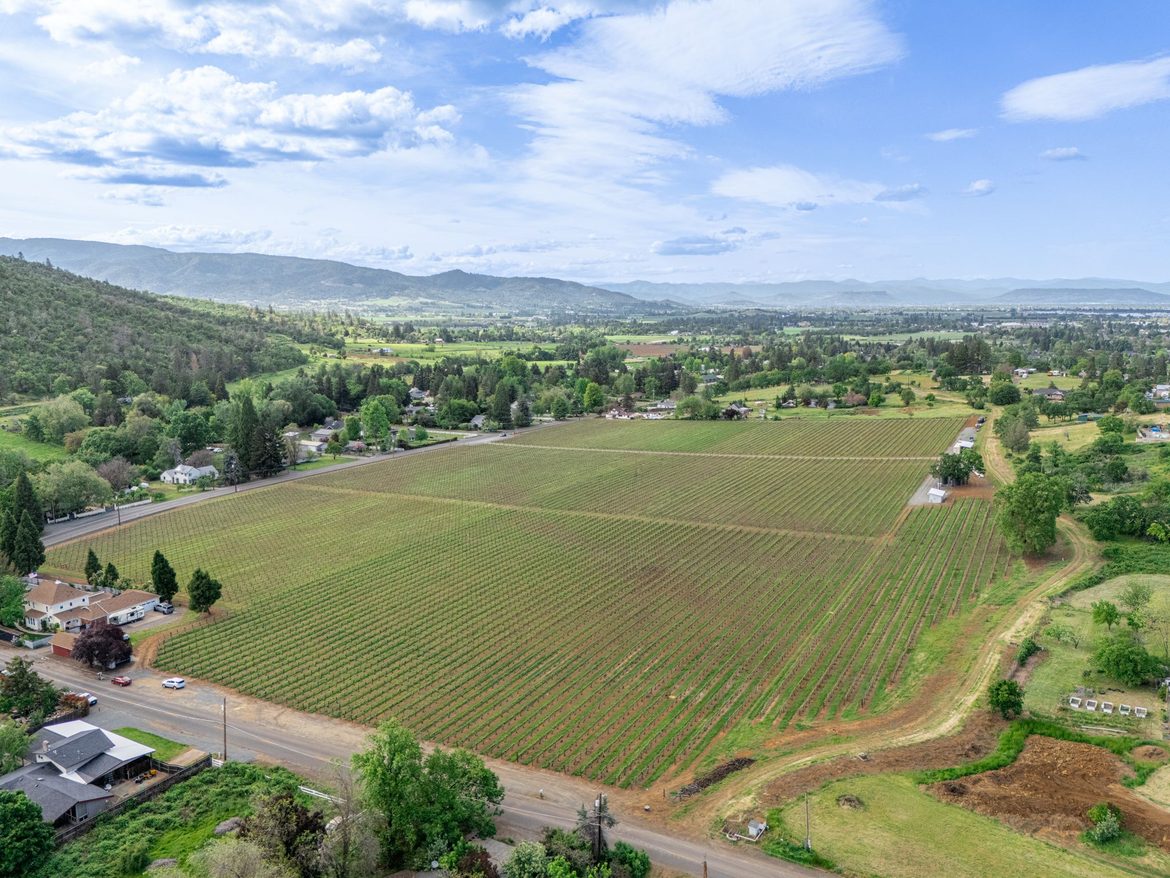
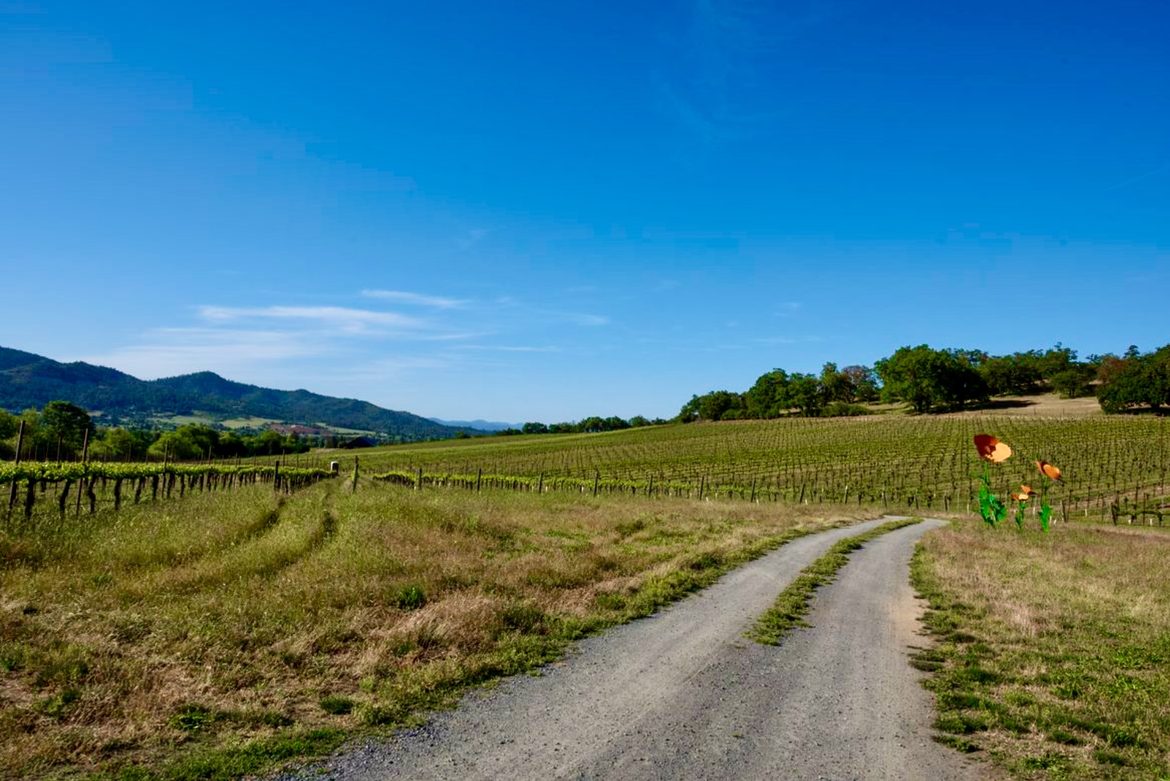
For many buyers, the most coveted sizzle factor is a vineyard. DeVries describes a typical vineyard buyer as someone nearing retirement who has carried the idea for decades and is finally in a position to act on it. “Most of them are at the age where they’re healthy and they’re vibrant,” he says, “and they want to do something different with their life.” Others come from farming itself, trading thousands of acres of almonds or tomatoes in California’s Central Valley for a different kind of crop.
Few of these buyers want a working winery. Most want a house with a few acres of grapes, and local vineyard management companies let them stay as involved or as hands-off as they like. An owner can join the harvest one year and simply watch it from the front window the next. With about 15 acres of contiguous vines, DeVries notes, a property can also support a tasting room.
The wine itself backs up the ambition. In 2026, USA Today’s 10Best Readers’ Choice Awards named the Rogue Valley the No. 1 wine region in the country, up from No. 2 the year before. The Applegate Valley, a sub-appellation within it, averages about 25 inches of rain a year, with warm days and cool nights. Growers irrigate from rivers and districts, and the long, dry season means less mold and mildew than in the wetter Willamette Valley to the north. Some 80 varietals grow in the area, led by Bordeaux and Rhône grapes. “I would put Oregon wine up against any wine in the world,” DeVries says.
The price of entry puts that life within reach. Planted vineyard land here runs about $25,000 to $40,000 an acre, a fraction of what comparable land commands in Napa Valley. Oregon’s land-use rules also limit how farmland can be divided, so vineyard estates tend to stay whole — and the open landscape that draws buyers stays open.
Valley and Village
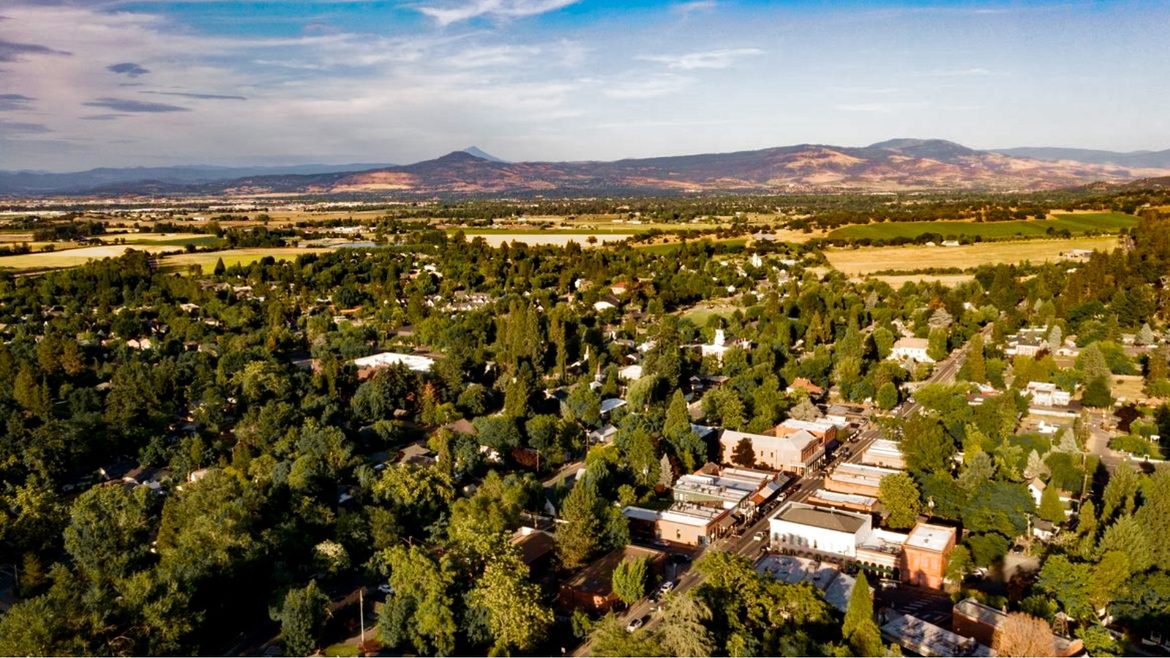
Those vineyards cluster in the parts of Southern Oregon that buyers seek most, and DeVries names three. Each offers a different version of the same life: rural acreage in the Applegate Valley, historic small-town living in Jacksonville, and a full cultural calendar in Ashland.
The Applegate Valley runs about 50 miles from the California border to the Rogue River west of Grants Pass. It is lush and green, with a microclimate that keeps it above the fog for most of the winter. Vineyards, wine estates, and tasting rooms line its roads, and nearly 20 wineries belong to the Applegate Valley Wine Trail. This is where most of the region’s estate properties sit.
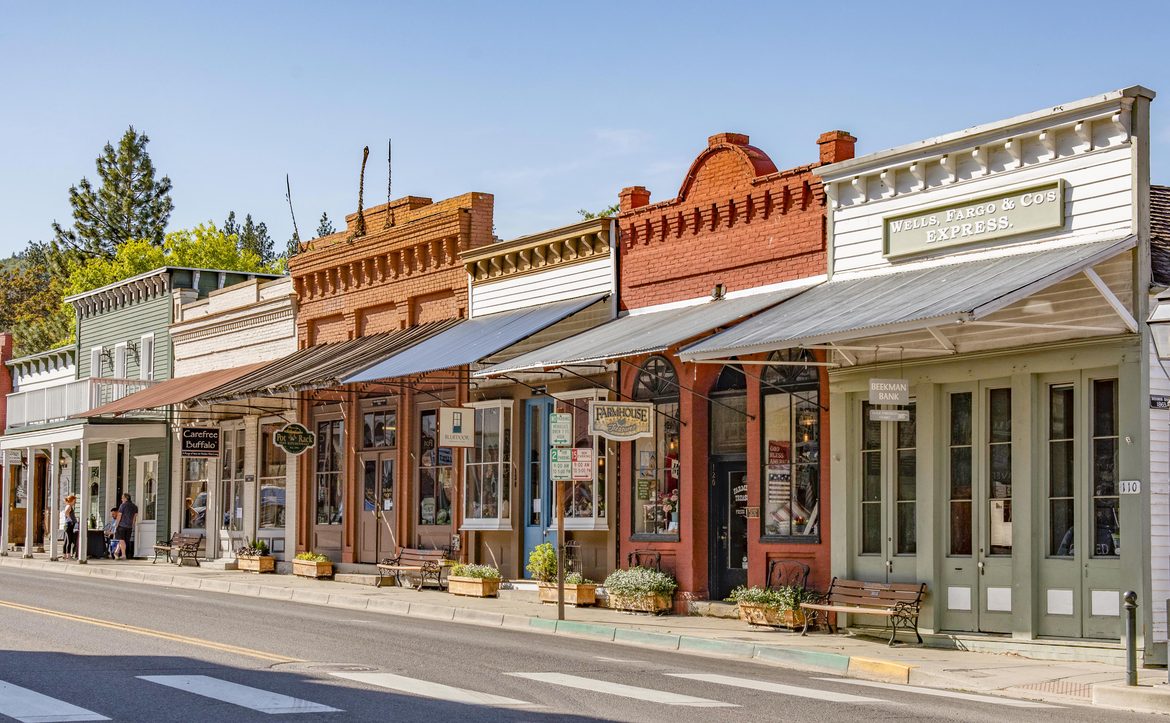
Jacksonville, by contrast, offers village life. Miners founded the town after discovering gold in 1851, and in 1966 it became the first National Historic Landmark District on the West Coast. The district covers 326 acres, and more than 100 of its buildings appear on the National Register of Historic Places. The city reviews most exterior changes to its historic structures, which keeps the town’s character intact. For residents of this community of about 2,800, that means a walkable, dog- and family-friendly downtown that looks much as it did a century and a half ago.
Ashland completes the trio. The town draws residents for its restaurants and an arts scene that includes the Ashland Independent Film Festival each April, and for Mount Ashland, the ski area just above town.
Life on the Rogue
Beyond the towns, rivers and mountains shape much of daily life. The appeal lies in the contrast: a mild home base, with only a few days over 100 degrees and a couple of inches of snow a year, and dramatic country within an easy drive. More than 60 rivers lie within an hour of the valley.
The Rogue River leads them. Sport anglers have prized its salmon and steelhead since the late 1800s, and the river still carries native chinook salmon, which return in separate spring and fall runs, along with coho salmon and both summer and winter runs of steelhead. From midsummer through the holidays, residents can fish the upper Rogue for steelhead in the morning and still make curtain time or a tasting-room reservation that evening. Rafting and boating fill the rest of the season.
The lakes offer a cooler alternative. Emigrant Lake sits just outside Ashland, and Lake of the Woods, about an hour away, is a high mountain lake where summer days rarely pass 90 degrees and outdoor concerts draw crowds. Crater Lake National Park, an hour and a half from the valley, holds the deepest lake in the United States, at 1,943 feet, and averages more than 40 feet of snow a year. The Pacific coast is two hours west.
“I’ve sold properties to folks that can live anywhere,” DeVries says, “and they say, ‘Alan, this is a paradise that is not found other places.’”
Summer Stages and Long Tables
When the day outdoors ends, social life gathers around two festivals and a dining scene with deep roots. In Ashland, the Oregon Shakespeare Festival opened its 91st season in March 2026, with 10 productions running in repertory across three theaters through late October. Residents treat it less as an event than as a season, returning for play after play from spring into fall.
In Jacksonville, the Britt Music & Arts Festival has staged summer concerts since 1963 on the hillside estate of Peter Britt, a 19th-century photographer who also planted some of the first grapevines in Southern Oregon. The lawn forms a natural amphitheater among ponderosa pines and madrones, and the lineup runs from the festival’s own orchestra to headliners such as Willie Nelson and Bonnie Raitt. Concertgoers arrive early to picnic on the hill, and a sold-out show can double the town’s population for the night.
The region’s restaurants share that sense of history rather than a single signature cuisine. “We have everything here, and it just depends on what your palate is calling for,” DeVries says. In Jacksonville, the Bella Union occupies the site of an 1860s saloon, and diners sit on a patio beneath a sprawling wisteria — “an ambiance that you can’t replicate without time,” in DeVries’s words. Nearby, Back Porch Bar & Grill has served Texas-style barbecue since 1988. In Ashland, Omar’s has operated since 1946; its founders, Omer and Hazel Hill, kept the misspelled sign that arrived for the building, and the town’s oldest restaurant still carries the name. For a more formal evening, Alchemy, inside the historic Winchester Inn, earned a Wine Spectator Award of Excellence in 2026.
The wineries complete the picture by serving food alongside their wines. At Red Lily Vineyards, guests cross a small bridge over the Applegate River to taste Spanish-style Tempranillo on a lawn that runs down to the water; DeVries says the winery draws more than 2,000 visitors on Mother’s Day alone. Outside Medford, Dos Mariposas pairs its wines with lavender fields, live music, and tacos.
For buyers who spent decades imagining a life among the vines, the Rogue Valley offers what the dream alone never could: the land to live it.
About the Expert: Alan DeVries is a broker with Cascade Hasson Sotheby’s International Realty in Jacksonville, Oregon, where he leads The Hoof & Vine Real Estate Team and serves with Matt Cook as one of the company’s Farm, Ranch & Vineyard Directors. He specializes in farm, ranch, recreational, vineyard, and waterfront properties in Southern Oregon.
This article is intended for informational purposes only and does not constitute legal, financial, or investment advice. The views and opinions expressed herein reflect those of the individuals quoted and do not represent an endorsement of any company, product, or service mentioned. Readers should conduct their own due diligence and consult qualified professionals before making any investment decisions.
Hero Image Photo Credit: Dillon DeVries