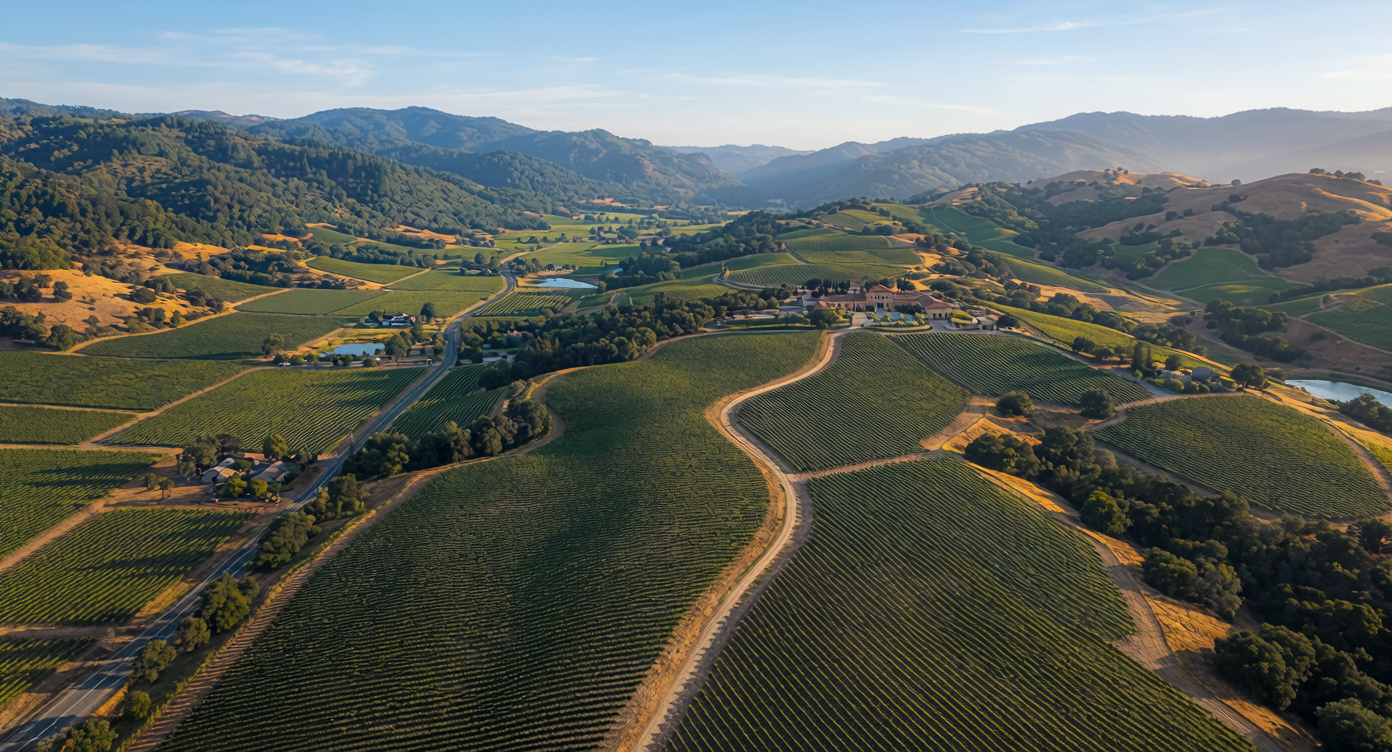
For many buyers, Napa Valley starts as a daydream. Once they arrive, they find a life built on far more than wine, protected by land rules that make every existing parcel more precious.
By Chris Caggiano
By midmorning, the fog has lifted off the Mayacamas Mountains, and the valley floor turns from silver to green. Cyclists roll north on a car-free path beside rows of Cabernet vines. A line forms outside a Yountville bakery, and tasting-room doors swing open along Highway 29. Up valley, St. Helena’s Main Street fills with errands and school drop-offs, and farther north, Calistoga’s mineral springs steam in the cool air.
For many people, Napa Valley is less a destination than a daydream: the place they picture themselves living after one more visit, one more harvest. A growing number now act on that picture. Josh Dempsey, Napa County Regional Director for Vanguard Properties, works with buyers from Los Angeles, Orange County, the Bay Area, New York, Chicago, and Texas. Many of them tell him the same thing: somewhere on the drive up Highway 29, the tension in their shoulders starts to let go.
Dempsey places Napa Valley’s luxury market between roughly $3 million and $10 million, with ultra-luxury above $10 million. What buyers find at those prices goes well beyond the wine that made the valley famous, and the same rules that keep it beautiful also make it one of the hardest places in the country to buy land.
Country Living, City Sophistication
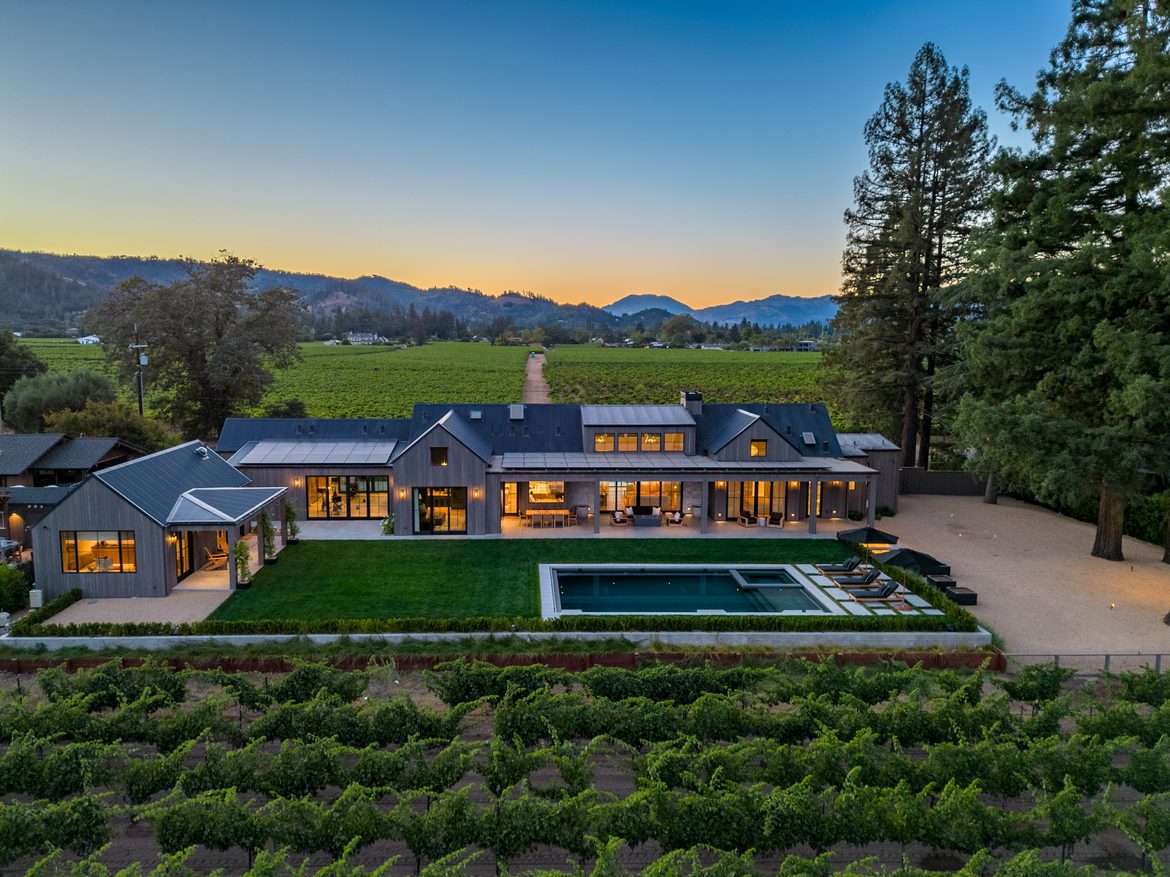
Wine draws people to Napa Valley, and Dempsey expects it always will. The valley produces some of the best wines in the United States. But he argues that the deeper appeal lies in a combination few places can match: open land and low density, paired with the dining and hospitality people usually find only in major cities. Buyers trade traffic and crowds for vineyards and quiet, and they still have exceptional restaurants and first-class shops and services close at hand.
The dining alone would anchor most towns. In Yountville, The French Laundry has held three Michelin stars every year since 2007, and Thomas Keller’s Bouchon and Ad Hoc sit a short walk away. In St. Helena, Meadowood has long served as a gathering place for the valley’s social and cultural life.
The cultural calendar runs deeper than many visitors expect. BottleRock brings a Memorial Day weekend music festival to the Napa Valley Expo and treats its food and wine as seriously as its headliners. Festival Napa Valley recently marked 20 years of classical and performing arts, and Yountville’s Lincoln Theater and Napa Valley Museum keep the arts going year-round.
The weather invites residents outdoors in every season, with winter rains and warm summer days. Hiking and mountain biking trails thread the hills. On the valley floor, the Napa Valley Vine Trail now covers about 33 of a planned 47 miles between the Vallejo ferry terminal and Calistoga, with completion targeted for 2028. For Dempsey, who has ridden bikes his whole life, the trail removed a small but real obstacle. He no longer has to load a bike onto a truck and drive to a trailhead. He rolls out from home onto a wide, car-free path and rides 20 miles with a friend, talking the whole way.
Four Towns, Four Ways of Life
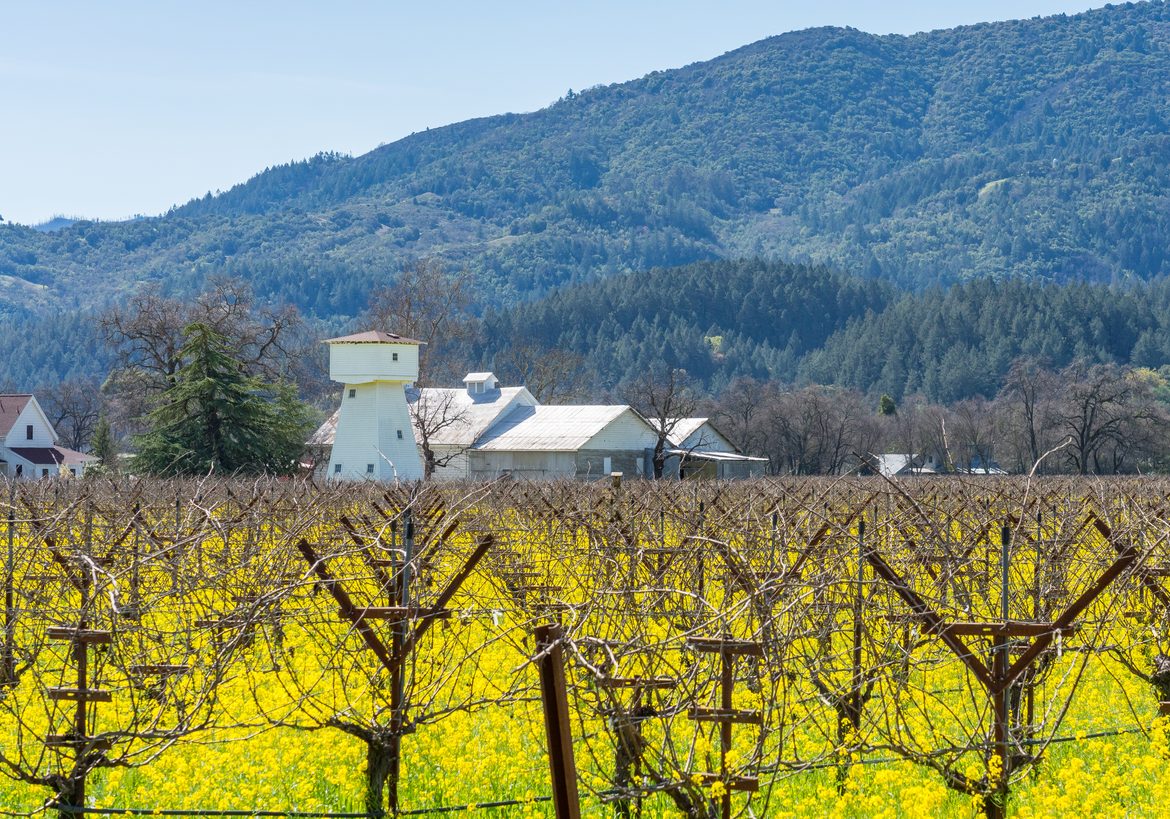
That Napa Valley lifestyle takes a different shape depending on where a buyer lands, because each of the valley’s four towns has its own character. Napa, with nearly 77,000 residents, serves as the valley’s city, with a bustling downtown and the BottleRock music festival on its calendar. Yountville, home to about 3,300 people, is the smallest of the four. It is also the most walkable: residents stroll from home to dinner, wine tastings, and the shops of V Marketplace, or ride the Vine Trail to downtown Napa.
St. Helena has long been the center of the valley’s wine world and still feels like small-town America, with grocery stores, schools, and an old movie theater. Calistoga, at the north end of the valley, has a more laid-back air and a close-knit community.
Buyers sort themselves just as clearly. Dempsey describes four broad profiles. Some want a bungalow on a quarter acre in Yountville or downtown St. Helena, where the town itself is the main amenity. Others want three to ten acres on the valley floor, perhaps with a few rows of vines, close to Highway 29 or the Silverado Trail. A third group wants 50 acres on a mountaintop and near-total privacy. The fourth buys a home within a resort, where the resort’s operator manages the property. These groups rarely overlap.
“Somebody that’s looking at a Four Seasons probably isn’t going to end up on the top of a mountain,” Dempsey says.
Many buyers find their ideal town through a resort stay. A guest who keeps returning to Solage often comes to love Calistoga, while a regular at Bardessono may start imagining a walkable house in Yountville. Dempsey treats the search as a period of discovery, especially for buyers new to the valley. Those who want to build will face a steeper road. Land comes up for sale regularly, but prime buildable parcels rarely do, and a custom home can take several years and cost more than an existing one. “You really have to want it,” he says.
Scarcity Written Into Law
Whichever setting a buyer chooses, the law fixes its supply. On April 9, 1968, the Napa County Board of Supervisors created the first agricultural preserve in the United States. The compromise let the towns keep their own planning and building departments and grow as they saw fit.
Meanwhile, the county restricted development on the land it controlled, which Dempsey puts at more than 90 percent of the county. The county’s large minimum parcel sizes, on the valley floor and even larger in the hills, mean that owners outside the towns can almost never divide land into new lots. In practice, the valley’s map of properties has stayed largely fixed for decades, and it will likely remain that way.
The preserve has only grown since its founding, and the county has never removed land from it. Voters have also put that protection beyond the reach of any single county board: since 1990, converting farmland to other uses has required a countywide vote, and voters renewed that rule in 2008 for another 50 years. For buyers, that means the valley’s open landscape is not a passing condition of the market. It is a lasting feature, protected for decades to come.
The result is a valley with abundant open space and almost no way to create new parcels. That fixed supply sets a high barrier to entry, and it makes the right existing parcel extremely valuable, particularly one with beautiful vineyard neighbors.
Within the preserve, the residential rules are permissive. An owner can build a main home with no fixed size cap, limited mainly by setbacks and septic capacity, along with an accessory dwelling unit and agricultural barns. Parcels created before 1968 can fall far below today’s minimums, some as small as a third of an acre, and still carry the right to build. Owners can also reshape parcels through a lot line adjustment. Dempsey offers an example: the owner of one acre buys two acres from a 100-acre neighbor, and the two redraw their shared boundary. No new parcel comes into being, but the smaller owner gains far more land to work with.
Resort Living Without the Upkeep
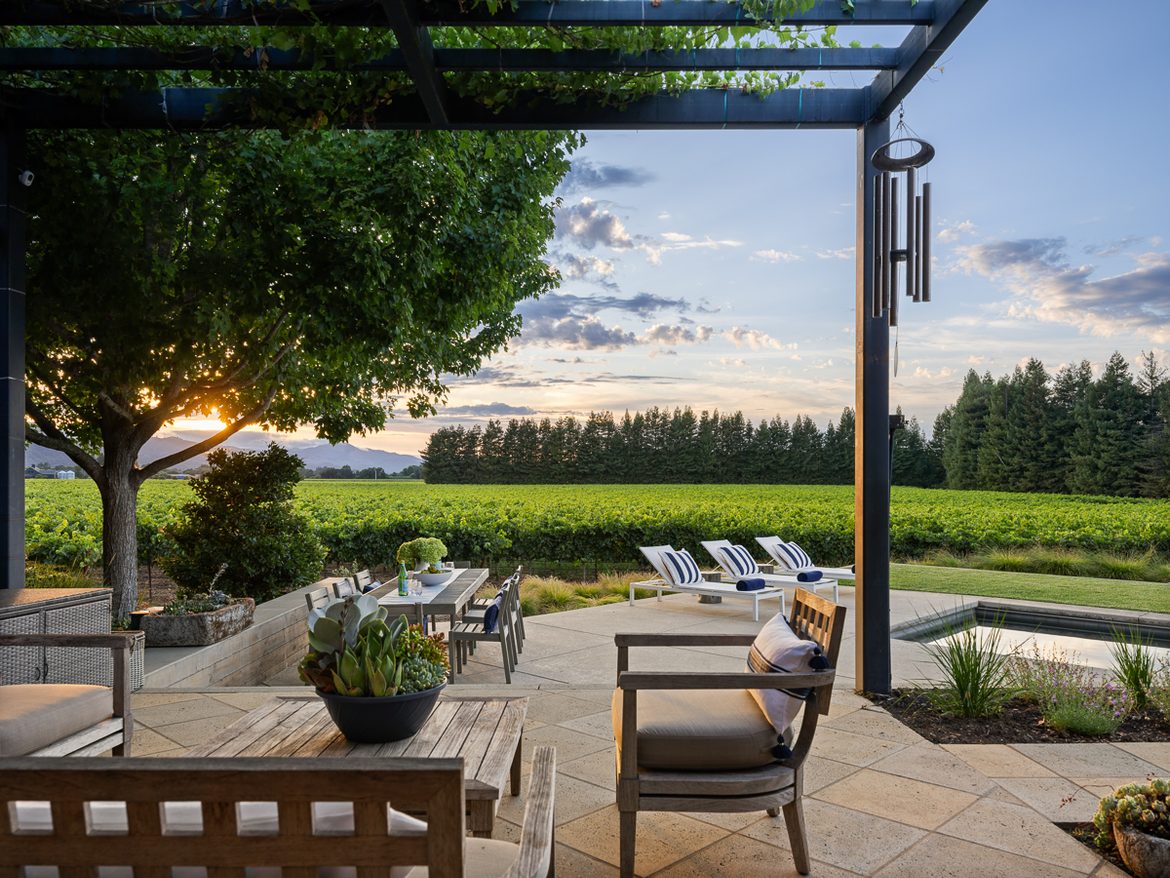
The same rules explain where the valley’s resorts stand. Each one, Dempsey notes, has its own story of how it came to be, because no one can simply create a new resort site in the unincorporated county. Most of them sit inside town limits, where development rules are looser. Others built on historical entitlements. Calistoga Ranch, where Dempsey once directed real estate sales, grew from a former campground and RV park whose recreational zoning made a resort possible. Without that history, he says, the resort could never have been built. The 2020 Glass Fire destroyed it, and a developer has since applied to rebuild it on the same footprint.
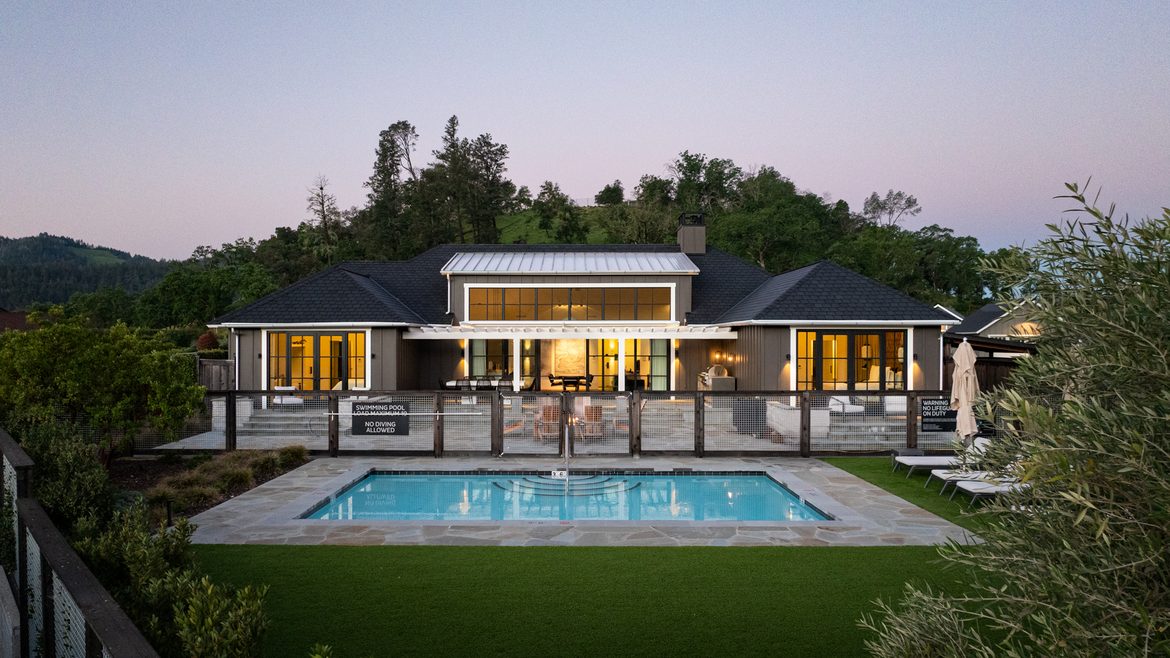
Branded residences answer a practical problem for second-home owners. A country house that sits empty for weeks still needs landscaping, pool care, housekeeping, and repairs. In a branded residence, a single operator handles all of it for both the hotel and the homes. Owners also gain a brand that guests and future buyers recognize instantly, and they typically gain the option to rent their homes out. Dempsey estimates that 40 to 50 percent of owners use the rental program, and the right stays with the property when it sells, whether or not the seller ever used it.
The valley’s offerings keep growing. Four Seasons Resort & Residences Napa Valley opened in Calistoga in 2021, with 85 guest rooms and 20 private residences among its vineyards; the residences launched with asking prices from $3.5 million. Auberge’s Stanly Ranch followed in 2022 in the Carneros region at the valley’s southern edge, where residence prices have started at roughly $3 million to $6 million. Next comes Rosewood Calistoga, scheduled to open in 2027 on 118 acres of forested ridgeline, with 20 private villas and 13 homesites. Bay Area tech buyers have taken note: by one recent account, they now make up the vast majority of buyers at Stanly Ranch’s fully managed residences.
From Weekend Place to Home Base
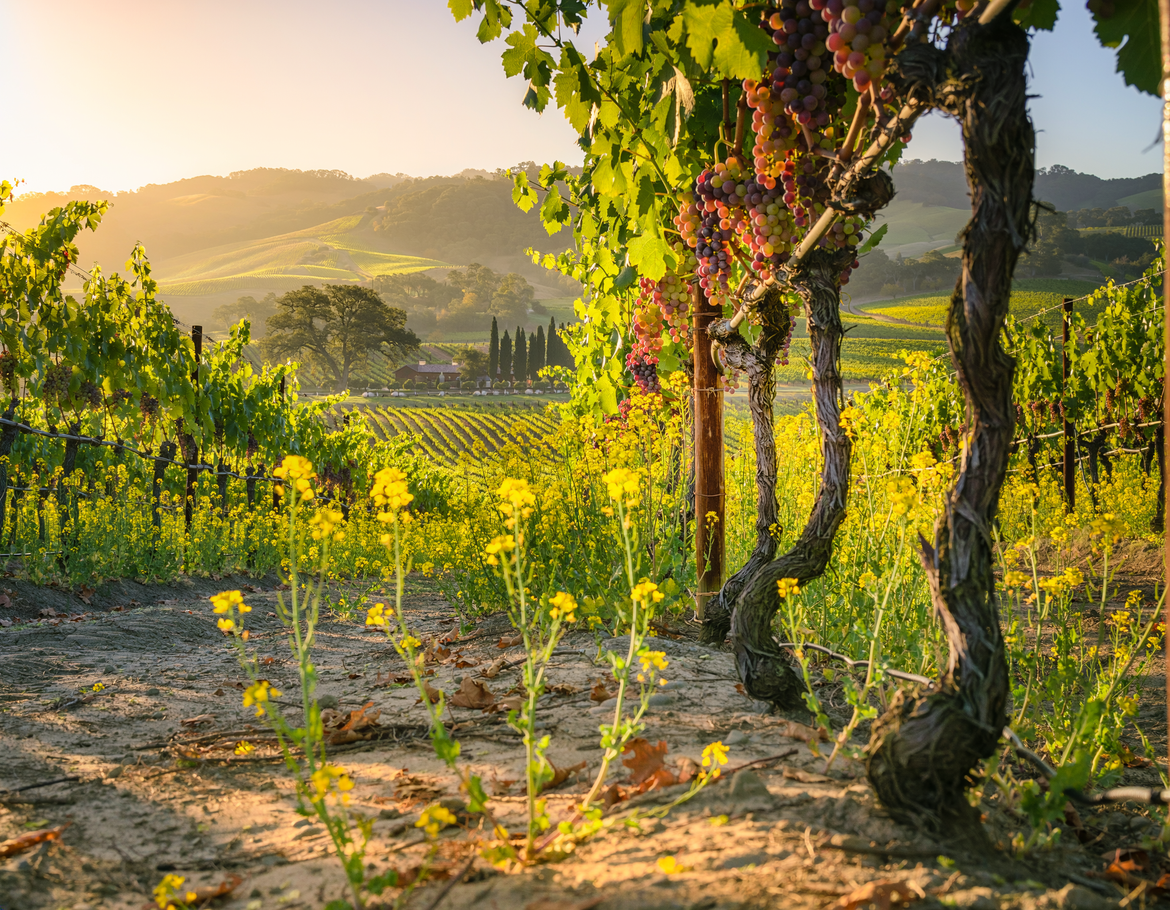
For a growing share of owners, the second home doesn’t stay second for long. Napa Valley still runs mostly on second-home ownership, but Dempsey has watched that balance shift over roughly the past five years. Remote work, which took hold during the pandemic, freed buyers who once had to live within 30 minutes of San Francisco or 45 minutes of San Jose. Some of them now live in the valley full time.
New wealth adds momentum. Dempsey compares the fortunes coming out of the AI boom to a wave spreading from a storm centered on San Francisco. It reached Marin and the East Bay first and is now arriving in Napa, Sonoma, Carmel, and Tahoe. He believes much of that wealth has yet to be created, and he has already seen large deals driven by it. Even buyers who could fly anywhere value a retreat an hour or two from home, one they can reach on any given day.
Dempsey sees a third group as one of the valley’s most important: the transitional buyer. These owners start with a couple of nights a week or every other weekend. Before long, they spend three, four, or five days a week in the valley, and the city home becomes the occasional stop, a pied-à-terre. Many eventually retire there. For them, the drive up Highway 29 that once marked the start of a weekend becomes, at some point, simply the drive home.
About the Expert: Josh Dempsey is Napa County Regional Director for Vanguard Properties, based in St. Helena and specializing in residential, vineyard, and winery properties in Napa Valley.
This article is intended for informational purposes only and does not constitute legal, financial, or investment advice. The views and opinions expressed herein reflect those of the individuals quoted and do not represent an endorsement of any company, product, or service mentioned. Readers should conduct their own due diligence and consult qualified professionals before making any investment decisions.