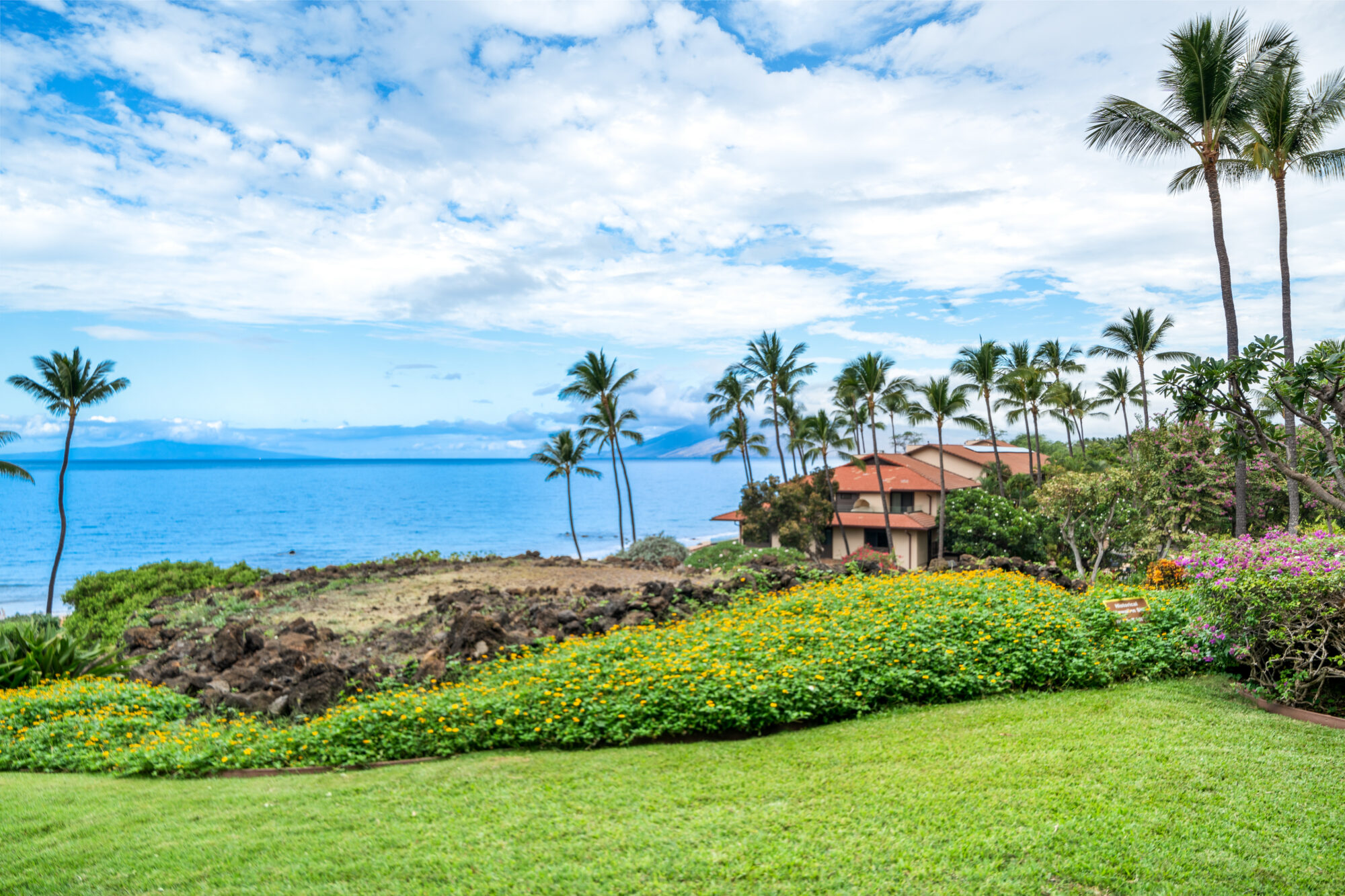
Resort enclave or surf town, oceanfront or hillside: the island’s top buyers choose a way of life as much as a home.
By Chris Caggiano
Buyers at the top of Maui’s market rarely start by choosing a house. They start by choosing a way of life: a master-planned resort with gates, golf, and a Four Seasons down the road, or a north shore surf town where the ocean, not the clubhouse, sets the schedule. Even within the resorts, the choice continues, between a home on the water and a gated estate above it. All of it plays out in a market that has recently redrawn its own upper tier.
The threshold itself has moved. Josh Jerman, a broker with Hawai’i Life who has built his business in the Wailea and Makena market for more than two decades, now places Maui’s luxury line at $10 million. Agents sometimes use the term at lower prices, he says, but on Maui those homes no longer qualify. The conversation once centered on $5 million, he notes, until the pandemic and rising values for new construction pushed that line up.
The Resort Enclaves
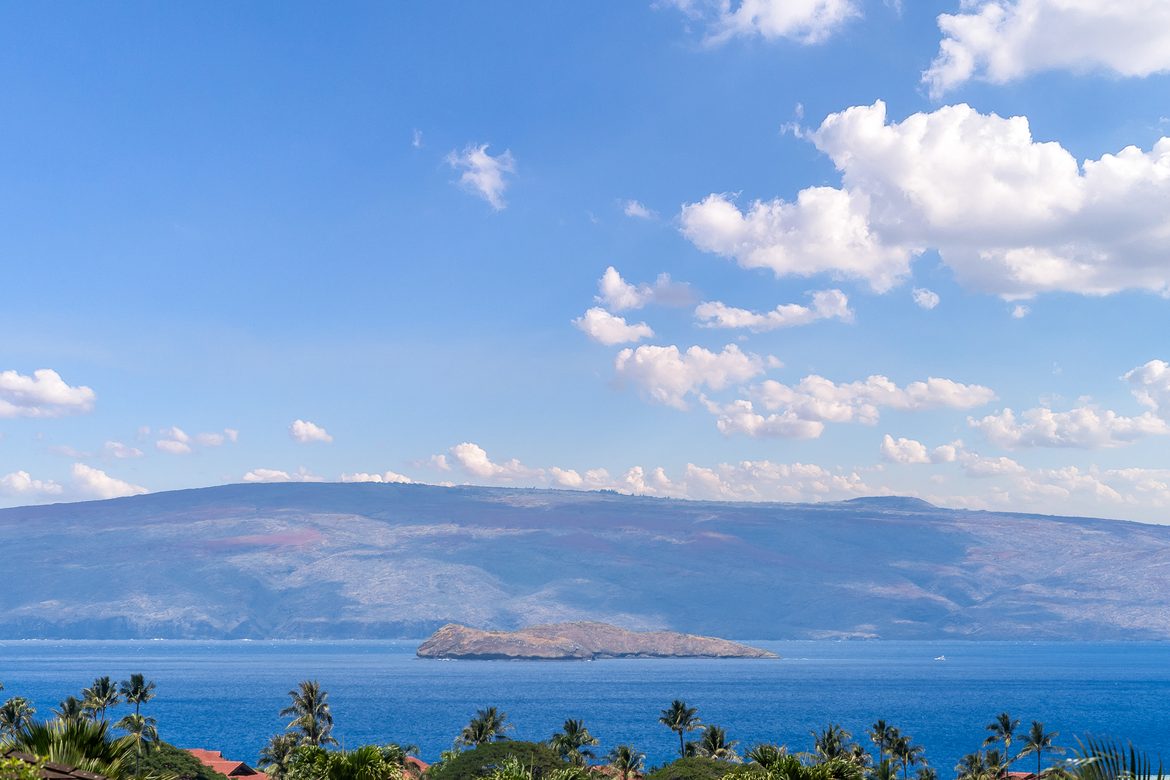
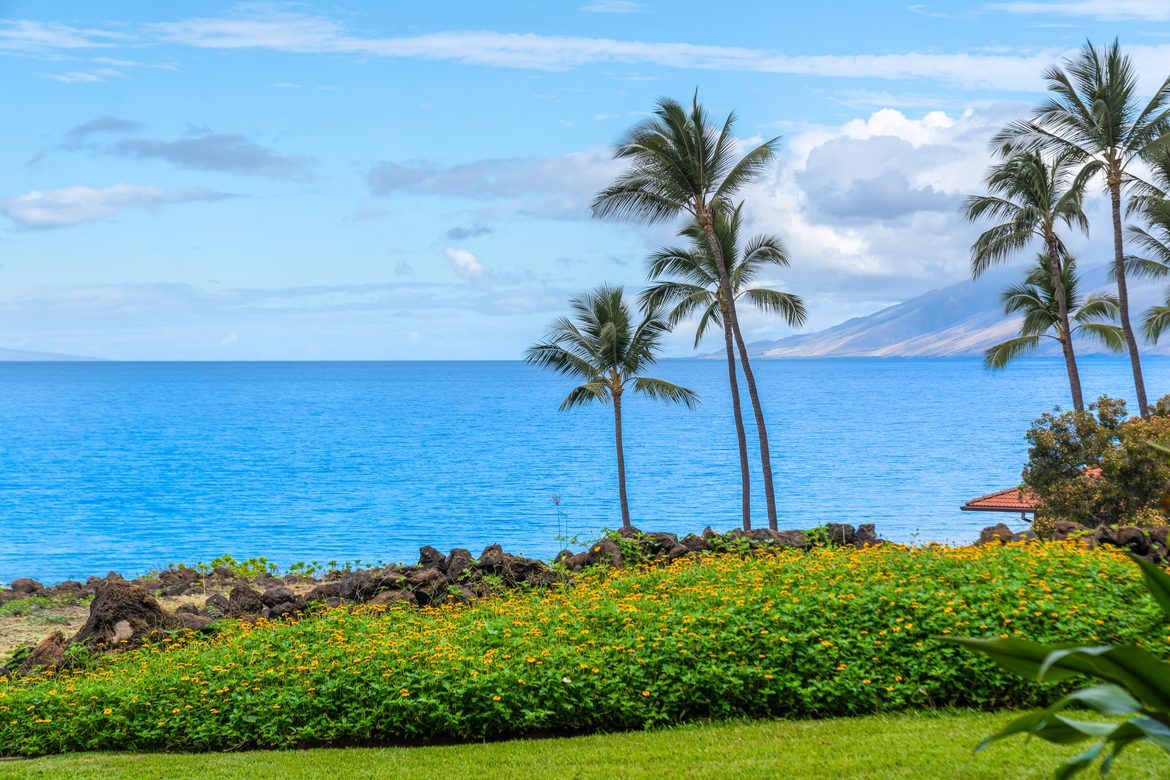
Most of that top tier concentrates in two master-planned resort areas. Wailea and Makena, on the south shore, typically see the island’s highest sales, Jerman says. The climate there stays mild and sunny for most of the year, and the setting delivers the Maui that most people picture: white sand, calm blue water, gated communities, golf courses, spas, and the Four Seasons, the Fairmont, and the Andaz within easy reach. Kapalua, on the island’s northwest tip, draws the same kind of buyer with two championship golf courses, a Ritz-Carlton, and a Montage.
Whether a buyer belongs in either one usually comes down to a single question. “A key question is whether they desire to be part of a master-plan resort,” Jerman says. Buyers who answer yes settle in Wailea, Makena, or Kapalua, and those who answer no look elsewhere on the island.
Shoreline or Hillside
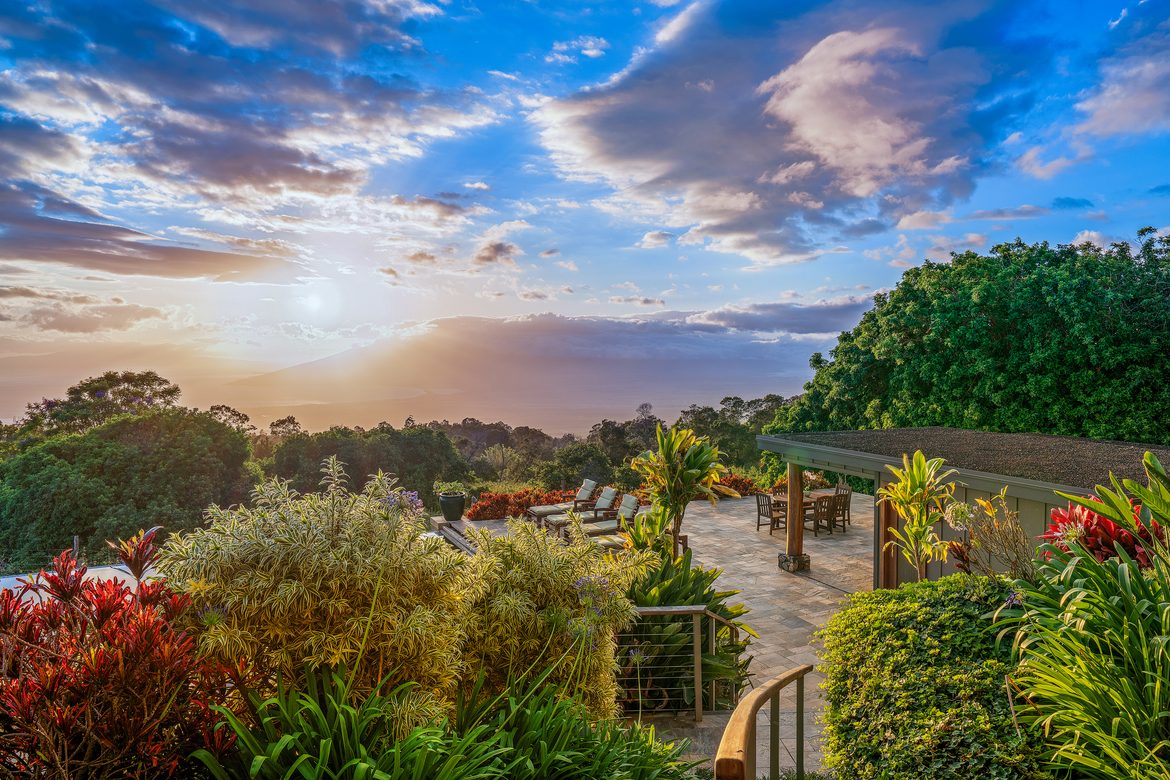
Within those enclaves, the decision that shapes the top of the market is whether to buy on the water at all. For some buyers, cost settles the question, because oceanfront property carries a steep premium. For those who can afford it, the deciding factor is privacy, which Hawaii’s public beaches make hard to secure on the water. “Unless you’re on the side of a steep cliff where it’s inaccessible, you don’t have that level of privacy that some seek being right on the water,” Jerman says.
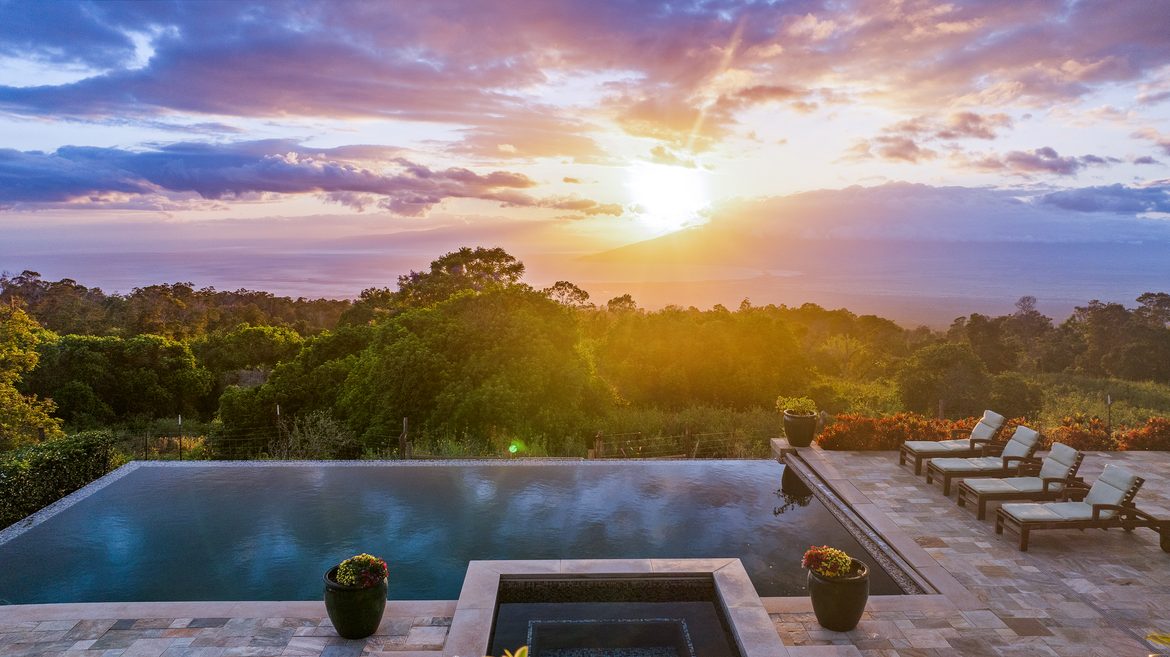
Buyers who prioritize seclusion therefore often move upslope, to a gated, fenced property set back from the ocean but commanding broad views of it. That move also changes how much land a buyer can own. In the resort areas, oceanfront lots typically run from a half acre to an acre, while estates up the hill can span two, five, or 15 acres or more. For buyers who want space as well as privacy, the hillside frequently wins.
Whichever way they go, buyers on Maui rarely face the leasehold arrangements common on Oahu, where a homeowner may own the house but not the land beneath it. Very little of Maui’s residential property sits on leased land, so buyers at the top of the market nearly always own the land along with the house.
The North Shore Alternative
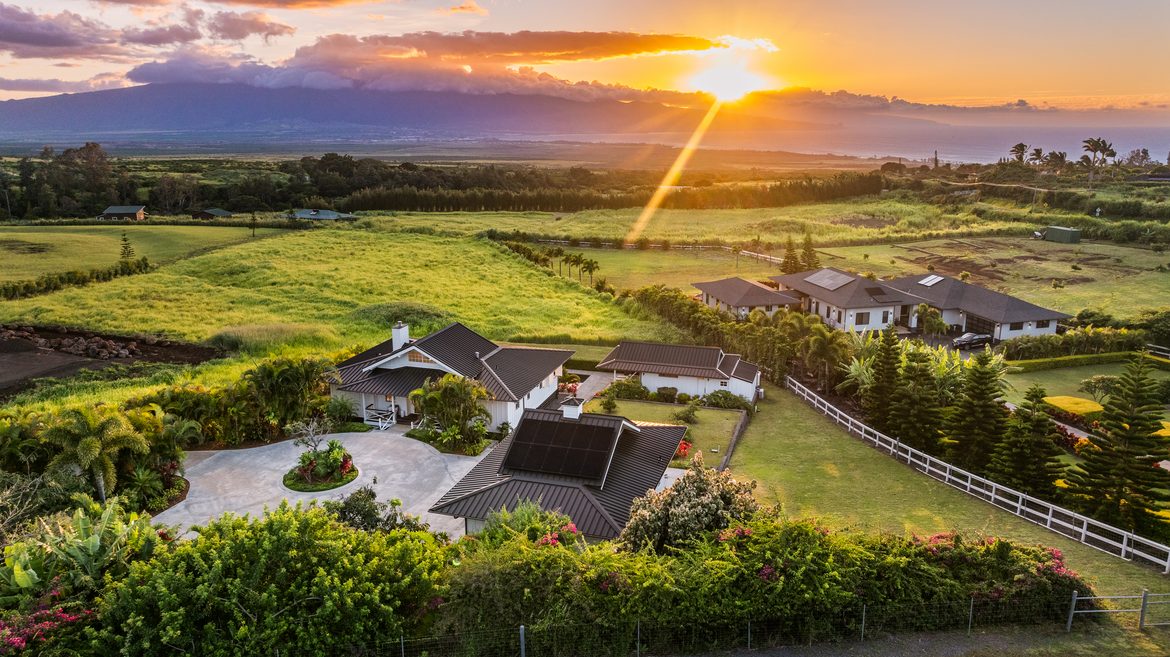
Not every affluent buyer wants a resort, and for those who don’t, the north shore offers an altogether different Maui. Around the bohemian town of Paia, the communities of Haiku and Spreckelsville trade resort polish for a laid-back surf culture. The north shore is also the wind-sports capital of the Hawaiian Islands, and buyers from the tech industry in particular have gravitated to it for wing foiling and kiteboarding. What they want, Jerman says, is a plantation-style home where they can launch a wing foil straight off the beach out front, with no homeowners association and no private club.
The two sides of the island attract such different buyers that few consider both, in much the way a New Yorker might choose between Manhattan and Brooklyn. The north shore offers a life more woven into the local community, one Jerman describes as “more trendy or more hip” and organized around the ocean rather than the clubhouse. He knows both worlds firsthand: he grew up upcountry, lives on the north shore, and runs his business from Wailea and Makena, which gives him a view of buyers moving across all three areas.
Living by Daylight
Whichever side of the island buyers choose, life on Maui follows the sun. Newcomers tend to reorient their days around health, wellness, and time outdoors: paddleboarding, golf, hiking, swimming, and hydrofoiling, which Jerman says is the latest craze. Jerman often hears from new residents that they feel healthier the longer they stay, and he credits the island’s early rhythm as much as its outdoor life. “We’re not a late-night environment,” he says. “Usually in bed by nine and then up early, and your rhythms are with what the sunlight is.”
That outdoor life also supplies much of the island’s social life. Many residents find their community in outrigger canoe paddling, while others join groups that kayak or stand-up paddleboard together. Some gather around marine life, through clubs devoted to the humpback whales and to marine preservation, and active hiking groups meet a couple of times a week to explore the island’s trails. Scuba divers can head straight from the shore in South Maui, where Makena Landing offers parking, showers, and easy entry into the water, and the popular Five Graves dive site lies just around the point.
An Island Within Reach
Maui’s compact size puts all of that variety within easy reach. Within the state, the island has a reputation as the happy medium: it offers luxury resorts and quiet communities alike without the overdevelopment of Oahu. It also lacks the distances of Hawaii Island, which is larger than all the other islands combined and tends to keep residents focused on their own corner of it. On Maui, a half-hour drive can carry a resident from the resort enclaves of the south shore to the surf towns of the north.
The rest of the state lies nearly as close. A flight of roughly half an hour reaches Oahu or Hawaii Island, so residents pick one home base and treat the others as easy escapes. Jerman’s own family has flown to Oahu countless times for holiday shopping over Black Friday weekend and travels to Hawaii Island for golf and a look at the volcano.
The same closeness made the 2023 wildfires in West Maui and upcountry a loss the whole island shares. As Jerman puts it, Maui is a small community whose residents care about one another. Three years on, the community is still recovering, and West Maui in particular faces years of rebuilding. Lahaina, the historic whaling town that served as the first capital of the Kingdom of Hawaii, lost far more than its houses: the fire also destroyed many of the 19th-century buildings that made up its historic district along Front Street. Jerman expects the work in Lahaina to take longer than residents would like, but he remains optimistic that the town will become something new and special.
That resilience reflects what draws buyers to Maui in the first place. The island asks them to choose between the shoreline and the hillside, the resort and the surf town, but whichever they pick, they gain the same things: days organized around the sun and the ocean, every corner of the island within a short drive, and a close-knit community that looks after its own.
About the Expert: Josh Jerman is a broker with Hawai’i Life on Maui, where he works with buyers and sellers in South Maui, the north shore, and upcountry.
This article is intended for informational purposes only and does not constitute legal, financial, or investment advice. The views and opinions expressed herein reflect those of the individuals quoted and do not represent an endorsement of any company, product, or service mentioned. Readers should conduct their own due diligence and consult qualified professionals before making any investment decisions.
All Photos: Maui Lightworks