Tech fortunes made the Bay Area a housing world unto itself long before AI arrived. The newest money is joining a discreet, private life of estates and century-old clubs.
By Chris Caggiano
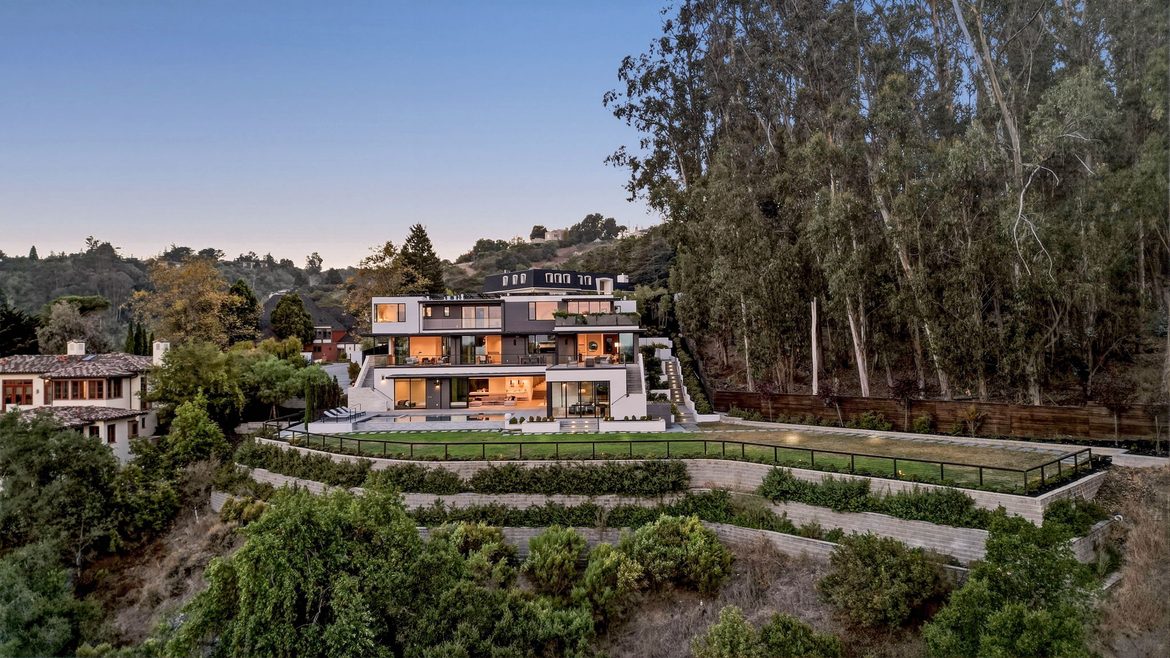
Life on the San Francisco Peninsula’s grandest estates unfolds mostly out of public view. In Hillsborough, narrow lanes wind uphill past tall hedges and iron gates, and the houses behind them rarely show more than a roofline.
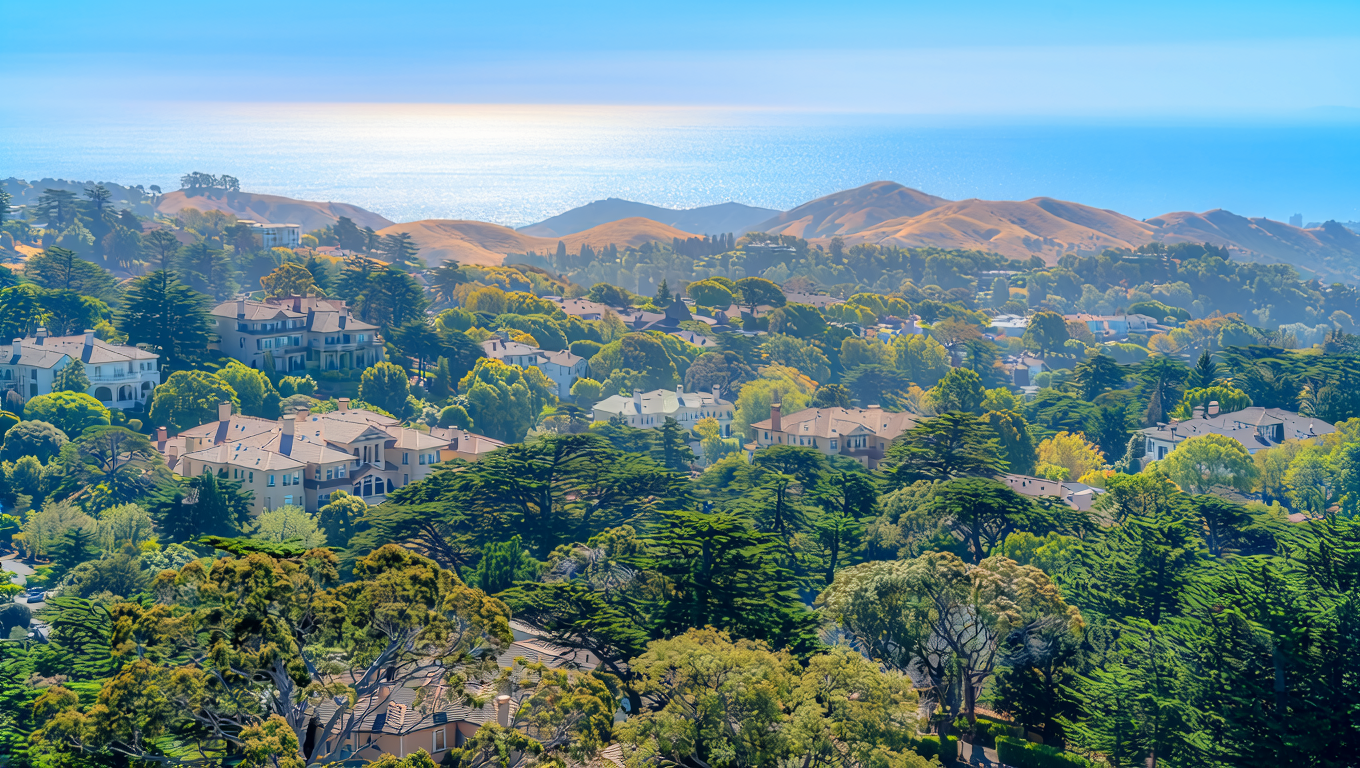
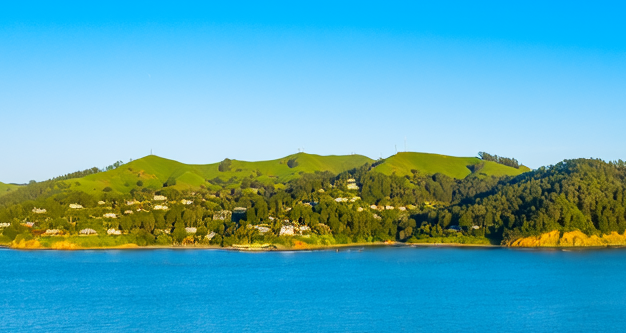
The landscape explains much of the appeal. The Peninsula runs south from San Francisco between two bodies of water, with San Francisco Bay along its eastern shore and the Pacific Ocean beyond a forested ridge to the west. The Peninsula’s wealthiest towns, Hillsborough, Atherton, Woodside, and Portola Valley, sit between the two on the inland slopes. Hillsborough climbs into wooded hills above the bay, and many homes there look east across the water, while the ridge behind them holds back much of the fog that blankets San Francisco.
This region has long played by its own rules. Generations of tech fortunes made it one of the country’s most expensive places to live well before artificial intelligence arrived, and the trends that move housing elsewhere in the country rarely set the terms here. Yet for all that money, the Peninsula remains a playground for the rich rather than the famous. Much of its wealth belongs to founders, engineers, and executives whose names few outsiders would recognize, and most of them prefer to keep it that way.
Built for Discretion
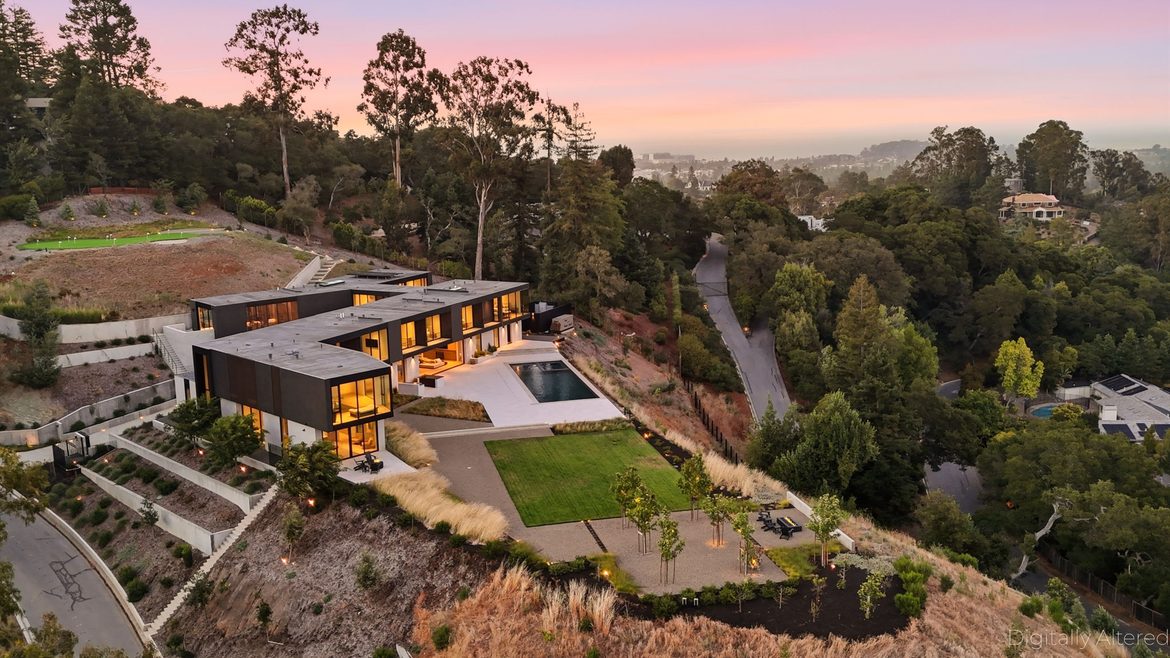
That appetite for discretion is built into the towns themselves. Hillsborough lacks shops, restaurants, and office buildings, because its zoning forbids them, and it requires half-acre minimum lots and 2,500-square-foot minimum houses. A few miles south, Atherton applies the same logic on lots of at least an acre. As a result, residents live in a series of rings that move from private to public: the estate itself, then the private clubs, and finally the lively downtowns just beyond the town lines.
The price of entry to that life keeps climbing. Phil Chen, president of Sybarite Luxury Realty in Burlingame, places the region’s luxury market at roughly $5 million and up and its ultra-luxury tier at $15 to $20 million and beyond.
New fortunes from artificial intelligence and the broader Bay Area tech economy have pushed those thresholds higher over the past year. Senior executives commonly shop between $20 million and $40 million, and even junior employees can spend $10 million now and expect to spend twice that once their companies go public. Founders operate in a category of their own. “They have no budget,” Chen says. “They’re just very particular about what they want.”
A Town for Every Stage
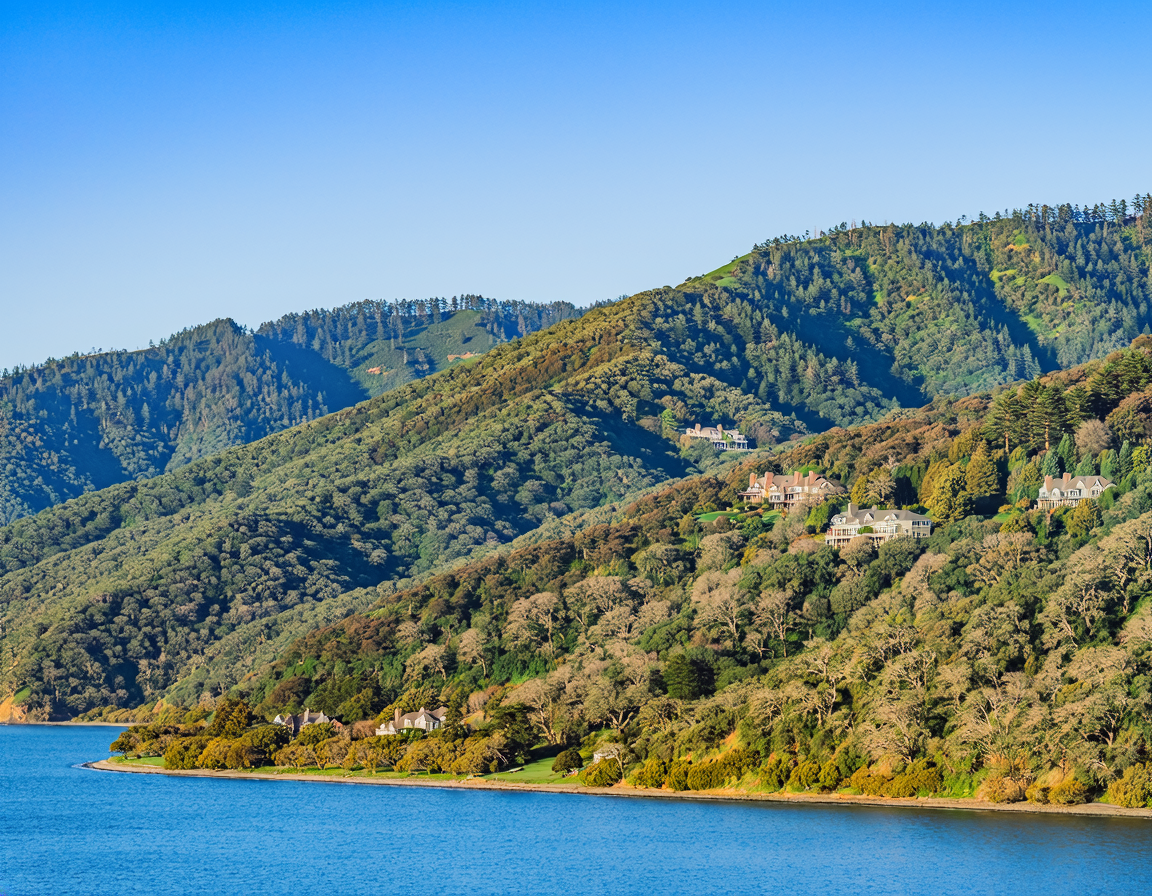
Even buyers with nearly unlimited budgets still choose among only a handful of towns, and on the Peninsula that choice tends to follow the arc of a buyer’s life. Hillsborough usually comes first. It is the closest town to San Francisco and the airport that offers large lots, strong schools, and warmer weather than the city, so younger buyers who work in San Francisco gravitate there.
By their early 40s, many of those buyers look farther south. Their children may now attend private schools near Atherton, and they want acres rather than half an acre. Atherton also sits close to Stanford and carries the Palo Alto name, which many international buyers recognize. Buyers drawn to nature and open land go farther still, to Woodside and Portola Valley, where lots of three acres or more are common.
At the very top of the market, buyers often own homes in more than one of these towns at the same time. Chen sees families who keep their primary estate in Woodside or Atherton and buy a second home in Hillsborough to stay close to a child’s private school there. For those households, the Peninsula functions less as a set of separate towns and more as one extended property.
New Money, Old Houses
Wherever they settle, the newest buyers treat the house itself as their first line of privacy. Younger buyers and newly wealthy founders are especially attentive to security, and Chen sees them plan homes around the people who protect and serve them. They ask where security staff will stay, and they want a separate service kitchen so caterers can work out of sight during parties. “I don’t want my friends to see all my staff,” is how Chen sums up the request. In new construction, buyers often bring in their security teams to wire the house before the walls close.
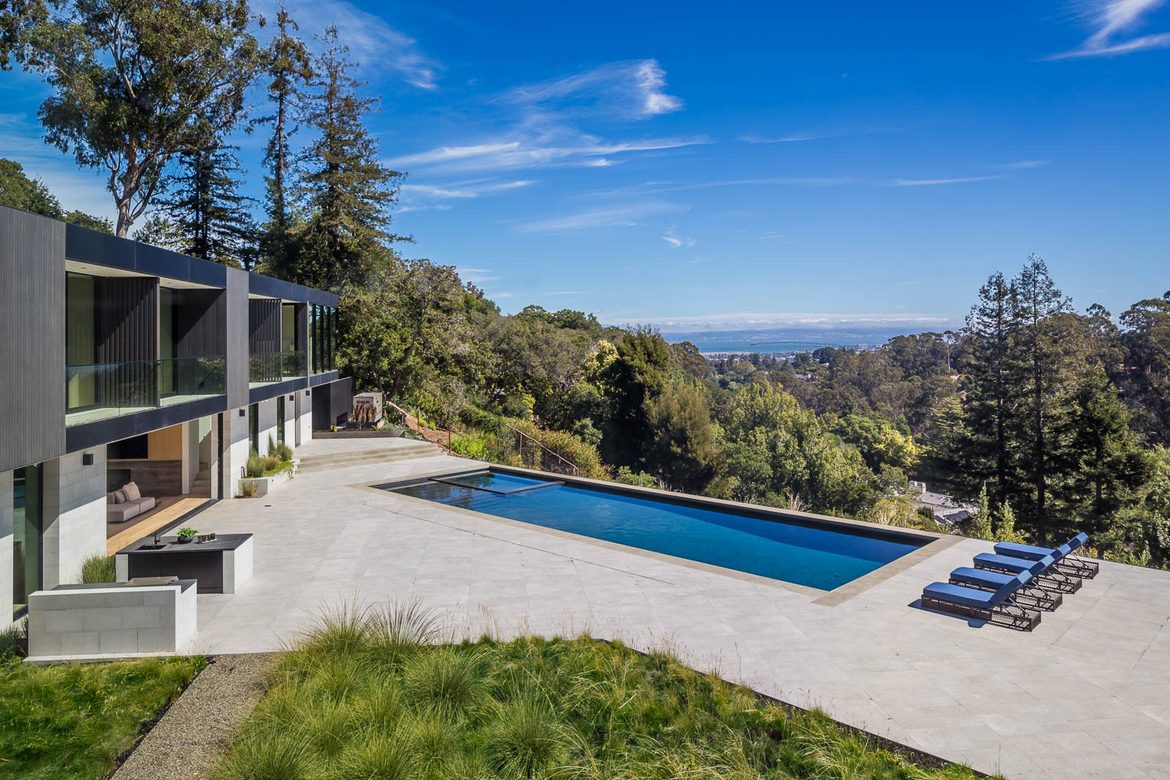
Tastes are shifting as well. For roughly five years, buyers favored contemporary modern design, but Chen now sees more of them seek warmth and architectural pedigree, such as a home by a notable architect or designer. Couples frequently split on the question, with one spouse drawn to modern lines and the other to history. Whichever side wins, Hillsborough offers both styles, since its older pockets hold Tudors and Mediterraneans from the 1930s, while neighborhoods developed in the 1970s and 1980s offer sites that buyers often rebuild or remodel extensively.
Pedigree, however, rarely outweighs quality. Buyers still want homes that are updated and ready to occupy, so the most desirable properties pair old-world character with modern systems. That preference matters most in Woodside and Portola Valley, where securing approvals for a major new house can take years. A finished, updated home there holds its value because few buyers want to wait that long, while Atherton permits building more readily and Hillsborough falls somewhere in between.
Clubs Before Towns
If the estate forms the innermost ring, the clubs form the next one out, and some of them are older than the towns that surround them. Wealthy San Franciscans founded the Burlingame Country Club in 1893 as a country retreat for polo, hunting, and golf, and Hillsborough grew up around it. It still sits at the center of Hillsborough, and it remains more a social institution than a golf destination, with membership by invitation and famously hard to obtain.
Families often look a few miles south to the Peninsula Golf & Country Club in San Mateo, which Chen describes as somewhat more accessible. San Francisco Jewish leaders founded it in 1911 as the Beresford Country Club, and Donald Ross redesigned its course in 1922.
Farther south, the clubs take on different characters. The Menlo Circus Club in Atherton began in 1920, when a group of girls staged a pony circus on an Atherton estate that soon drew guests from San Francisco to San Jose. Today it offers polo, an equestrian center, dining, and fitness, and it hosts the Menlo Charity Horse Show each summer. Golfers choose between Menlo Country Club in Woodside, whose course runs through redwoods and oaks, and Sharon Heights Golf & Country Club in Menlo Park, which has a resort-like polish and reopened in 2024 after a complete reimagining of its course.
The most sought-after of these clubs can be as exacting as an Ivy League admissions office. When Chen joined Menlo Country Club, the process required eight letters of recommendation and 13 interviews, and he expects to wait two years before he can even play golf there. That scrutiny might seem at odds with buyers who prize privacy, but the two impulses work together, because the vetting itself protects the club’s privacy by controlling who gets inside.
The Downtown Next Door
The outermost ring is public, and for Hillsborough it sits just across the town line in Burlingame. Burlingame Avenue serves as Hillsborough’s de facto Main Street, a walkable stretch of designer boutiques, national retailers such as Apple and Lululemon, and a growing roster of serious restaurants. Chen now considers it more appealing than Palo Alto’s University Avenue.
Burlingame’s dining scene has grown steadily more ambitious, attracting the kind of chef-driven restaurants that once stayed in San Francisco or in the established towns to the south. Destination restaurants now occupy some of the downtown’s historic buildings, including a restored 1941 post office, and the menus range from regional Mexican cooking to polished fine dining. A new town square, opened this year on a former parking lot, gives the downtown the public gathering place that Hillsborough itself has never had.
The wider dining map follows a simple geography. Many of San Francisco’s acclaimed chefs open in the city first and expand south later, so the towns closest to the city tend to get those second locations first. That pattern explains why Chen, a native San Franciscan and self-described foodie, still finds the best food in the north. Millbrae and San Mateo, on either side of Burlingame, are known for Asian dining that ranges from casual to Michelin-starred. Farther south, Atherton, Woodside, and Palo Alto hold a handful of long-established Michelin-starred dining rooms, and Menlo Park’s downtown is slowly coming back to life.
Burlingame’s growth might seem to threaten Hillsborough’s character as an estate town, but in practice it protects it. Because the shops, restaurants, and town square all sit one town over, Hillsborough can remain what its founders intended, a place with almost nothing in it but homes.
About the Expert: Phil Chen is president of Sybarite Luxury Realty in Burlingame, California, and a broker associate with Christie’s International Real Estate. He represents buyers and sellers of luxury homes on the San Francisco Peninsula, including Hillsborough, Burlingame, Atherton, and Woodside.
This article is intended for informational purposes only and does not constitute legal, financial, or investment advice. The views and opinions expressed herein reflect those of the individuals quoted and do not represent an endorsement of any company, product, or service mentioned. Readers should conduct their own due diligence and consult qualified professionals before making any investment decisions.