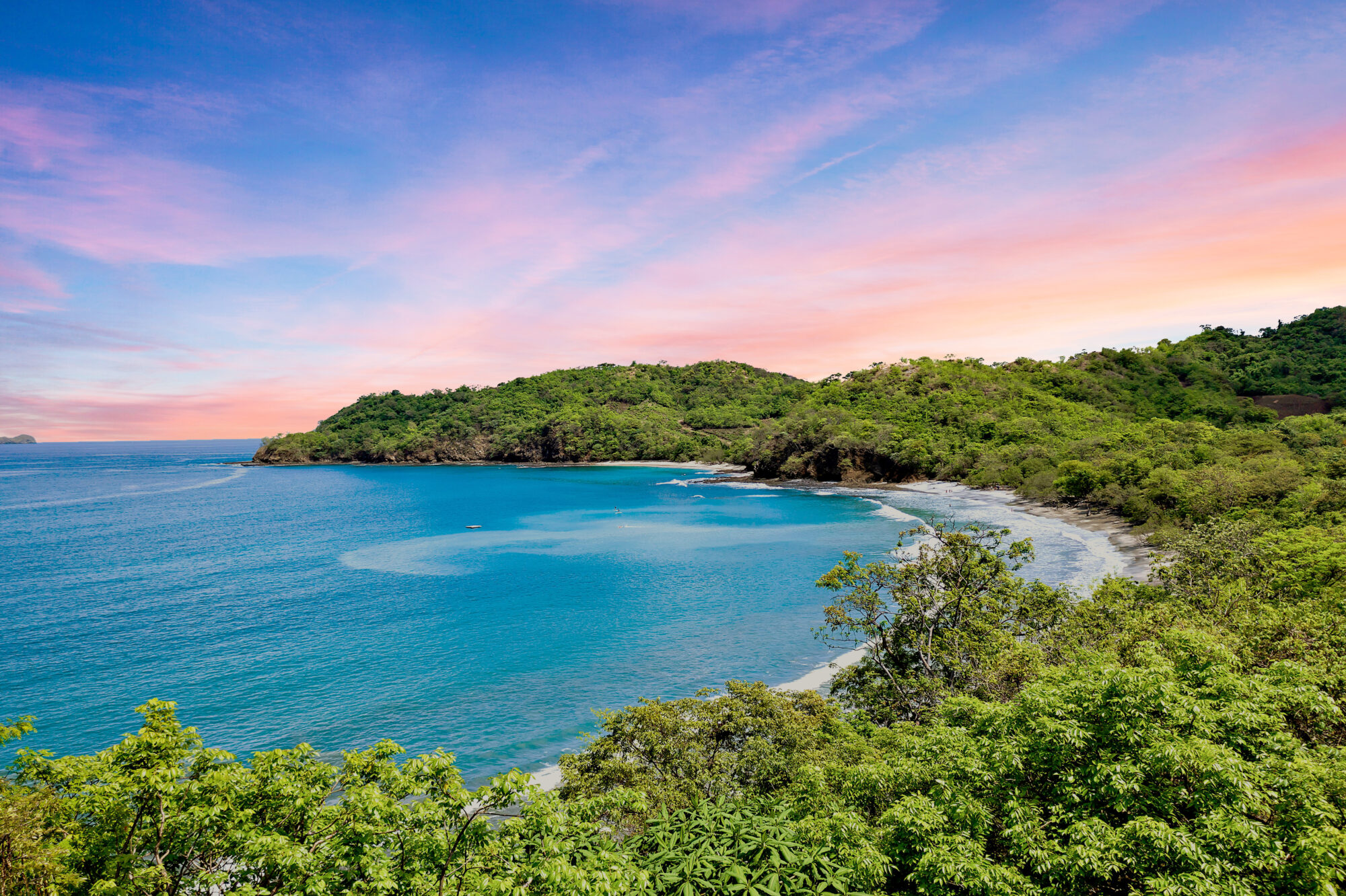
On Guanacaste’s Pacific coast, luxury homes are now selling faster than entry-level ones, and the surf, the tide, and a wave of young families are shaping who buys where.
By Chris Caggiano
For buyers at the top of the market, a home abroad increasingly does two jobs: it is a place to live part of the year and a way to hold real estate outside a single country. On Costa Rica’s northern Pacific coast, in the province of Guanacaste, that shift has turned a familiar market rule upside down.
According to Sarah Breitlander, co-founder and co-owner of KRAIN Luxury Real Estate, luxury homes there have sold faster and more steadily than entry-level properties for the past two to three years. Lower price points have traditionally moved quickest because more buyers can afford them, she notes, and the reversal “has never been the case before.”
In Guanacaste, Breitlander places luxury at $1 million and above, with an upper tier running from about $3.5 million to $10 million. Sales above $10 million are rare, which she attributes to how far a budget stretches: buyers arriving from Florida or Colorado often tell her they found better quality or a better ocean view than in the home they sold for considerably more. She says Liberia’s international airport, which sets passenger records most years, has brought luxury hotel brands to the region and a growing share of private aircraft.
The more telling story, though, is how buyers decide where on this coast to live, and what they do once they arrive.
Sorted by Water
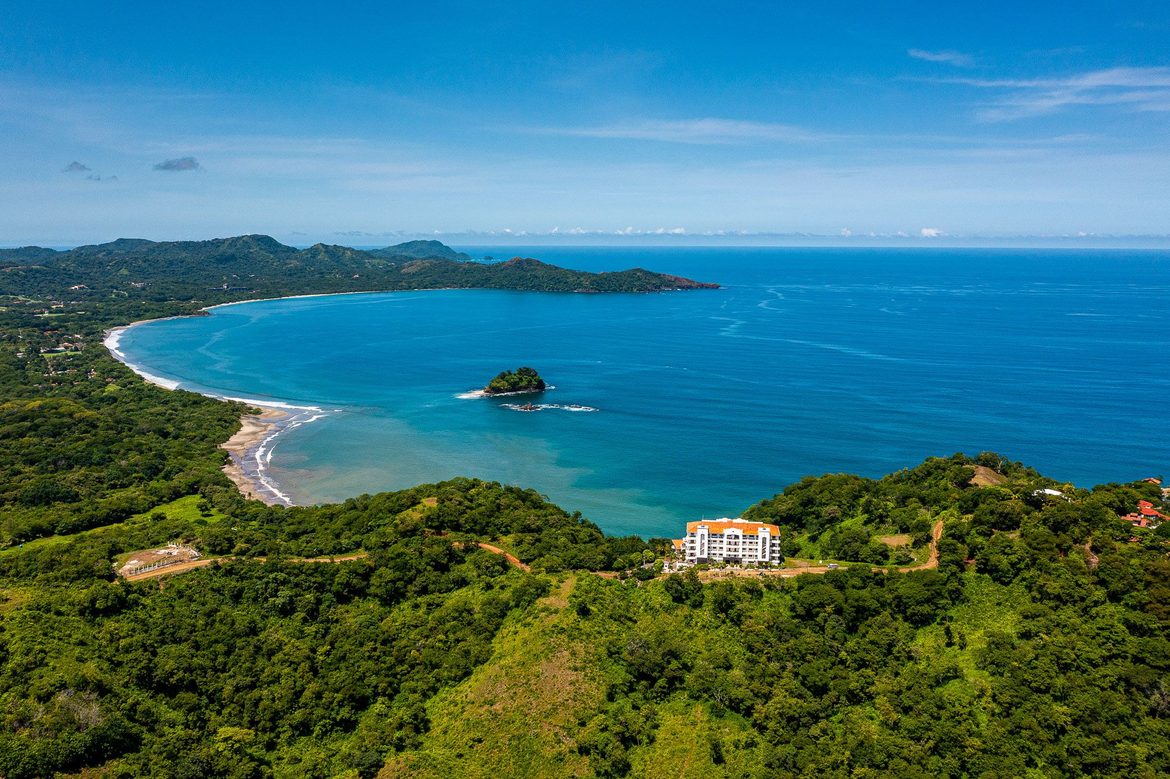
Along Guanacaste’s coast, the character of each town follows the water in front of it. “These towns will be defined by the tide and the surf, and the activities kind of naturally evolve from that,” Breitlander says. From north to south, the coast moves from private resort enclaves to a diving town, then to calm boating beaches, and finally to some of the country’s best-known surf.
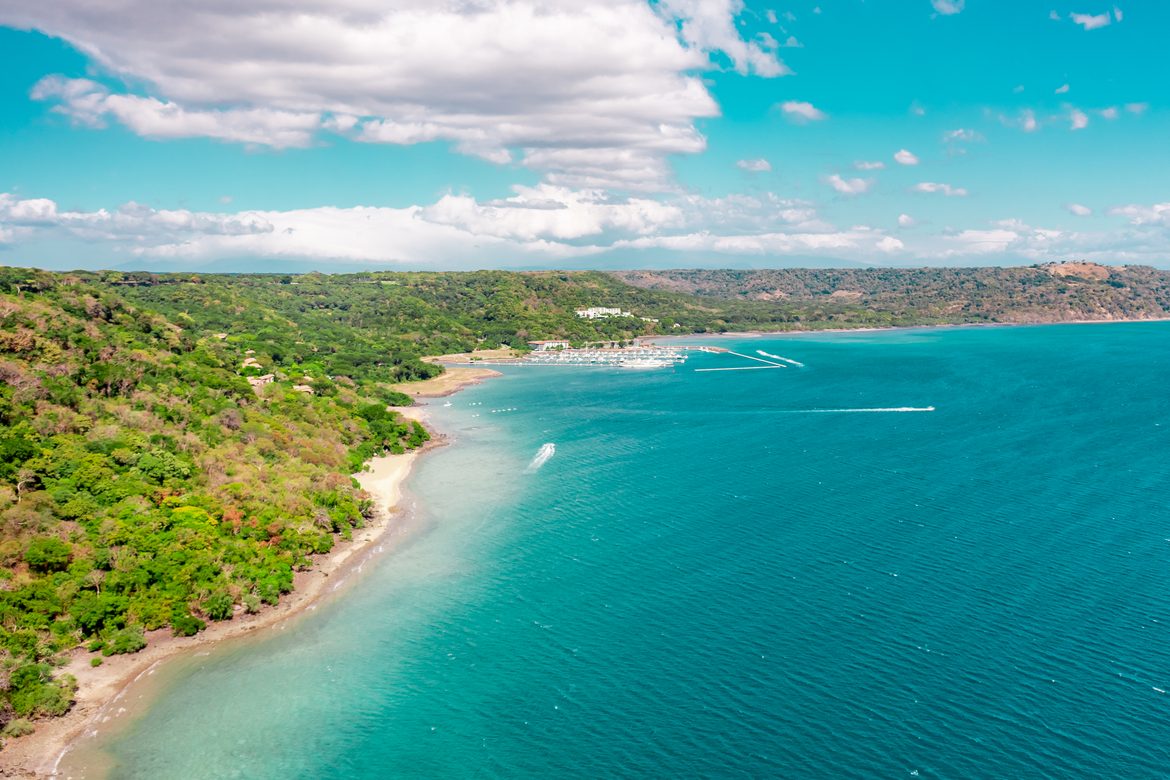
At the northern end, closest to the airport, the Papagayo Peninsula draws ultra-high-net-worth buyers who put privacy first, and a marina village anchors life on the water there. Just south, Playas del Coco, one of the region’s two largest beach towns, organizes its life around what lies beneath the surface. Coco has almost no surf of its own, but it anchors most of the diving in Guanacaste. Boats run out to the Catalina Islands, where giant manta rays appear, and to the Bat Islands, known for bull sharks. Surfers use the town as a jumping-off point for boat trips to Witch’s Rock and Ollie’s Point.
Farther down the coast, Playa Flamingo and Playa Potrero have almost no waves, and life there centers on boating and the Flamingo Marina, which opened in 2023 with slips for yachts up to 320 feet. “Playa Potrero is such a calm beach; it’s for babies and grandmas,” Breitlander says.
Surf’s up farther south at Playa Grande, the beach Breitlander calls “the dream maker.” Its long beach break throws both lefts and rights. Because it faces south, it catches more swell than neighboring Tamarindo, and its offshore winds tend to hold longer, keeping the waves clean through much of the year. Many of the buyers Breitlander works with first surfed there in college and assumed they could never raise a family around it. With well-regarded private schools now nearby, she says, they can.
Across the estuary, Tamarindo, the region’s other large beach town, is where the 1994 film The Endless Summer II first drew international attention to this coast’s waves. Breitlander calls it the place where the action is: strong surf, steady visitors, hostels, a younger crowd and an active nightlife.
Families Moving In
In Breitlander’s experience, schooling has become part of the luxury purchase, and buyers are getting younger. She credits two private schools, which she ranks among the country’s best, set about five minutes apart near Playa Flamingo and the Reserva Conchal resort community. They are Costa Rica International Academy, a U.S.-accredited college-preparatory school formerly known as Country Day School Guanacaste, and La Paz Community School, a bilingual International Baccalaureate school. Her daughter’s school counted 23 nationalities this year.
Those families also open restaurants and start businesses, which Breitlander says has broadened a luxury market once built largely around retirees. “It’s not just a retirement expat community,” she says. Many buyers live outside the gated communities, and she describes a good deal of mixing between expats and Costa Rican neighbors.
That community life fills a practical gap. Newcomers leave their support networks behind, she says, and “you are welcomed by people who’ve done exactly the same thing, so there’s so much empathy there for that.” Each town runs WhatsApp groups to track what’s happening, restaurants take turns hosting musicians, and residents volunteer with animal rescue groups or join one of several nondenominational congregations. With no winter, days fill with paddleboarding, yoga, tennis, horseback riding and pickleball, which she says is huge. “I see a quarter of the community on my morning walk,” she says.
Buying for the Next Generation
Breitlander reads the strength at the top of the market as a sign of diversification. Her luxury clients, she says, want real estate outside the U.S. or Canada that can earn rental income and appreciate, while also giving them a place to live well. She describes it as gaining financial wealth and what she calls “lifestyle wealth” with the same purchase.
More buyers are also planning for heirs. “Legacy homes are definitely of interest to my clients,” she says. A common setup is a U.S. trust that owns the corporation holding the property, so the home can pass to the next generation if it isn’t sold first. She adds that buyers value what they see as Costa Rica’s stability and strong family values, and want to pass those on as well.
The multigenerational focus is relatively recent, she says. It may reflect broader awareness of legacy planning, or the area’s appeal as a place to raise children. Her read fits a wider pattern in the luxury market, where industry reports tie a historic transfer of wealth between generations to rising demand for homes meant to stay in the family.
The Climate Sets the Calendar
Climate shapes both where buyers settle and how their homes earn. Southern Costa Rica has a long rainy season, Breitlander says, with heavy rain for roughly half the year. In Guanacaste, she and others call much of that period the green season. “It’ll rain 20 minutes a day,” she says, and in her experience the true rainy season, when it can rain all day, is concentrated in September and October.
For owners, that means a longer rental year. She says homes in Guanacaste can be rented about 10 months of the year, at reduced rates during the green season, which coincides with summer in the U.S. and Canada. In the south, she puts the rental window closer to six months.
The country’s varied microclimates add another option. Breitlander says buyers often start on the coast and later add a second Costa Rican home in the mountains, about two hours inland among the volcanoes. Her family keeps a farm there, and she values how a two-hour drive from the beach can bring cool mountain air and a complete change of pace, without a long trip to get there.
Bringing the Outdoors In
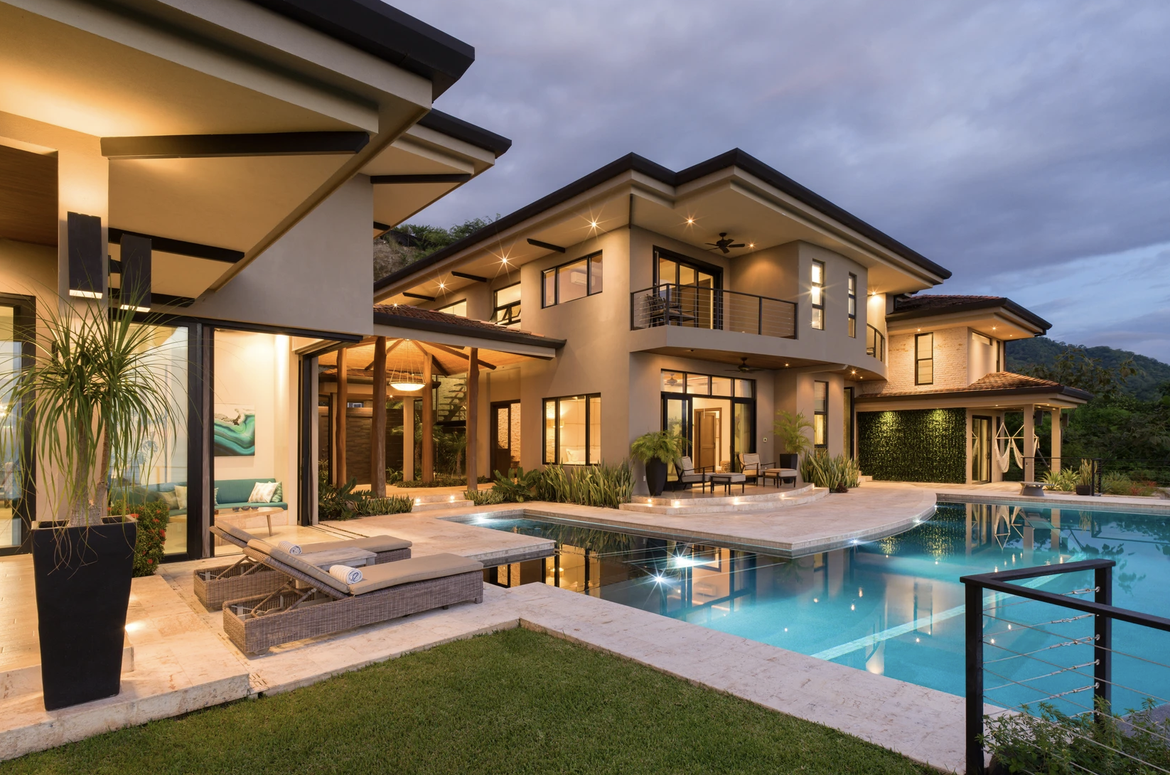
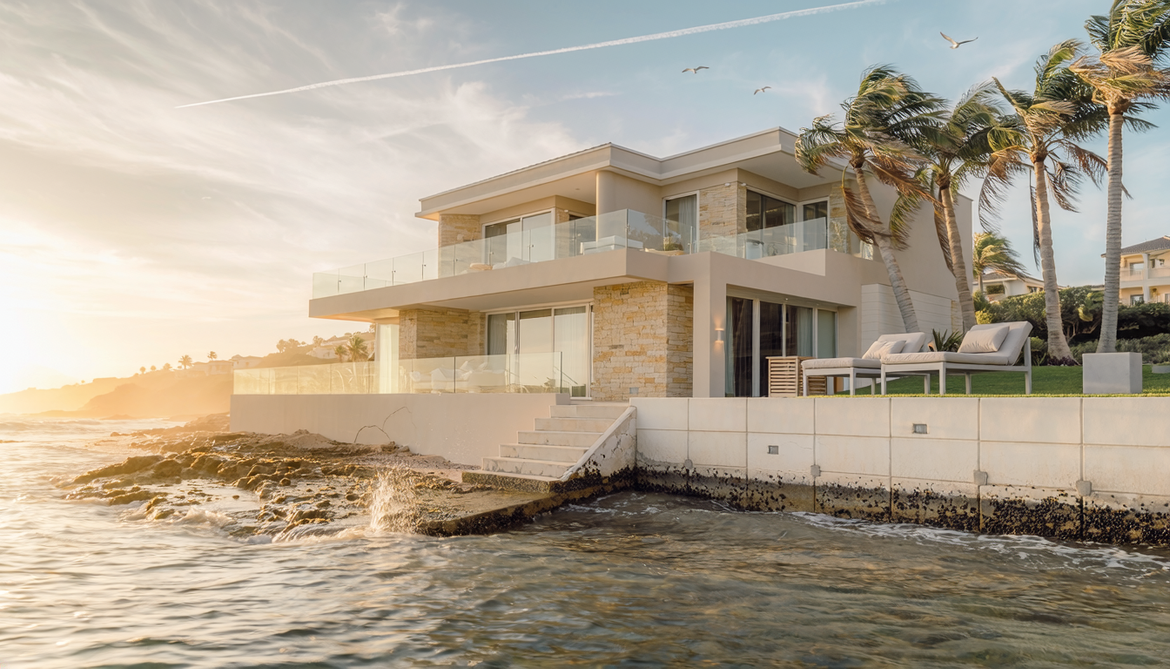
Before the pandemic, buyers often found older homes in need of work, and showings frequently turned into conversations about hiring a contractor. The post-COVID surge in demand brought new construction, and Breitlander says most buyers can now find what they expect: a relatively new home with a private pool, often in a gated community, and “not a dilapidated home in the jungle.”
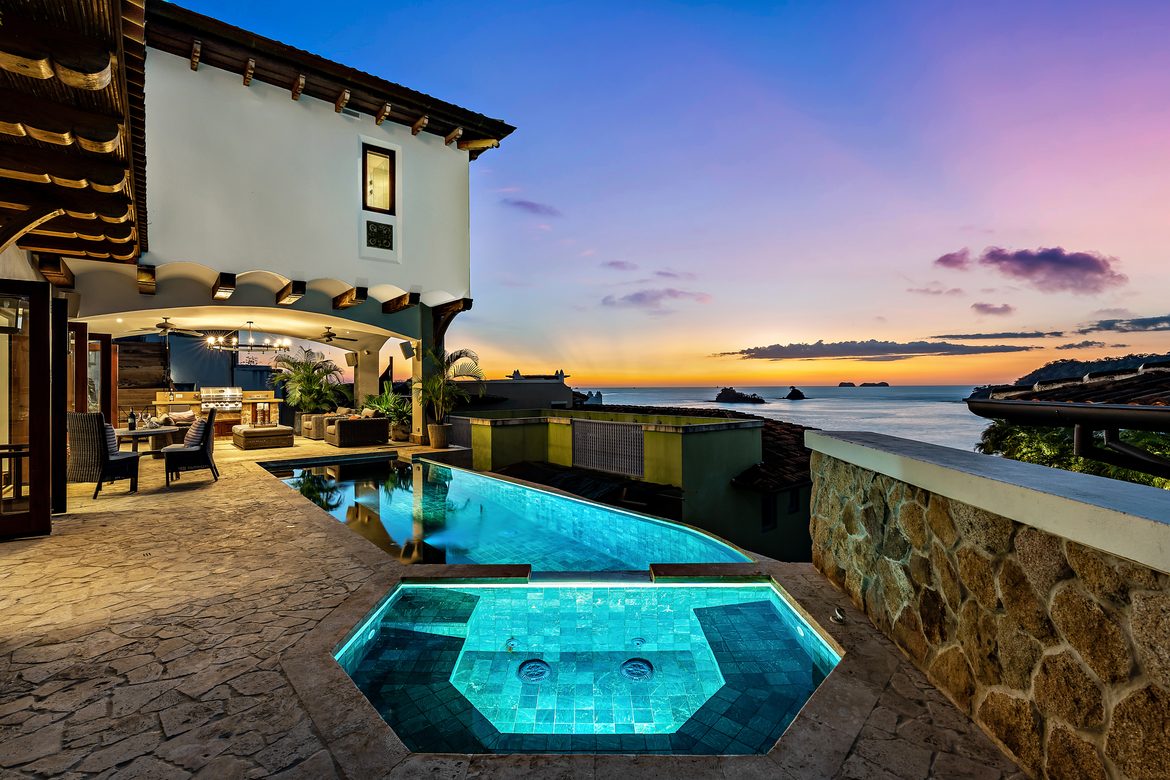
Styles range from traditional Costa Rican interiors with dark wood and teak ceilings to minimalist modern homes designed around the landscape, with walls of glass and sliding doors that open 20 to 30 feet. Most buyers want to be on the beach or have an ocean view, she says, and requests for four or more bedrooms are common.
Many also want guest casitas, which are smaller guest homes that are usually detached. When a property doesn’t have one, buyers look for room to build one, which fits the multigenerational way many plan to use the home.
Finding Their People
Breitlander says she can often guess where a buyer will land, but she leaves the choice to them. “It’s not my decision; it’s theirs,” she says. Her advice is to treat the hours after a showing as part of the search, eating out and spending evenings in each town, since each one has a character of its own.
Most, she says, work out which suits them on the first trip. “They will find their people, and they’ll gravitate toward that.”
About the Expert: Sarah Breitlander is co-founder and co-owner of KRAIN Luxury Real Estate, a brokerage in Guanacaste, Costa Rica.
This article is intended for informational purposes only and does not constitute legal, financial, or investment advice. The views and opinions expressed herein reflect those of the individuals quoted and do not represent an endorsement of any company, product, or service mentioned. Readers should conduct their own due diligence and consult qualified professionals before making any investment decisions.
Hero Image Photo Credit: Angelo Sandona