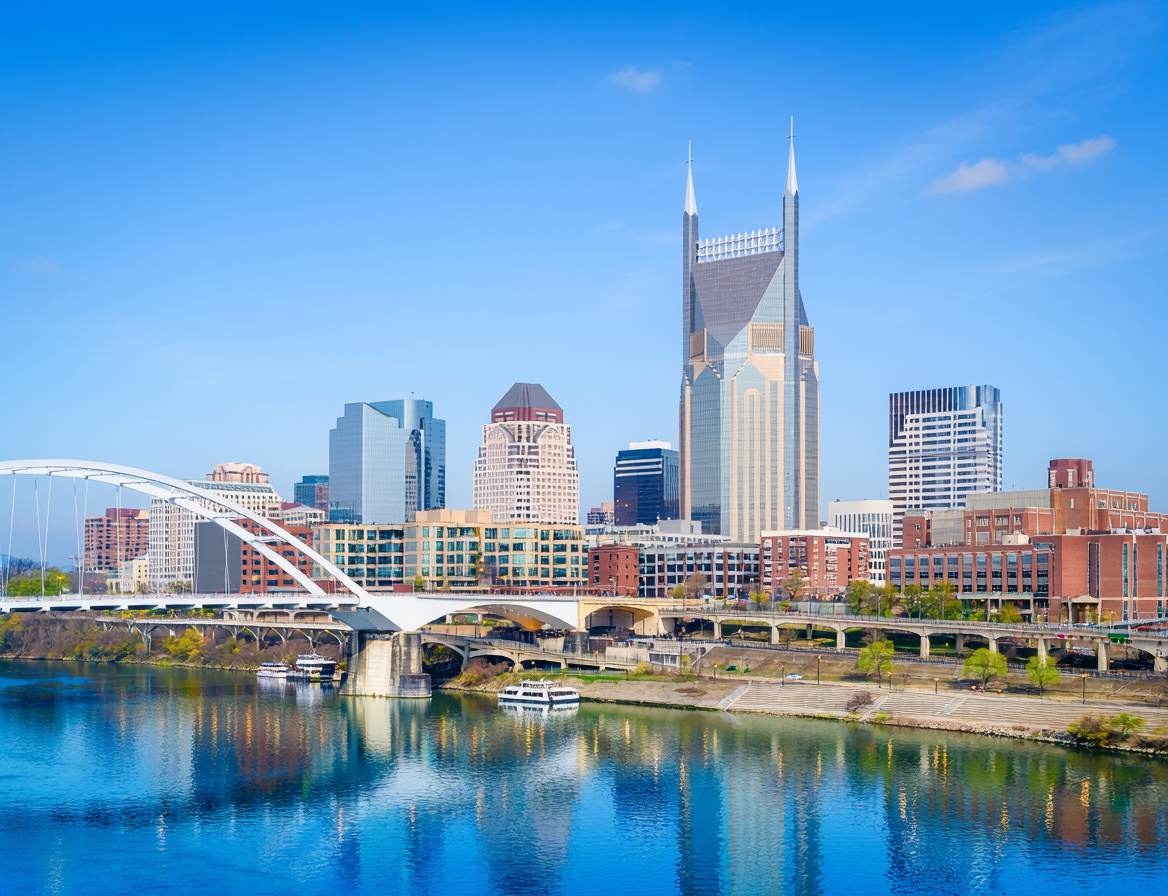
Downtown Nashville has its towers and its $30 million penthouses. But the most coveted address in Middle Tennessee may be a gated drive, a rolling pasture, and no neighbors in sight.
By Chris Caggiano
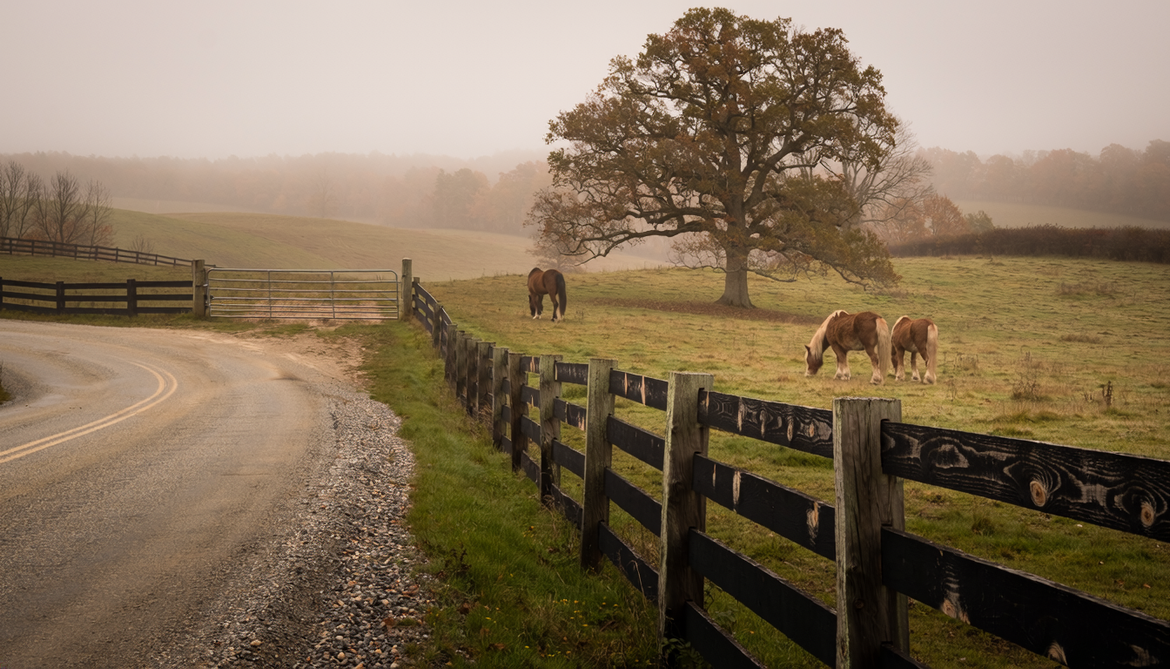
Head south out of Nashville and the city lets go quickly. Highways narrow to two-lane roads that bend with the hills. Dry-stone walls and black board fences trace the pastures, where horses graze beneath old oaks and the evening light settles gold over the hollows. Every so often a gravel drive turns off toward a gate, and whatever lies beyond it stays out of sight. That, increasingly, is exactly the point.
The city’s skyline has never been taller, and its penthouse market has never been more ambitious. Yet for many of the executives, entrepreneurs, and creatives relocating to Middle Tennessee, the real prize lies south of downtown, in the estates of Belle Meade and Forest Hills and in the hills and hollows around Franklin. What they are buying is less a house than a condition: quiet, space, and the freedom to build a private world.
Land and Finishes
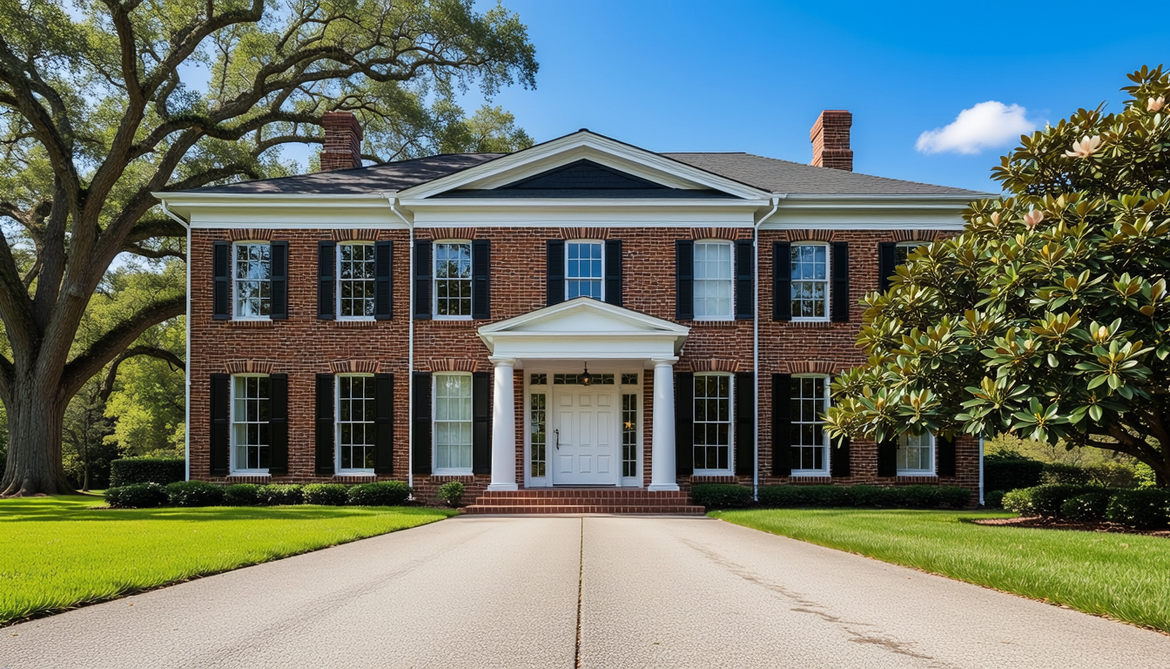
Jamie Parsons, an Affiliate Broker with Compass, draws the lines of the market plainly. Luxury, in her view, runs from roughly $2 million to $8 million. Ultra-luxury begins somewhere in the $8 million to $10 million range and climbs from there.
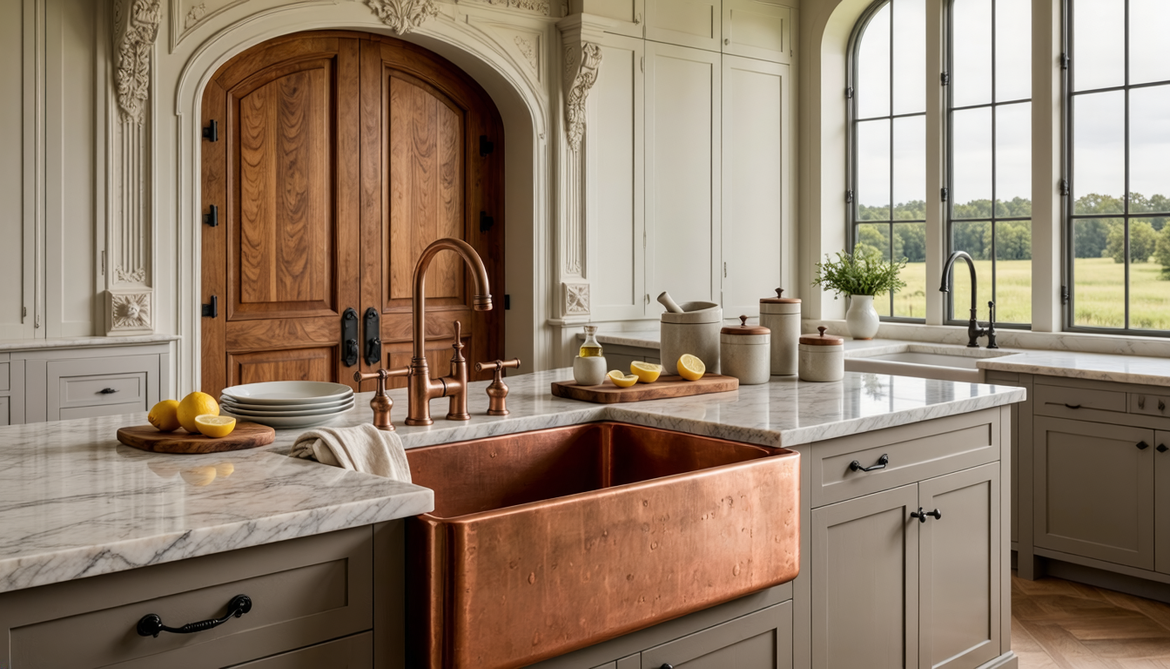
Ask Parsons what separates ultra-luxury from merely expensive, and she answers in two words: “land and finishes.” The finishes are what you would expect at this level, and then some. She describes hand-forged sinks, custom doors and windows, intricate woodwork, and materials “custom imported, generally from Italy.” Her own background sharpens that eye; she has been flipping and building homes since 1994, from simple remodels to custom builds on raw land.
The land is where Middle Tennessee pulls away from most luxury markets. Downtown Nashville does offer genuine trophy residences. A 40th-floor penthouse at the Four Seasons, which Parsons co-lists, came to market at $33.5 million, the priciest residential listing the city has seen. Paramount, a 60-story tower due for completion in 2028, is rising to become the tallest building in Tennessee. But a penthouse, however secure, comes with neighbors. “Above, below, all around,” Parsons says.
In Belle Meade, Green Hills, Oak Hill, and Forest Hills, the line between luxury and ultra-luxury often comes down to acreage. Some parcels sit on an acre, others on five to eight. Belle Meade, today the wealthiest city in Tennessee, carries a deep equestrian lineage. It takes its name from a plantation that became one of the best-known thoroughbred breeding farms in the world in the late 19th century. Farther south, in Franklin and Leipers Fork, holdings stretch into the dozens and hundreds of acres.
What buyers want from all that ground, Parsons says, is a tie between two things: peace and privacy. She borrows a line from her husband to explain it. “Peace is not overrated.” By peace she does not mean a zip code. She means distance. “You don’t have close neighbors. You can do what you want,” she says. “You can have horse trails. You can have walking trails. You can have your organic garden. You can have your rose garden. You can create a sanctuary.”
The Estate as Private Resort
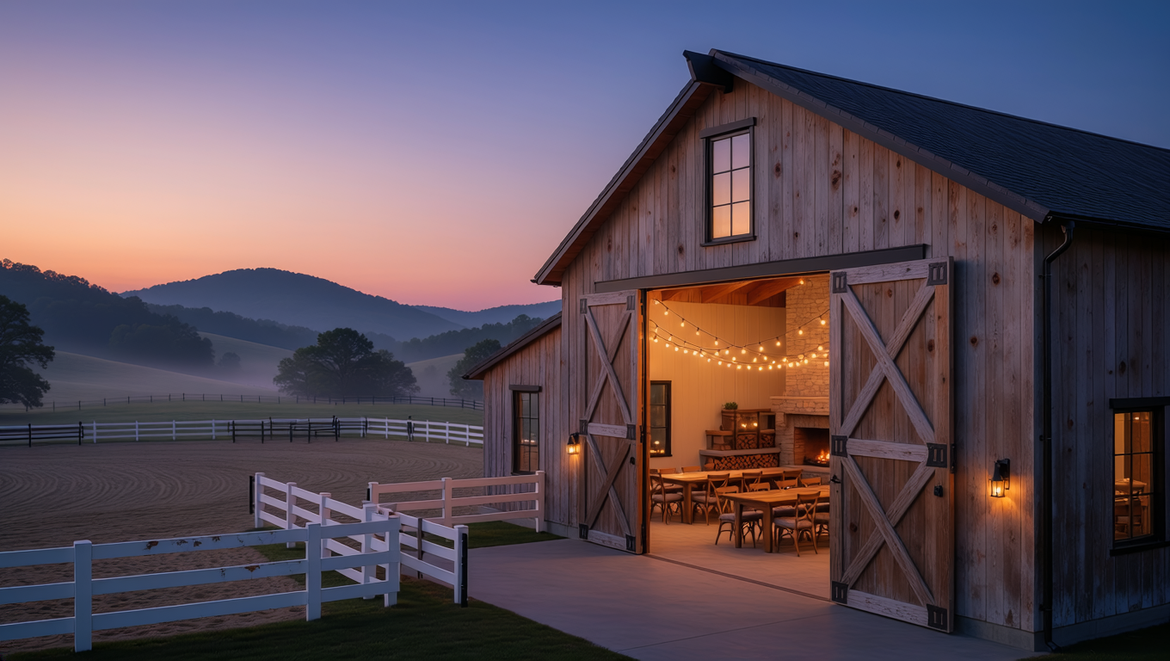
With space comes ambition. Most of these properties are gated and set well back from the road, behind rolling pasture. Behind the gates, buyers are assembling amenities “you cannot get in the city,” as Parsons puts it.
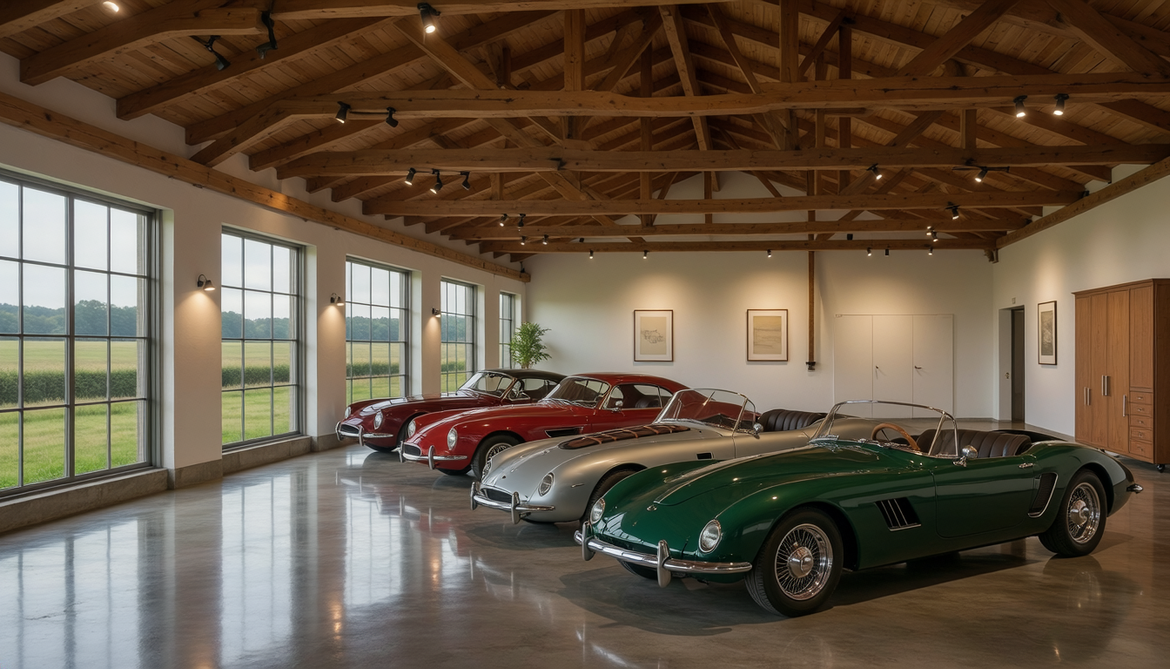
For equestrians, that means indoor and outdoor riding rings and a full horse barn. Increasingly, it also means a second barn with no horses at all. The “party barn,” a temperature-controlled structure built for entertaining, has been part of the local landscape for at least a decade, Parsons estimates. Owners use them for private gatherings and charity events alike. Add a pool and pool house, a tennis court, and, for the collector, a car barn “with all the bells and whistles.”
That last detail points to a quieter subculture. Middle Tennessee has a serious community of car collectors, which Parsons sees concentrated toward Franklin. The Musik-Stadt Region of the Porsche Club of America counts more than 1,100 members across Middle Tennessee, and the Ferrari Club of America keeps an active Tennessee chapter. Some collections outgrow any garage. Parsons knows of one collector with roughly 100 cars.
The Billionaire and the Farmer
If the land is what buyers acquire, Leipers Fork is a glimpse of the life it buys into. Parsons lives there, and she describes it with an insider’s affection.
The village itself is modest in scale: a historic district in an unincorporated corner of southwest Williamson County, strung along a short stretch of Old Hillsboro Road about a mile from the Natchez Trace Parkway. Along it sit art galleries, live music venues, mom-and-pop restaurants, and a speakeasy. It is, above all, a place where people know one another. “You go into a restaurant, they know what you’re gonna eat,” Parsons says. At the speakeasy, “they see you walking in, they pour your wine.”
Who lives there is harder to pin down, and that is the point. Musicians have called the area home for decades. So have farmers, tradespeople, and equestrians. More recently they have been joined by business leaders and people working in AI. In most luxury enclaves, wealth sorts itself. Here, it mixes.
“You can be at the local restaurant and have a billionaire on one side and a farmer on the other, drinking a beer at five o’clock at the end of their day,” Parsons says. What binds such a varied group, she says, is that they want the same things: privacy and peace. And she is emphatic about one more quality. Leipers Fork is a creative community first. You don’t have to be an artist to belong there, she adds, but you do have to appreciate the creative spirit that runs through the place.
For buyers arriving from markets where an address signals status, that can be a revelation. In Leipers Fork, the most exclusive thing on offer is belonging.
Beyond Broadway
Once new residents are settled in, they are likely to spend their evenings in a Nashville most visitors never see. “The locals don’t generally go to Broadway,” Parsons says of the city’s tourist-heavy honky-tonk strip. They don’t need to. “You can hear live music any night of the week in Nashville and Franklin.”
The dining scene has grown just as fast. Celebrity chefs open new rooms, Parsons says, “every other week,” alongside farm-to-table kitchens that suit the region’s agricultural roots. Private clubs fill in the rest of the social calendar. Soho House occupies a former sock factory in the Wedgewood-Houston neighborhood. Downtown, Red Phone Booth runs a cigar-friendly speakeasy that guests enter by dialing a secret code inside a London-style phone booth. In Franklin, the members’ club Franklin Social draws entrepreneurs, artists, and philanthropists to its rooftop on the Public Square.
Beyond the nightly music and dining, Nashville’s year is punctuated by festivals and traditions that draw visitors from around the world and give residents something to look forward to in every season. CMA Fest takes over the city each June. Each spring, Tin Pan South, billed as the world’s largest songwriters festival, brings more than 400 songwriters to stages across Nashville for five nights of shows.
For Parsons, those songwriter rounds are the quintessential Nashville experience. Few cities offer the chance to hear songwriters perform their own work up close, she notes, and fewer still let audiences hear the stories behind how those songs came to be. On the Fourth of July, the Nashville Symphony plays Ascend Amphitheater on the Cumberland River beneath one of the country’s biggest fireworks shows. Franklin’s historic Main Street keeps its own traditions, including the fall Pumpkinfest and Dickens of a Christmas, a Victorian street festival each December.
Who’s Buying and Where
The practical case for Middle Tennessee is well known. Tennessee levies no state income tax on wages, and since 2021 it has not taxed investment income either. Parsons sees its business-friendly climate drawing a steady stream of corporate relocations, law firms, and chief executives. Many arrive on job transfers, and where their company lands often decides where they live. A headquarters in Cool Springs points toward Franklin; one closer to downtown points toward Belle Meade, Green Hills, or Forest Hills.
Schools weigh in too, with many private schools clustered closer to Nashville and Williamson County’s public schools drawing families south. So does a buyer’s appetite for land. Do they want horses at home, or boarded at a show barn nearby? Do they need the car barn, the tennis court? The answers, Parsons says, “dictate” the search.
The buyers themselves are getting younger. Parsons describes a young couple in Bitcoin who recently bought a lovely property, and a broader wave of entrepreneurs who are reshaping the city’s social life much as tech money has elsewhere.
What buyers respond to, more often than not, is the pace. Parsons knows the sensation firsthand. After years as a top agent from the Hollywood Hills to Malibu, she first visited Nashville in 2008, accompanying a friend who was considering a move. “I felt it at the airport,” she recalls. “It was just something in the air, and then it just got better and better.” She eventually relocated herself. She hears the same story from clients constantly. Here, the ultimate luxury is not a view of the skyline. It is the moment your heartbeat slows.
About the Expert: Jamie Parsons is an Affiliate Broker with Compass Tennessee, serving buyers and sellers in Nashville, Franklin, and the surrounding communities.