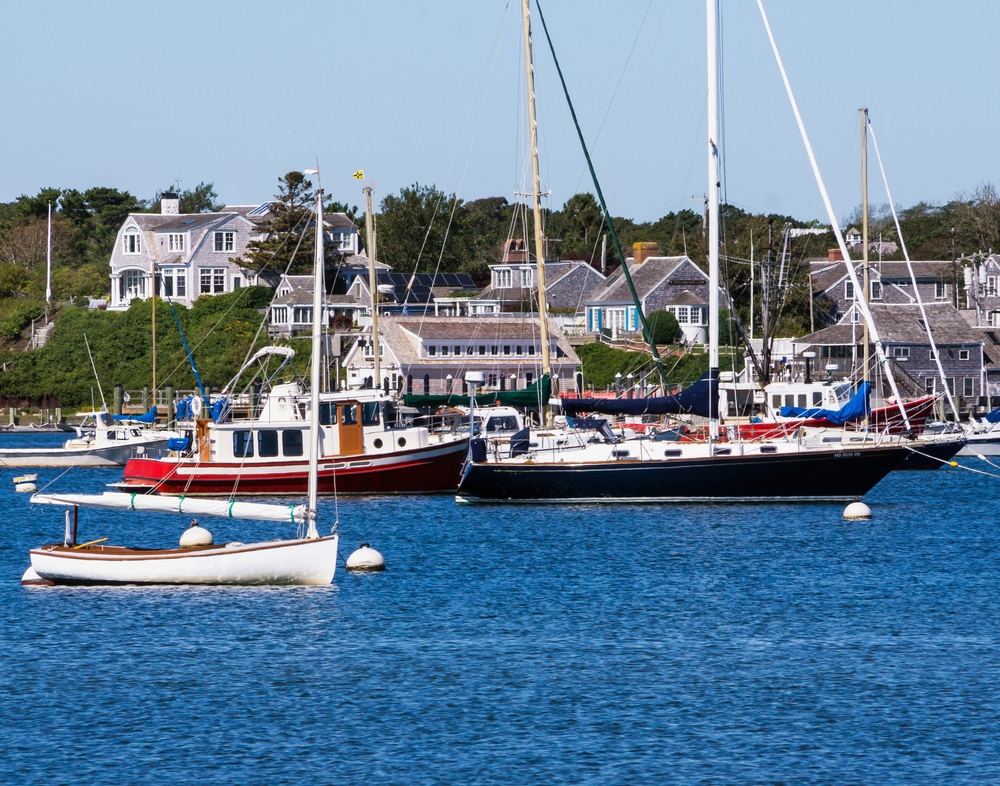
On Cape Cod, luxury isn’t about what’s new – it’s about what’s never had to change.
By Chris Caggiano
For Lisa Parenteau, the Cape Cod luxury market isn’t about price points or inventory counts. Parenteau, a luxury real estate advisor with eXp Realty in Chatham, Mass., starts with a promise: come back tomorrow, and it will look exactly the way it did today.
“If you come back tomorrow, it’s still going to look like it did before,” says Parenteau, a longtime Cape Cod agent and immediate past chair of the National Association of Realtors’ Resort and Second Home Committee. That continuity is the product of scarce land, tight zoning, and a market where timelessness itself has become the most valuable asset on offer.
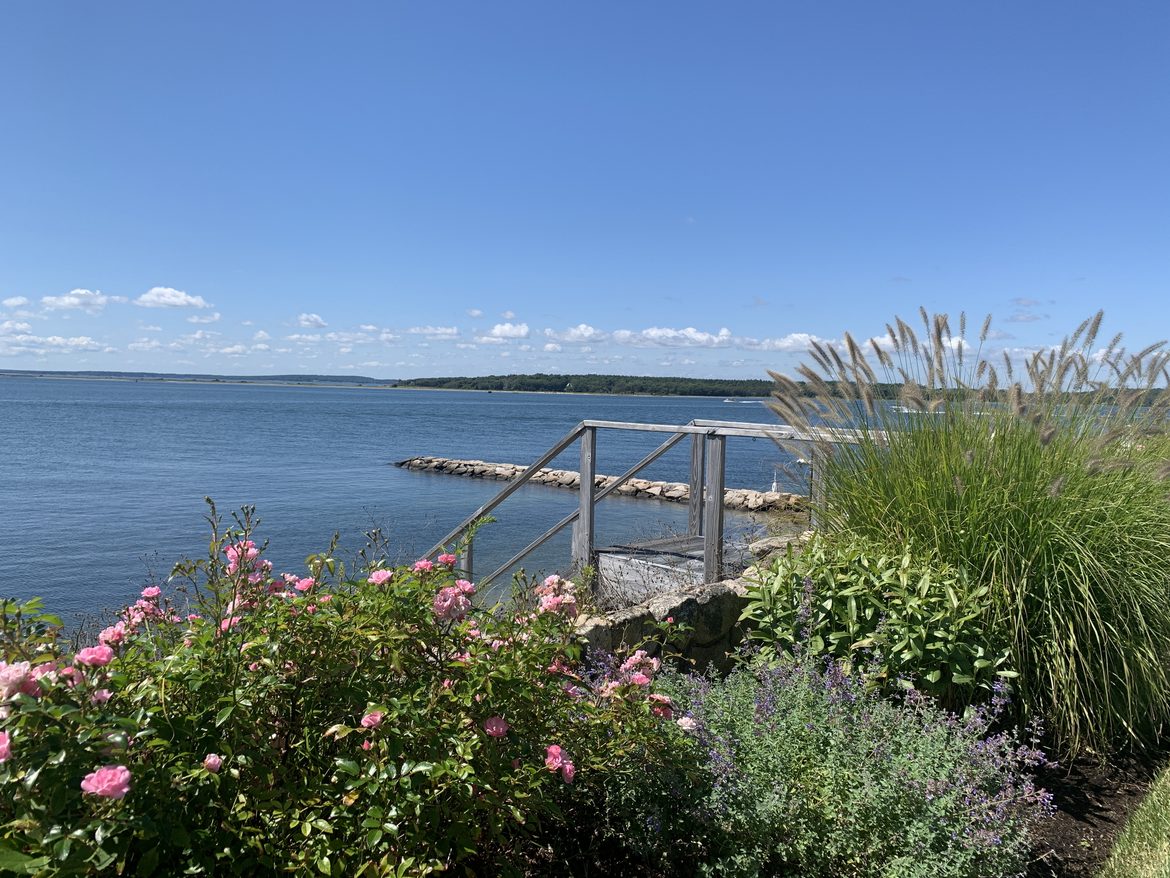
Cape Cod Luxury
Parenteau draws the line at $4 million. Below that, luxury; above it, ultra-luxury. She notes that there are estates reaching as high as $27 million, although the bulk of activity is concentrated well below that ceiling.
In Chatham, the Cape’s perennial top address, the median sale price sits at $1,465,000, with homes carrying a 45-day median time on market, a pace that Parenteau would call deliberate rather than sluggish, reflecting buyers who know exactly what they want and aren’t in a hurry to compromise. Across the broader $2 million-plus luxury segment, the median sold price this year reached $2,912,500, with roughly eleven months of supply on hand – figures that have moved only modestly year over year, in keeping with a market built for stability rather than speed.
None of these numbers, on their own, will strike anyone as dramatic compared to markets like Palm Beach or Manhattan. But, in a way, that’s the point. Buyers don’t come to Cape Cod to flaunt. They come because they spent childhood summers here and never stopped thinking about it, or because the light on the water at Chatham or the pine forests off a quiet road in Brewster got under their skin decades ago and never let go. The Cape’s luxury market runs on emotional as much as financial equity, and the pricing reflects a place built for people who already know they want to stay, not for people trying to be seen.
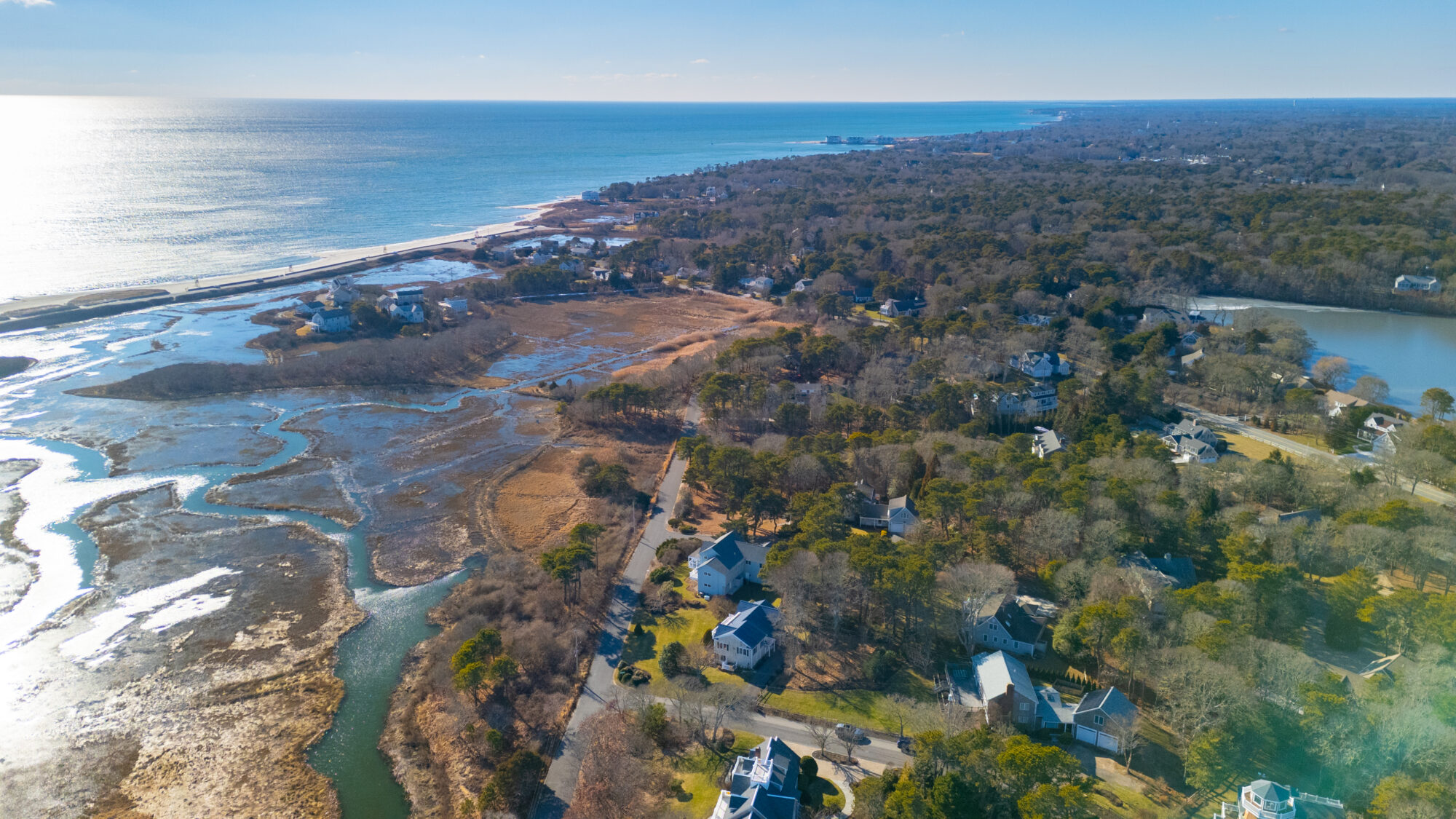
Behind the Timelessness
What ties permanence to price is land – or rather, the lack of it. There simply isn’t much left to build on, and what remains is governed by zoning that has, if anything, tightened. In towns like Harwich, an acre is now the baseline requirement for new construction, a threshold that puts teardown-and-rebuild projects out of reach for all but a small slice of buyers. Add a nitrogen and wastewater issue that all fifteen Cape towns are now addressing jointly, and the practical ceiling on new inventory becomes clear: there isn’t going to be much of it, now or later.
That scarcity extends to the people who can actually execute a renovation. Parenteau describes a Cape with only a handful of high-end general contractors, each commanding a premium – 20 to 30 percentage points added to every invoice, by her own recent experience – and each so booked up that even a plumber referral takes real relationships to secure.
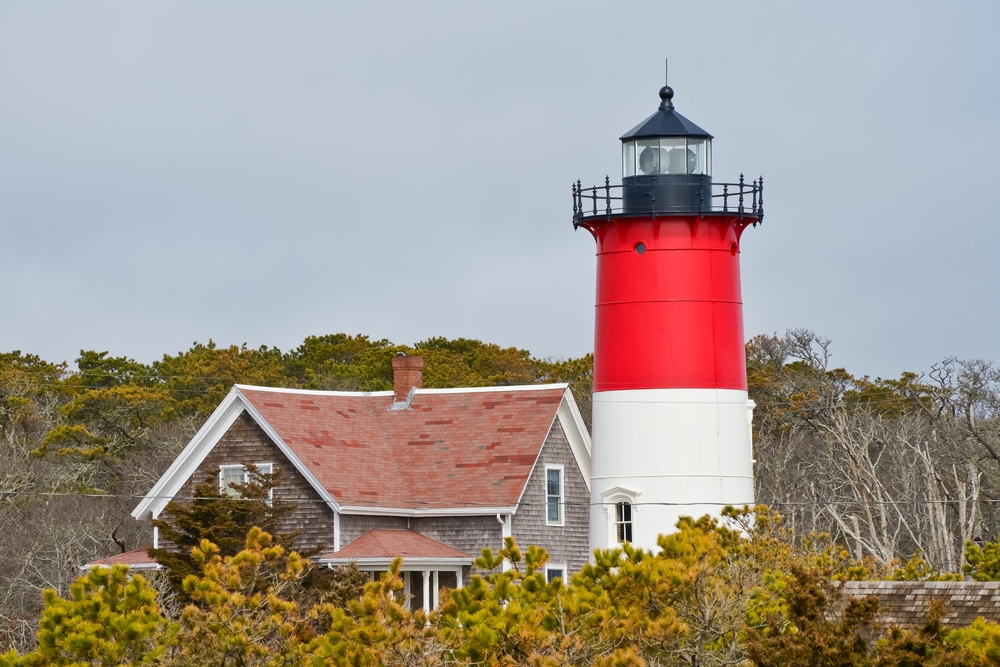
For anyone who doesn’t live on the Cape full time, managing a renovation from a distance becomes its own kind of luxury tax. The result is a built-up environment where the charming saltbox-and-shingle aesthetic that buyers associate with the Cape has had every practical reason to endure – not just as a preference, but as the natural outcome of how hard the land and the labor market make it to build anything else.
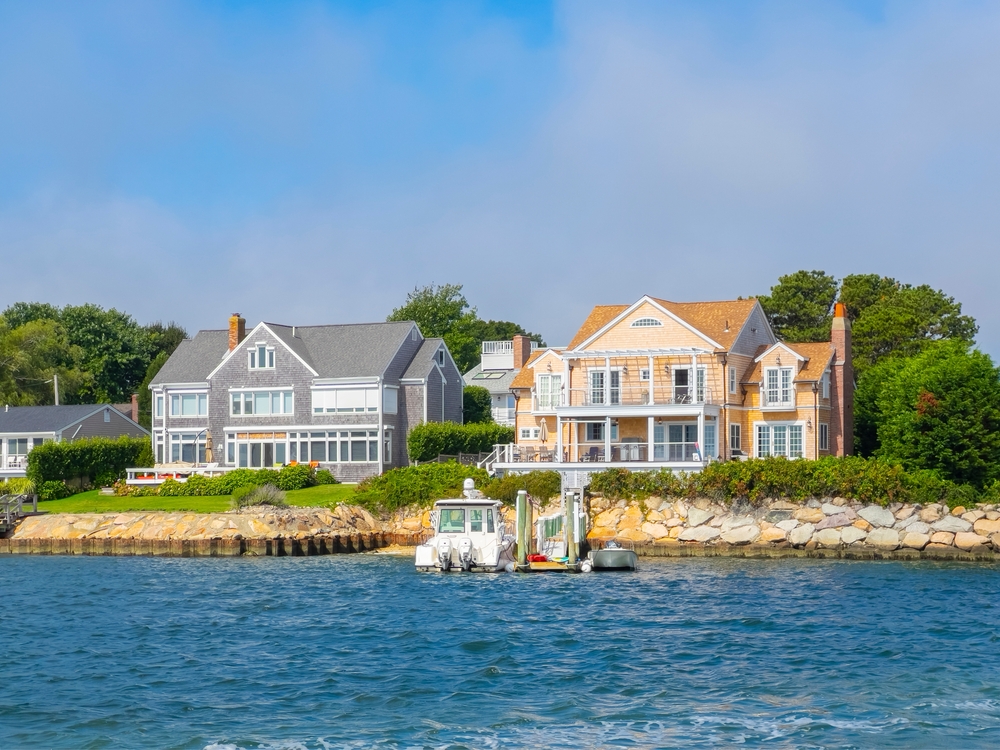
Old Money, Old Institutions
That same timelessness shows up in the Cape’s social fabric. The towns Parenteau names as consistently hot – Chatham, Osterville, Cotuit, pockets of East Dennis on the bay side – are, in her words, old money, and have been for as long as anyone can remember. The institutions built around them have staying power to match: restaurants like Chillingsworth and the Chatham Bars Inn have anchored the dining scene since Parenteau tended bar on the Cape in the late 1970s and early ’80s.
The clubs run just as deep. Chatham Yacht Club has taught sailing on Pleasant Bay since 1921, and Monomoy Yacht Club, whose membership is drawn primarily from Chatham and Harwich, splits its season between an East Fleet on the Atlantic side and a South Fleet on Nantucket Sound, with a social calendar that runs from clubhouse events and beach parties to dinners aboard chartered boats. On land, the story repeats: Eastward Ho! has anchored Chatham’s golf scene since 1922, while in Osterville, the Wianno Club has served as the social hub of the village’s “Summer Colony” since 1887, running strictly from Memorial Day to mid-September the way a true seasonal colony always has. In the same village, the Oyster Harbors Club, established in 1926 on its own gated island, keeps its own version of that exclusivity intact. Membership in clubs like these isn’t incidental to the towns’ status – it’s practically the currency of it.
New Seabury joins the ranks of the Cape’s hot towns, though it hasn’t quite achieved equal footing with the old guard like Chatham and Osterville. Parenteau points to New Seabury’s Popponesset Beach as a magnet for younger families with new money, drawn to its marketplace energy and what she considers the best lobster roll on the Cape. But the families it draws tend to rent rather than buy, occupying a parallel social lane rather than displacing the one that’s already there.
Dining tells a similar story: evolution without disruption. Farm-to-table has taken hold, as it has elsewhere, but it has layered onto a seafood-driven culture that hasn’t changed in substance, only in polish. The restaurants that mattered forty years ago still matter, often because many close for January and February and return each season with the same intensity, and the same following, they left with.
Buying Location
Because so little changes and so little gets built, Cape Cod buyers have adjusted their expectations around what they’re actually purchasing. Deferred maintenance is common enough that Parenteau treats it as a routine part of the transaction rather than a red flag – original windows, rotted trim, decades of small deferrals on homes whose owners have finally moved to assisted living or passed away. Rather than walk away, her buyers typically get contractor estimates up front and plan renovations for after closing, sometimes spending months redoing floors and kitchens before ever moving in.
As she puts it, they’re buying location and figuring out the rest afterward – a sequence that would raise eyebrows in a market obsessed with turnkey condition, but on the Cape reads as simply how it’s done.
That patience extends to who gets access to the market in the first place. Parenteau’s business is almost entirely referral-driven, and her clients come overwhelmingly from the Northeast and broader East Coast – Massachusetts, New York, occasionally further afield, but rarely international. It’s a market that grows through relationships rather than open marketing, which reinforces the same insularity that keeps the architecture and the institutions intact: the people who find their way in tend to already understand, and want, exactly what the Cape is.
The One Real Shift
If there’s a genuine disruption to this pattern, it arrived in 2021, when a wave of second-homeowners realized they no longer needed to be anywhere else. Working remotely and no longer accountable to an office, many sold their primary residences elsewhere – say in Sudbury, Mass., or upstate New York – and became full-time Cape Cod residents, arriving with substantial equity from those sales.
It would be easy to read that as the moment the Cape’s character finally gave way to broader real estate trends. It didn’t, and the reason is telling: that equity mostly sat parked rather than getting reinvested or spent on renovation and expansion. Buyers who might have overhauled their new full-time homes largely didn’t. They simply started living in them the way they always had during two-week summer visits, just for longer stretches. Even the market’s biggest recent shift ended up reinforcing the same instinct that defines everything else about Cape Cod real estate: buy in, and let the place stay exactly as it is.
About the Expert: Lisa Parenteau is a luxury real estate advisor with eXp Realty and is based on the Upper Cape in Mashpee, Massachusetts. She is the immediate past chair of the National Association of Realtors’ Resort and Second Home Committee and is the current vice-chair of the NAR Insurance Committee. She is also a member of REALM Global, an international network of real estate professionals working in the ultra-luxury segment.
This article is intended for informational purposes only and does not constitute legal, financial, or investment advice. The views and opinions expressed herein reflect those of the individuals quoted and do not represent an endorsement of any company, product, or service mentioned. Readers should conduct their own due diligence and consult qualified professionals before making any investment decisions.