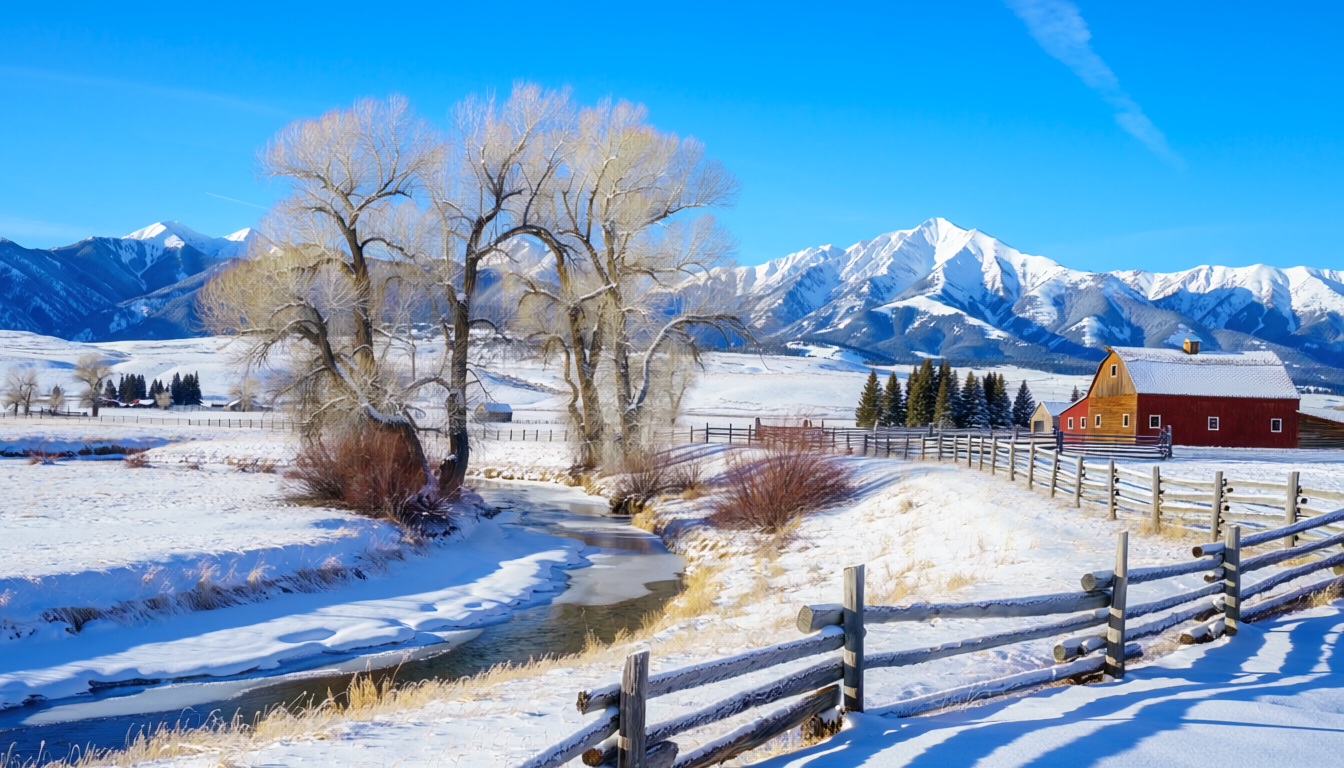
From site selection to amenity design, developers across mountain markets are arriving at the same answer: buyers no longer accept a choice between nature and community, isolation and access.
By Chris Caggiano
For decades, ultra-luxury development ran on a simple trade-off: buyers could have seclusion or they could have community, but not both in the same address. A private compound meant a drive to dinner; a walkable, social neighborhood meant giving up the sense of escape that justified the price tag in the first place. That trade-off is disappearing, as developers across several emerging luxury markets converge on similar answers for how to build around it.
Culture First
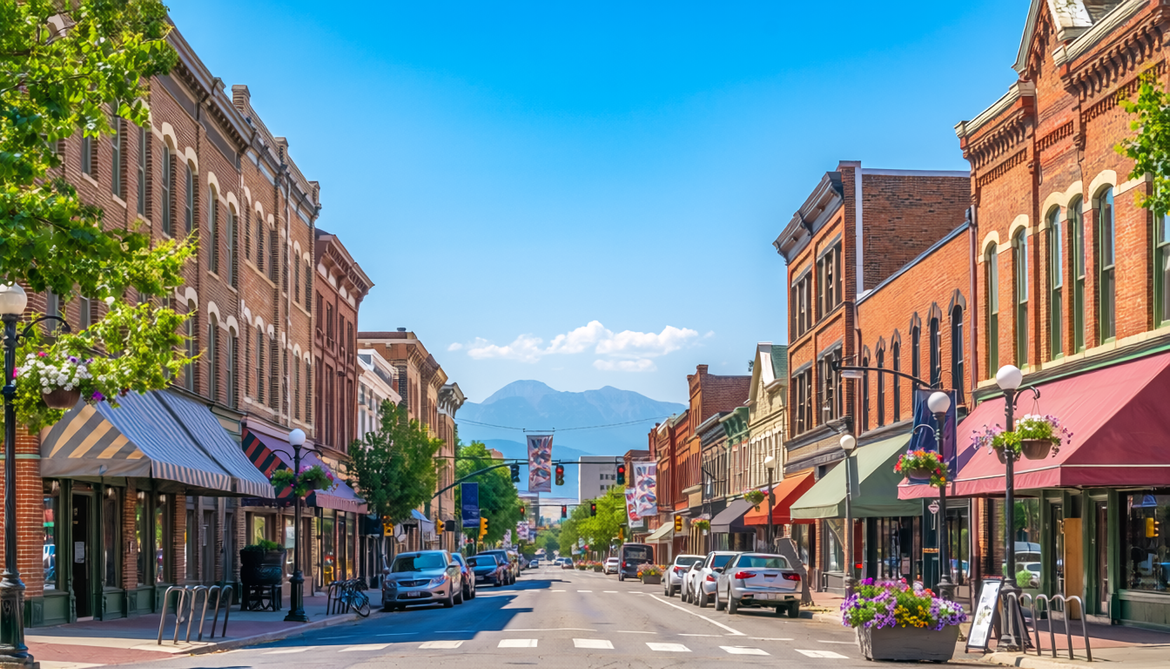
The instinct among developers entering emerging luxury markets used to be to find pristine, undeveloped land and build a destination from scratch. That approach is giving way to something closer to urban infill logic: identify a neighborhood where an authentic creative or artisan community has already taken root – often in a former industrial or warehouse district where lower costs allowed risk-taking – and build there first, before the broader market catches up.
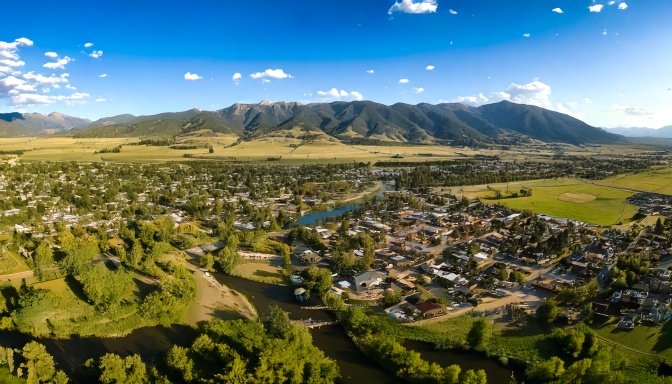
Scott Baldasare, founder of Alta Capital, a Philadelphia-based real estate development company developing its first Montana project, describes this logic behind choosing a site for his company’s Bozeman Yards property in a former warehouse district in Bozeman that he compares to some of the hipper parts of Brooklyn.
Developers follow the neighborhood’s existing creative and commercial energy, then build around it at a higher level of design than what’s already there. The wealth in these neighborhoods, Baldasare notes, is often cultural before it’s financial. The people who gave an area its character aren’t necessarily the ones who can eventually afford to live there, but their sophistication is what draws the buyers who can.
That same logic shows up close to home, too. In Jackson, Wyoming, one recent luxury condo development was built specifically within the town’s gallery and arts district, a few blocks from Town Square and walking distance to Snow King Mountain.
That distinction matters because it reframes what “location” means in this category of real estate. A site isn’t valuable simply for its views or its acreage – it’s valuable for the density of interesting, already-established activity around it. The developer’s job becomes less about creating a destination and more about being early to one that’s already forming.
Designed for Wellness
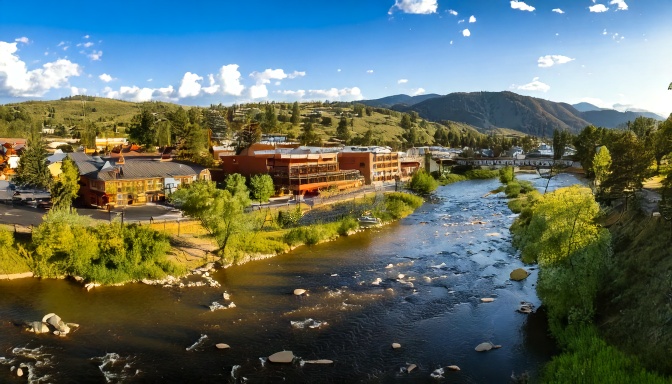
Amenity packages in this segment have historically been additive – more square footage devoted to more features, regardless of how buyers actually spend a day. A new, more disciplined approach is to work backward from a specific ritual a buyer already has, and build the architecture around it.
Physical recovery from a day outdoors is the clearest example, and it’s become close to an industry consensus in mountain markets in particular. Developers behind other emerging alpine projects, including Four Seasons Resort and Residences Telluride, have described wellness not as an add-on but as something baked into high-altitude living – a daily need rather than an occasional indulgence. European Alpine buyers in particular now rank wellness above skiing itself as a lifestyle priority.
Baldasare’s version of this thinking shows up in the placement of the spa in his company’s Bozeman Yards development: positioned on the second floor facing the mountains, built around the after-ski sequence of hot tub, sauna, and fireplace, rather than treated as one generic amenity among many.
A related instinct shows up in outdoor space, where pocket parks are distributed throughout the property rather than concentrated in a single amenity deck – the idea being that outdoor access should be constantly available rather than a destination you have to seek out.
This is also where developers are having to make sharper judgments about redundancy. A buyer who already belongs to a ski club doesn’t need a building that duplicates it; the amenity that earns its square footage is the one addressing a moment the buyer’s existing memberships don’t cover.
Access Is Key
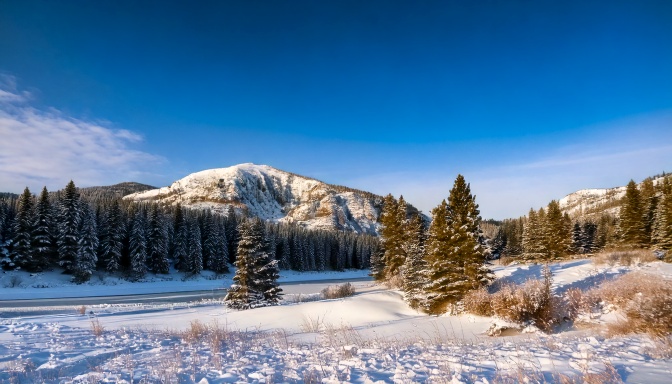
Increasingly, what gets marketed as lifestyle is really about how easy a place is to reach – both to get there in the first place, and to get to the good stuff once you’ve arrived. Both halves have become something developers actively design and market around, rather than treating as incidental geography.
At the top of the market, “getting there” means private aviation. Deer Valley East Village and Four Seasons Telluride have both made proximity to airstrips a defining feature of their pitch, and industry analysts have pointed to a meaningful price premium for homes near private airports. But the same argument applies to commercial service: Baldasare cites Bozeman’s airport, with a relatively high number of nonstop routes and a short drive from downtown, as an edge over competing mountain markets with fewer direct connections.
The second half of the argument is about what’s within reach once a buyer has landed. Baldasare’s pitch for his own site leans on this constantly: a trailhead and fly-fishing access directly across the street, a locally beloved ski hill just minutes from downtown that markets itself to residents rather than tourists, and a walkable run of restaurants nearby. Big Sky, an hour away, draws the tourist ski traffic. Bozeman’s own hill stays local on purpose.
The claim underneath all of it is the same one driving site selection more broadly – buyers want a day that includes both a hard outdoor activity and an easy decompression, without a long drive connecting the two. Reachability, in other words, isn’t just about the flight in. It’s a standard developers are now applying to a property’s whole radius, mountain and town alike.
Established vs. Emerging Markets
The apparent tension here is between value and prestige: if a market offers comparable design and construction quality at a meaningfully lower price per square foot than an established resort town, is the buyer simply getting less for accepting a less established address? Developers and brokers building in these emerging markets argue the trade runs the other way, that what looks like a discount is actually a different, and in some ways better, kind of ownership.
The price gap isn’t uniform across every established market. Properties in Aspen’s downtown core are trading in the $3,000-to-$4,000-per-square-foot range, with prime submarkets and penthouses running well above that – a different price tier entirely from an emerging mountain market’s new construction. Vail is a bit closer to Bozeman, but the larger point here isn’t the exact size of any one market’s discount – it’s the supply-side story behind it. Aspen, Vail, and Jackson Hole have all seen years of intense demand collide with genuinely scarce, tightly restricted land, and that scarcity is what’s pushing some buyers toward markets that haven’t yet been built out.
So, what’s being sold there isn’t simply a discount version of the established resort towns – developers frame it as a different kind of ownership experience, one built around year-round community rather than seasonal arrival. Whether that distinction holds up market by market is worth scrutinizing on its own terms, but the underlying shift in what buyers say they’re optimizing for – full-time livability over a famous address – is showing up more and more.
About the Expert: Scott Baldasare is the founder of Alta Capital, a real estate development company based in Philadelphia, currently developing a residential project in Bozeman, Montana. He is a member of REALM Global, an international network of real estate professionals working in the ultra-luxury segment.