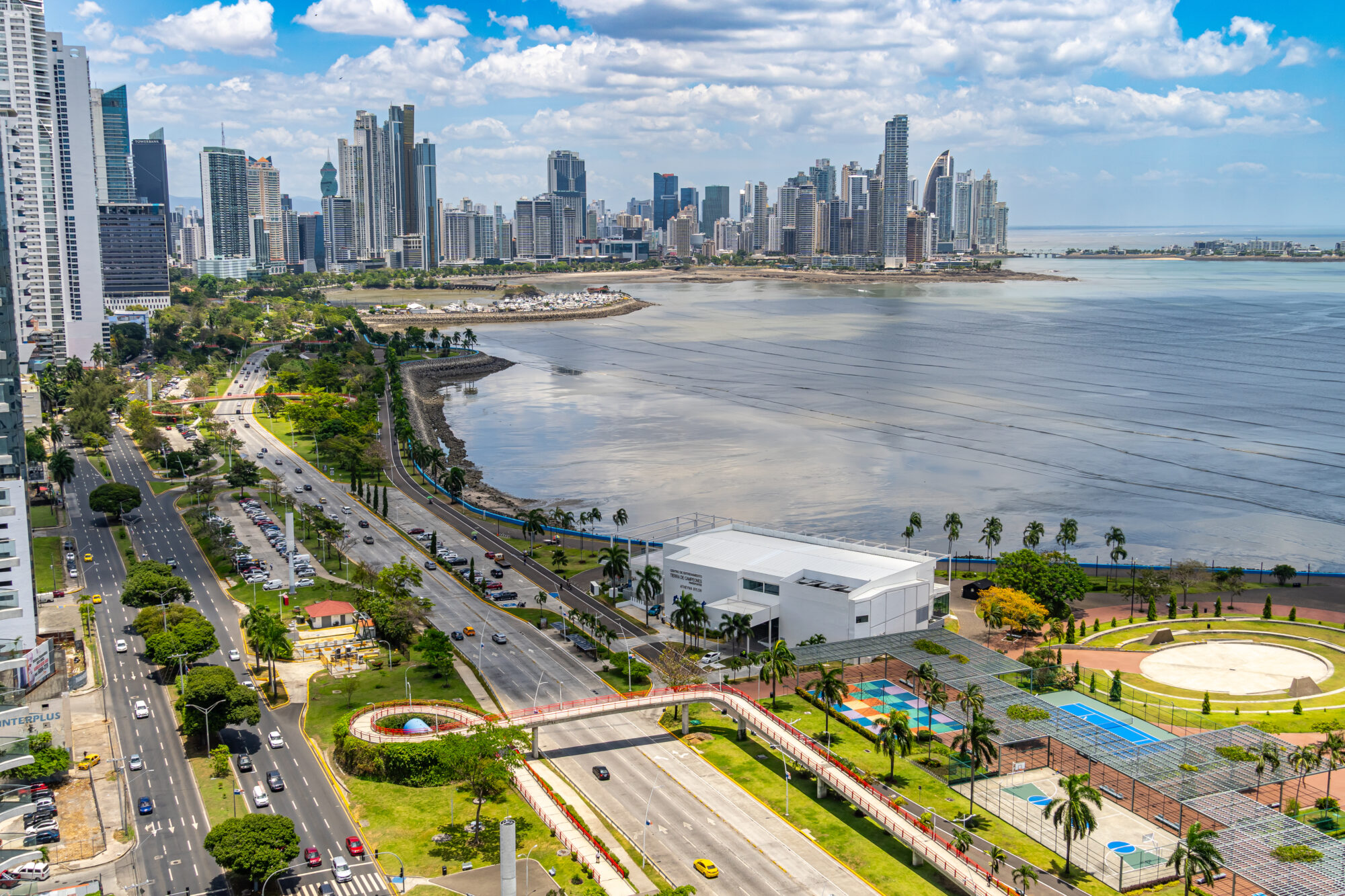
Two coasts, one afternoon’s drive apart: inside the freedom that’s drawing high-net-worth buyers to Panama.
By Chris Caggiano
Ask Jeff Barton, Managing Director of Punta Pacifica Realty, what sets Panama apart after two decades of living there, and the word he reaches for isn’t tax advantage or ocean view. “The word that I use, which sometimes takes people off guard, is actually ‘freedom’,” he says. What he means is freedom from a certain kind of background vigilance – the accumulated small anxieties that structure daily life in the U.S. without most people noticing.
Some of that is structural. Panama’s low litigation rate keeps medical insurance premiums down, not because doctors earn less but because the malpractice exposure that drives up costs elsewhere barely exists. The absence of hurricanes means condo associations aren’t budgeting for the windstorm premiums that inflate HOA fees along the U.S. coastline. Neither fact, on its own, reads as lifestyle. Together, they describe a place where two of the largest hidden costs of American homeownership – legal risk and weather risk – simply don’t apply.
The rest is more personal, and Barton locates it in the small differences between the two countries. “In my twenty years here, I’ve never seen anyone actually pulled over in Panama City,” he says – then admits the flip side isn’t strict order so much as “a bit of organized chaos” that somehow still works. He describes a similarly relaxed social terrain: a genuinely multicultural city where residents of every background report an absence of the cultural tension that colors so much of American public life. For the buyers Barton works with, that ease shows up in monthly insurance bills, in the texture of daily errands, in the fact that owning property here means opting out of several categories of stress rather than trading one set of problems for another.
That sense of ease is inseparable from Panama’s geography. The country is an isthmus barely 30 to 35 miles wide at its narrowest point, which means a resident of Panama City can drive from the Pacific coast to the Caribbean and back in a single day. Barton’s clients build their lives around that compression: a mountain home an hour and a half away, a beach property across the isthmus, an island escape a short flight or boat ride out. The city itself does not demand the kind of hour-and-a-half commute familiar to buyers from Manhattan or South Florida. Even at peak traffic, Barton says, thirty minutes covers most cross-city trips.
Two Neighborhoods, Two Temperaments
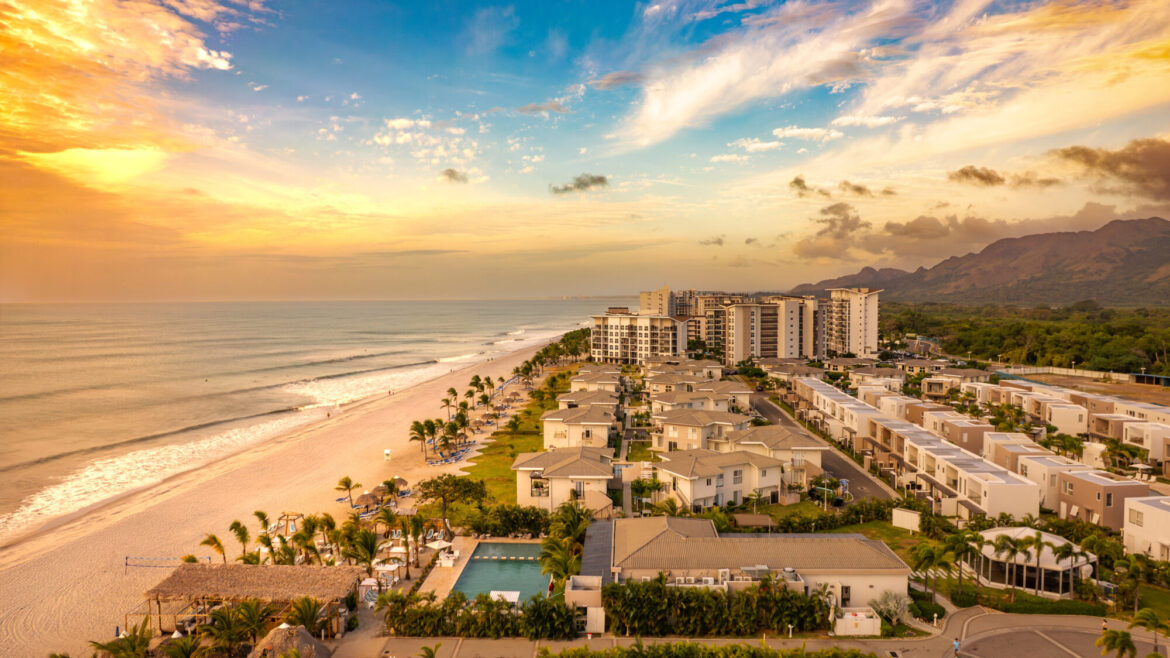
Nowhere is that geographic range clearer than in the two neighborhoods Barton identifies as Panama’s ultra-luxury core, Ocean Reef Islands and Santa Maria, which sit roughly twenty minutes apart yet cater to distinctly different sensibilities.
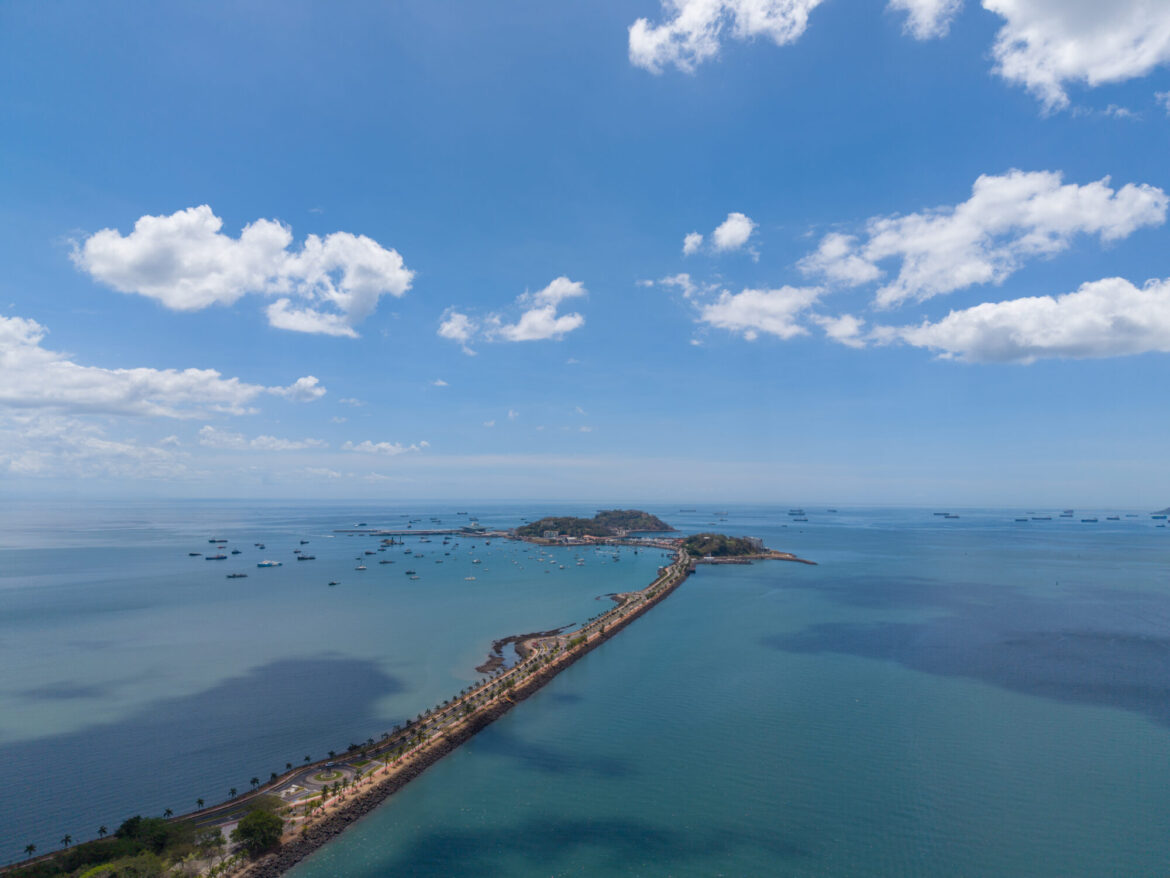
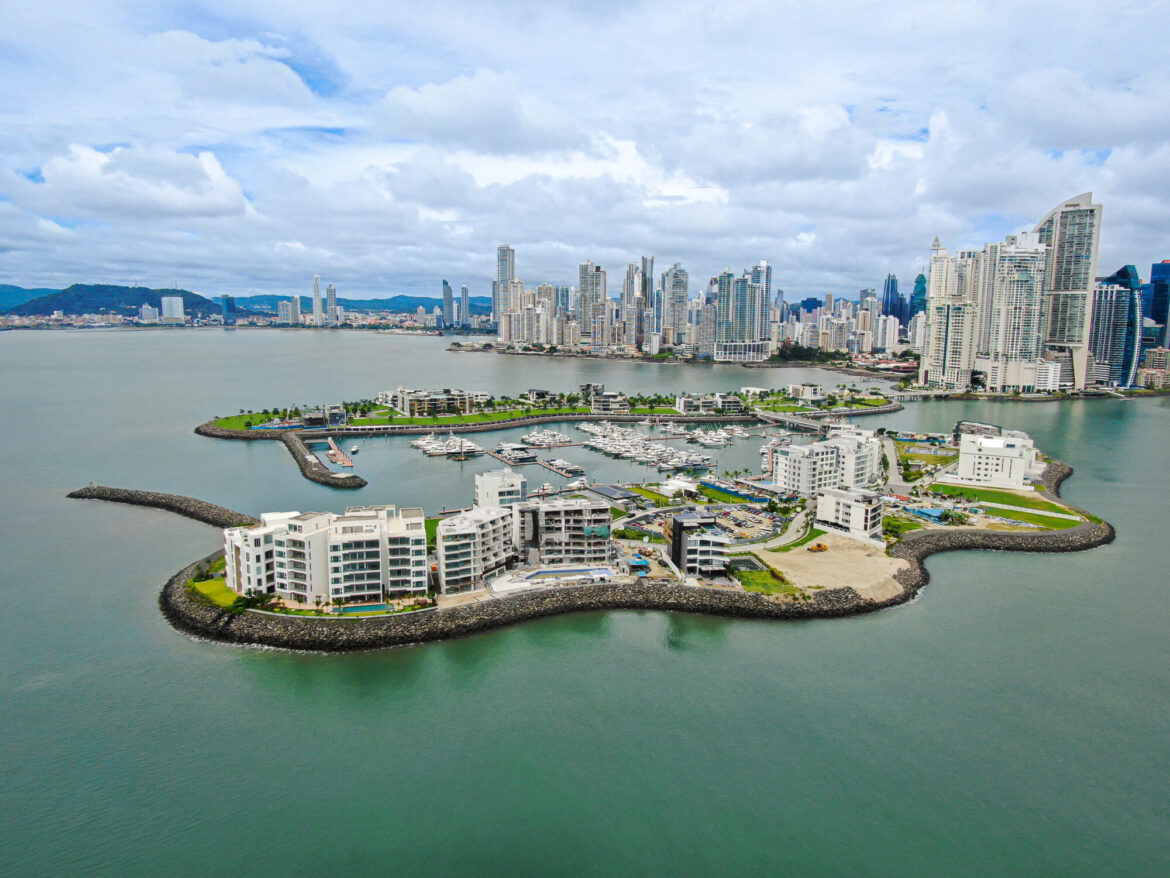
Ocean Reef Islands consists of two man-made islands connected directly into the heart of Panama City, built around a marina with roughly 170 slips. Low-density buildings of two to six stories share the islands with private homes, and pricing reflects genuine scarcity: homes here run $10 million to $15 million, a figure Barton notes is exceptional even by the standards of Latin America’s broader luxury market. The islands connect into Punta Pacifica, another high-end district, and residents can be on a boat within minutes of leaving home. From there, the Pearl Islands – an archipelago roughly 30 nautical miles offshore – become a weekend fixture, with owners docking at island resorts or staying aboard their own boats.
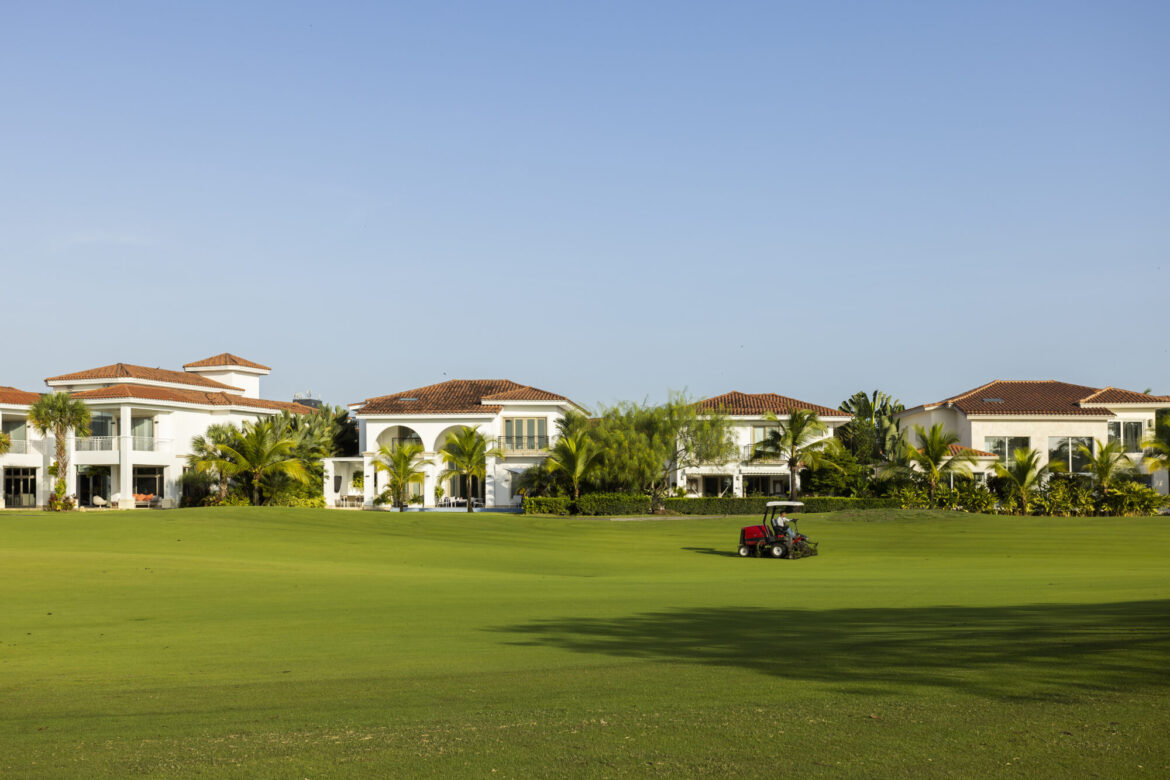
Santa Maria offers a slightly more inland experience. A gated community built around an 18-hole Jack Nicklaus golf course, it draws buyers oriented toward greenery and outdoor sport rather than water. The development includes both a golf club, open only to Santa Maria property owners, and a separate country club with a membership base of roughly 3,000 that Barton describes as considerably more international in composition. Within the larger gated footprint, smaller enclaves of mansions push toward the same ultra-luxury tier as Ocean Reef, and Barton expects the area to keep expanding for at least another decade.
Beyond these two, high-rise luxury living extends through Punta Pacifica, the oceanfront Costa del Este corridor, and buildings like a Fendi-branded tower known for its service level, part of a broader landscape of high-end product that gives the ultra-luxury core its surrounding depth.
Leaving the City
The pattern Barton describes among longtime, generationally wealthy Panamanian families is a deliberate rhythm of leaving the city each weekend for large family compounds on the beach, often several homes clustered together, where golf, ATV excursions along the shore, and pool-centered gatherings fill the days. Live-in domestic staff make that lifestyle logistically simple: housekeepers, nannies, and chauffeurs typically cost under $1,000 per month including room and board (Panama’s median monthly income is $650), a figure that changes the calculus of maintaining multiple properties in a way it would not in Connecticut, say, or South Florida.
A second population moves through Panama on a different clock. More than 140 multinational companies maintain regional headquarters there, drawn by a tax incentive program that rewards companies for basing operations in the country, and the executives who staff those offices – working for companies like Procter & Gamble, LG, Sony, and Caterpillar – typically rotate through on two-to-five-year assignments. They tend to rent rather than buy, but they adopt the same weekend patterns as permanent residents, and they benefit from Tocumen International Airport’s status as the region’s most connected hub, with direct routes reaching the Caribbean, South America, Europe, and North America.
Old Money, New Arrivals
Panama’s wealth is not a single, undifferentiated class, and its social institutions reflect that. The Union Club remains a traditional, exclusively Panamanian institution – Barton, despite two decades in the country, can only enter as a guest of Panamanian friends. Santa Maria’s club structure functions as the more porous alternative: its golf club draws a mix of Panamanian and foreign property owners, while its country club, with its larger and more international membership, functions as a genuine meeting point between established Panamanian families and newer arrivals.
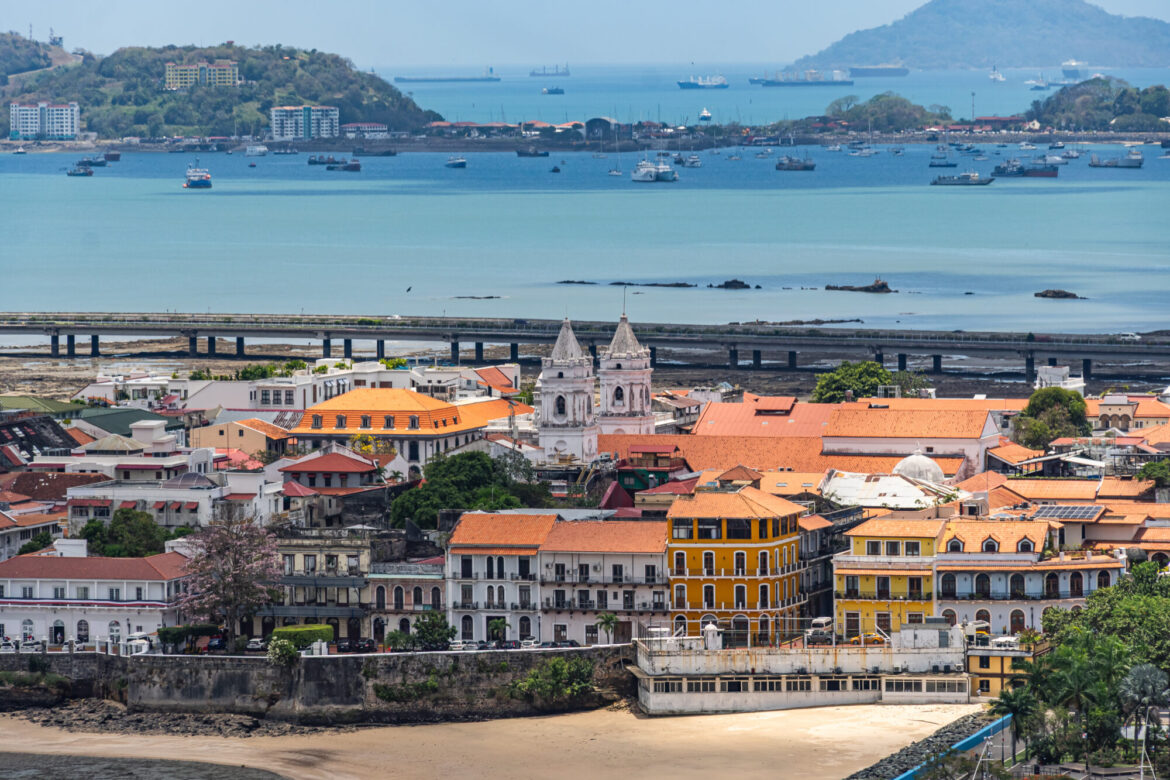
Casco Viejo, the city’s restored colonial quarter, has become the connective tissue for Panama’s broader social scene. Neglected for decades, the UNESCO World Heritage district has undergone a revival over roughly the past ten years, with reconstruction held to original architectural specifications. It now holds an estimated 50 restaurants, rooftop bars, and a run of new luxury hotels: a Sofitel Legend overlooking the water, and La Compañía, a restored convent operating under the Hyatt Unbound Collection.
Tourism to Panama rose 17.6 percent year over year as of the second quarter of 2026, a surge Barton attributes to the country’s decision to finally cultivate tourism alongside its traditionally dominant sectors – the Panama Canal, an outsized banking industry, and the world’s second-largest free trade zone after Hong Kong. The dining and nightlife upgrade in Casco Viejo, in other words, is a downstream effect of that broader shift, not an isolated trend.
Two Coasts to Escape to
The isthmus geography that shapes the workweek shapes the escape routes too, and Panama’s two coasts have developed on different timelines. The Pacific side, where Panama City sits, has been developed since the 1980s and remains the default for both residents and longtime foreign owners.
Playa Caracol, roughly an hour’s drive from the city, represents the newest chapter there: a developer has assembled five kilometers of beachfront into what Barton describes as a full beach town, including a Radisson that opened two years ago, with a Margaritaville resort and residences under construction ahead of a planned 2028 opening. The beach itself suits beginner and intermediate surfers, with a mountain backdrop that Barton compares to the atmosphere of Tulum.
The Caribbean side, by contrast, is still in its early growth phase. Playa Escondida has emerged over the past several years as its leading development, with condominiums, private homes, and beach clubs built along the coast. Because the country is narrow enough to cross in a single day, buyers are not choosing one coast over the other so much as adding an escape to a life already organized around leaving the city on Thursday or Friday.
The Value Underneath
For buyers arriving from Miami or London, Barton says the sense of value can be genuinely disorienting. He describes clients walking into a 5,000-square-foot condominium with a private pool overlooking the marina, priced near $3 million, and reacting on the spot: “Wow, this is eighteen million where I’m from.”
That gap persists past the purchase price. Maintenance fees in Panama run at roughly 20 to 30 percent of comparable properties in Miami, property tax sits near half a percent, and insurance costs stay low for the same structural reasons that shape the rest of daily life there. The same arithmetic extends to the household staffing costs discussed earlier – housekeepers, nannies, chauffeurs – which run a fraction of comparable staffing costs in South Florida or the Northeast.
Add it up, and the monthly cost of maintaining a large home, a boat, and a full household staff in Panama can land well below the carrying costs of a single comparable property in Miami alone. Prices are rising as more ultra-high-net-worth buyers discover the market – Barton has fielded inquiries from two billionaires in the past year alone, though inventory at that level remains scarce – but for now, the value is holding.
The same conditions that let a buyer own a marina-front condo, a mountain retreat, and a beach compound without the carrying costs of any one of them in Miami or Manhattan are, in Barton’s telling, the same conditions that produce the lighter, less vigilant way of living he calls freedom. In Panama, affordability isn’t a separate selling point from the lifestyle – it’s the mechanism that makes the lifestyle possible.
About the Expert: Jeff Barton is Managing Director of Punta Pacifica Realty in Panama City, Panama, where he has lived and worked since 2007.
This article is intended for informational purposes only and does not constitute legal, financial, or investment advice. The views and opinions expressed herein reflect those of the individuals quoted and do not represent an endorsement of any company, product, or service mentioned. Readers should conduct their own due diligence and consult qualified professionals before making any investment decisions.